
Leave the leaves, skip the heavy pruning and let nature do some of the work this fall
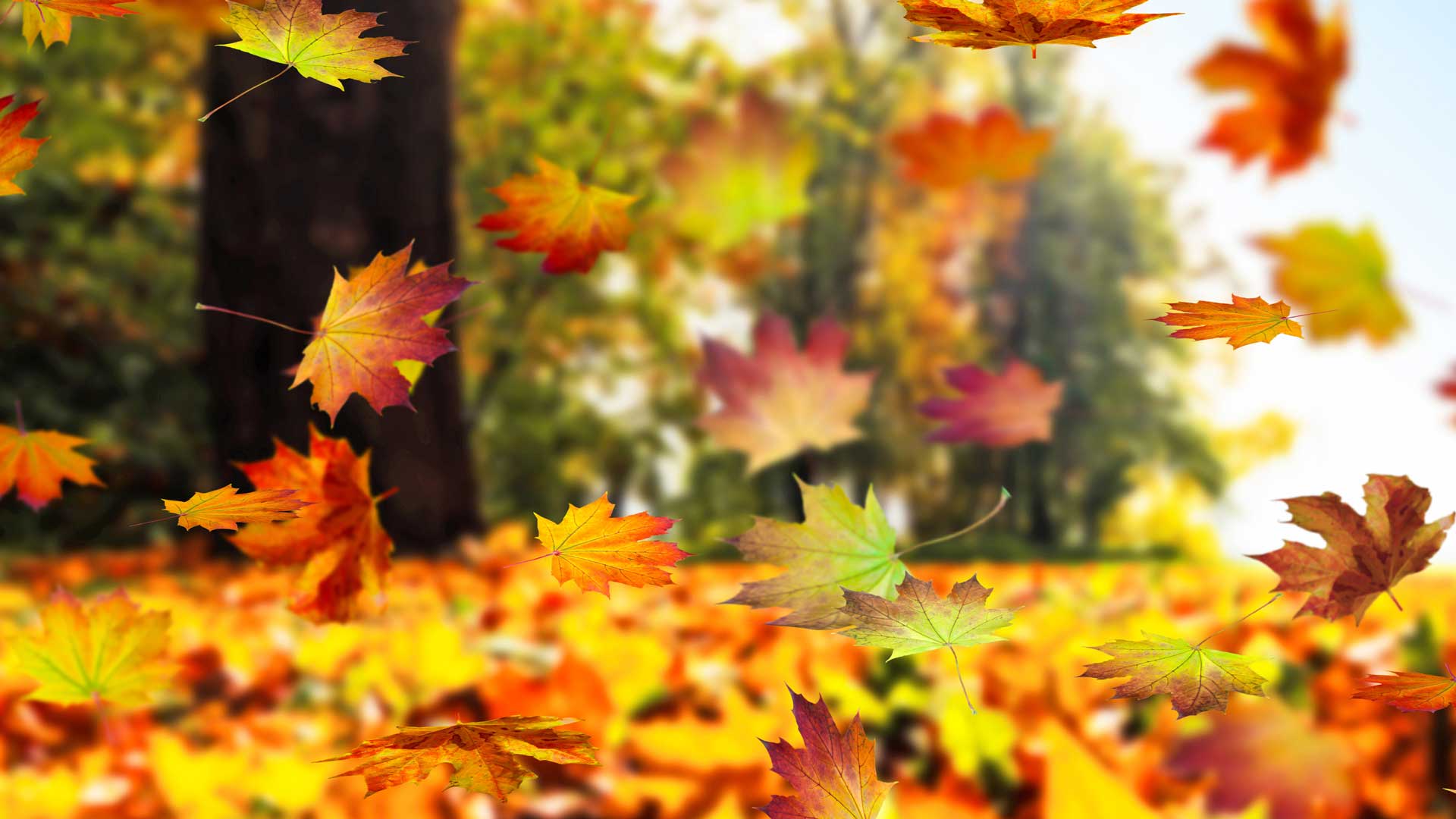
When it comes to our gardens, many of us want to get in there and do something — to weed, to prune, to mulch. The impulse is especially strong in the fall, when bright summer blooms give way to unsightly brown stalks and dropped leaves clutter up our once-tidy flower beds. But for optimal plant health, you may want to put away the rake and clippers until spring.
Some call it “lazy gardening.” Others prefer “wild” or “minimalist” gardening. Whatever you call it, the “leave the leaves” approach is a growing trend among the horticulturally minded, whose goal is to create a more self-sustaining, natural habitat, one that supports local pollinators and wildlife. Heavy weeding is therefore discouraged, along with constant pruning and aggressive cleaning.
“It’s something we encourage,” says Priya Beckmann, a nursery specialist at Faddegon’s Nursery in Latham. “Some may feel it’s messy, but leaving fall debris in your gardens not only enriches the soil and insulates roots, it also provides habitat for pollinators like native bees and other beneficial bugs.”
Best of all, it saves you from needless chores.
Still, according to the nonprofit Wild Ones, which has a chapter in Albany, not everyone is on board: “It may be habitual, a matter of social conditioning or a holdover of outdated gardening practices from yesteryear,” the group writes on its website, “but for whatever reason, we just can’t seem to help ourselves from wanting to tidy up the garden at the end of the season — raking, mowing and blowing away a bit of nature that is essential to the survival of moths, butterflies, snails, spiders and dozens of arthropods.”
Leaving things alone and letting nature take its course seems to be a hard pill for many gardeners to swallow.
Too much tidying up, however, can be a problem. A big mistake many novice gardeners make, according to Beckmann, is over-pruning — namely cutting back spring-blooming bushes in the fall. “Buds on your spring-blooming shrubs, like forsythia, big leaf hydrangea and weigelia, are developing in the summer. So, if you prune in the fall, you’re removing all your blooms.”
Beckmann says the best time to prune spring-blooming bushes is right after the flowers fade in the spring. “This is true for all spring-blooming shrubs,” she says. “For instance, with big leaf hydrangea, the buds grow on the woody stalks, so cutting them back will prevent flowering.” Azaleas are another shrub you’ll want to leave alone in the fall, Beckmann says. Roses, on the other hand, can benefit from fall pruning. “You can actually prune one third of your rose bushes, which will encourage new growth,” Beckmann says.
A big benefit of leaving plants standing in the fall — one that’s often overlooked — is that many flowering plants provide a food source for overwintering birds. The sturdy seed heads of black-eyed Susans, poking their heads above a light snow, and the dried centers of late-season asters offer a satisfying meal for songbirds, while the fluffy seed clusters of goldenrods are adored by juncos, sparrows and finches.
“The big seed heads of purple coneflower are another good food source for winter birds,” Beckmann says. “It’s also a pretty sight, seeing birds perched on your flowers on a cold winter day. It just enlivens the landscape.”
“Earth stood hard as iron, water like a stone,” writes Christina Rossetti in her celebrated poem “In the Bleak Midwinter.” To be sure, the colder months can be a depressing time for gardeners. But your fall flowerbeds need not be a barren wasteland after the leaves fall. Increasingly, horticulturalists are arranging their garden spaces with fall and winter in mind, selecting some plants with bright berries, colorful bark and persistent seed heads that survive the cold. This helps keep outdoor spaces lively even after the warm growing season ends.
One dazzling winter plant is red twig dogwood, which shows bright red or yellow branches against the snow. Another is witch hazel, which blooms with fragrant spidery yellow or orange flowers in late winter. Meanwhile, the foliage of oakleaf hydrangea shifts to a rich maroon and burgundy, while the striking beautyberry produces clusters of vivid purple berries.
Other fall staples are “Autumn Joy” sedum, with its pink broccoli-like flower heads that darken to a rich, rusty copper and bronze; and chrysanthemums, which burst into deep reds, bright yellows and oranges just as summer annuals fade.
Also, the daisy-like starbursts of purple, pink and white asters thrive well into cooler autumn months, adding lovely accents to the dull brown landscape. Finally, there are evergreens, which offer a rich blue-green or greenish-black backdrop when everything else is cold and alone.
We almost forgot ornamental grasses, which many are tempted to cut back in the fall. Again, Beckmann urges restraint. “I like to keep my ornamental grasses,” she says. “You can cut them, it won’t harm them, but they provide a striking silhouette against the snow, especially when stirred by the wind. I think grasses provide a lot of winter interest.”
What to Prune and When
Spring-flowering Plants
Lilacs, forsythia, rhododendrons, azaleas, spring-blooming spirea, early flowering viburnum
When: Right after flowers fade in spring.
Summer-flowering Plants
Butterfly bushes, panicle hydrangeas, crape myrtle, potentilla
When: Late winter, or early spring before new growth starts.
Old Wood Hydrangeas
Bigleaf, mophead, lacecap and oakleaf hydrangea
When: Soon after summer blooms fade. (Avoid winter or early spring pruning because they set their flower buds a year in advance.)