
Autumn is in the air. Many of the perennials have dropped their last bloom, and leaves have started to gently flutter to the ground. But don’t hang up your hoes and gardening gloves just yet! Fall gardening lets you take care of tasks to give you a head start next spring.
Assess
Before you do anything else, step back and evaluate how your garden fared this summer.
- Do certain plants need to be moved to better spots for different water and light considerations?
- Were you satisfied with how your gardens looked as the season progressed, or do you need more plants with different blooming periods?
- Are there pests or diseases that you want to get ahead of before next year?
- What worked, and what didn’t?
Answering these questions and noting any possible solutions will be helpful come spring, when you’re starting to plan what needs to get done.
Pull
Early fall is the time to replace annuals, particularly the ones in pots. (You’ll want to put away any ceramic pots before the first frost to prevent cracking.) If things are looking too bare, you can replace them with winter-hardy plants like ornamental kale, which can be showstoppers when everything else is barren.
If your annuals are still going strong, consider propagating them! Many annual blooms can be propagated from cuttings and brought indoors for the winter. This is a win-win: You get gorgeous indoor blooms to cheer you up throughout the dead of winter, and you’re reducing the cost of annual flowers for next spring.
It’s also a good idea to remove any diseased plants you might have noticed. Dispose of them with yard waste, not compost, in order to prevent any transmissible diseases from spreading.
Plant
Fall is for planting! The conditions for growing strong, healthy roots are perfect: The soil is still warm, and the relatively cool air temperatures encourage plants to focus their energy underground. Deciduous trees and shrubs, in particular, make the most of fall planting — and as a bonus, they’re usually on sale this time of year. Any perennials you might want to divide or move will also benefit from getting this done in the early fall. Ideally, you will want to give any new or divided plants about six weeks to establish themselves before the ground freezes, so don’t wait too long.
Now is also the time to plant spring-flowering bulbs like tulips, daffodils and crocuses. (This is actually one of my favorite things to do, because it’s the pinnacle of delayed gratification. Bulbs are super easy to plant — the hole only needs to be a few inches deep — and in the spring they’re the first plants to emerge, with their cheerful little blooms. And, if you’re anything like me, you’ll have almost forgotten that you planted them, making those blooms a fun surprise!)
Just a word of caution: Certain types of plants don’t appreciate getting planted this time of year. For example, because they keep their foliage all winter, evergreens are more susceptible to drying out when the soil is frozen and the winds are blowing. So save planting any broadleaf evergreens such as hollies, rhododendrons and boxwoods for next spring. The same goes for any plants that might be just outside your hardiness zone, as they’ll have a better chance if they have a whole growing season to establish themselves.
Cut Back Perennials
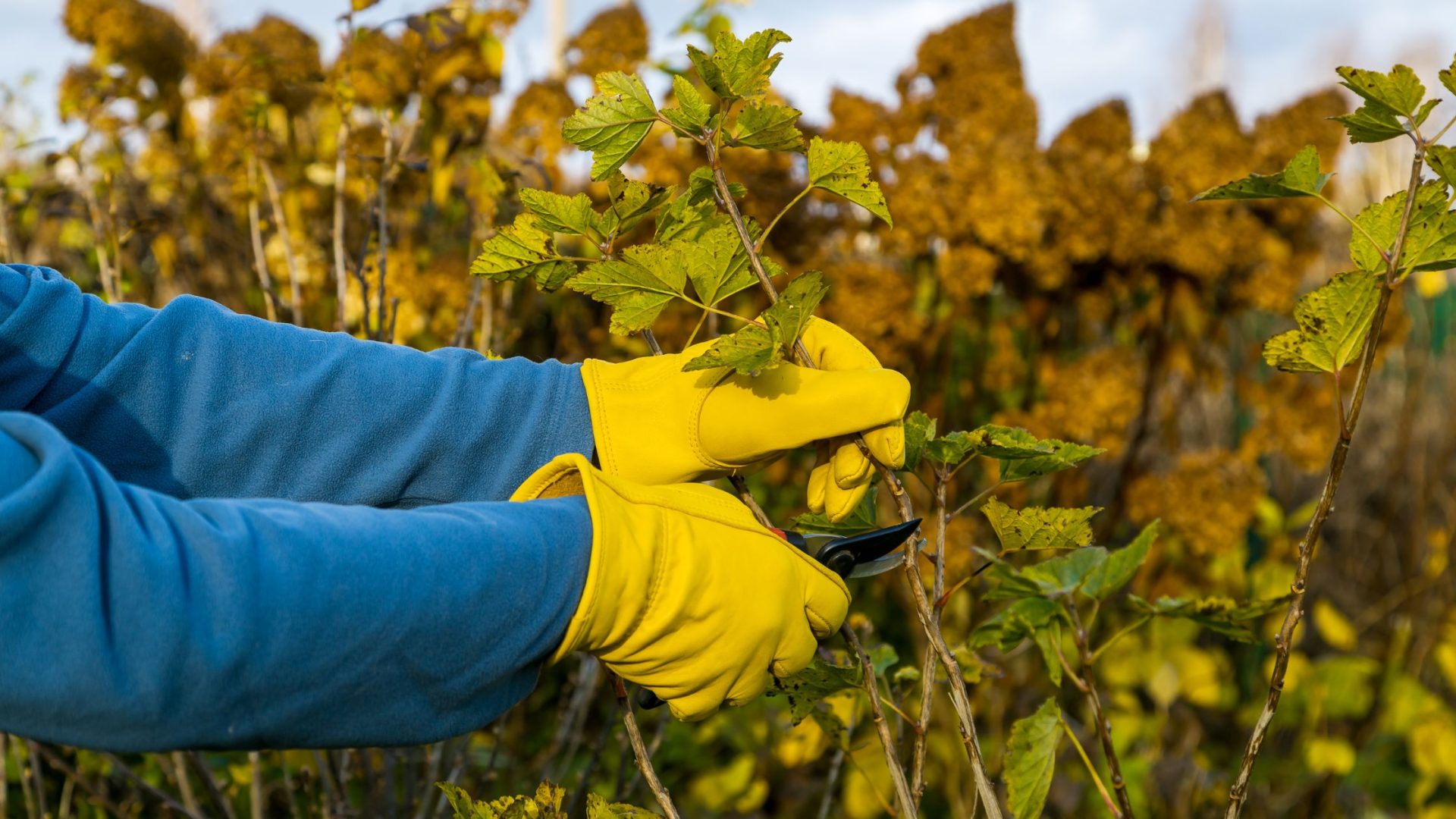
Although you may be tempted to raze your garden to the ground after the first frost hits, it’s actually better that you don’t. Leaving the leaves, stems, dried flowers and seed heads of many perennials provides an extra layer of protection for the crown and root system of the plant. Waiting to remove the dead plant material until spring will also help provide food and shelter for native pollinators, beneficial insects and other wildlife.
That said, you should remove any dead perennial plant material that shows signs of disease or insect pest issues. This is particularly important for plants like hostas that have received slug damage during the growing season. Slugs lay their eggs in the dormant foliage, so removing them in the fall will cut down on slug issues the following year.
Water
Just because the sun doesn’t pack quite the same punch now as it did in August doesn’t mean you should stop watering altogether. As we pointed out above, plants are doing their best root-growing this time of year, so keep watering until the ground starts to freeze. (Also, don’t be stingy: Shallow watering habits grow shallow root systems.)
Preserve
Once the nights start dropping below 50℉ it’s a good idea to bring any houseplants that were outside back indoors. (And, if you don’t want pests hitching a ride, it’s a great idea to first treat your houseplants with a systemic insecticide — or at least a good soapy bath.)
Prepare
Once you’ve completed all of these tasks, it’s probably no longer “early fall.” When the weather starts getting chilly, it’s time to put your garden to bed for the winter.
Top image source: Olga Seifutdinova from Getty Images, via Canva.com.