

Spa days aren’t just for expensive resorts anymore. Today’s most popular self-care products promise everything from brighter skin and sore-muscle relief to better sleep — all without leaving home. Last year, we rounded up some of the internet’s favorite at-home spa products. This year, we’ve updated our list with some of the latest wellness trends, recommendations and new favorites.
The biggest change since 2025 is that home spas have continued to shift away from “more products” and toward wellness technology and even more simplified skincare.
According to the 2026 National Kitchen & Bath Association trends, bathrooms are increasingly being designed as personal wellness retreats with homeowners investing in spaces that support relaxation, self-care and daily rituals.
For self-care, experts are encouraging consumers to spend money on a few evidence-based products rather than drawers full of masks, serums and gadgets.
Dermatologists are promoting simpler habits that they say are often far better than complicated 12-step skincare routines. Skin longevity, rather than quick fixes, is now the major beauty philosophy. Sunscreen, retinoids, peptides and maintaining the skin barrier are emphasized over trendy “anti-aging” ingredients.
What’s hot now?
“Skinimalism”
One of the biggest beauty trends of the last year or so is “skinimalism,” a return to simpler products and routines. Social media (especially TikTok, Instagram and YouTube) is introducing younger generations to time-tested products, while older adults are rediscovering their past favorites.
- Cold Cream may have been your grandma’s go-to makeup remover but it’s still getting rave reviews.
- Epsom Salt Baths are being revived by social media wellness influencers as an inexpensive “spa night” ritual for relaxation, muscle soreness and winding down before bed.
- Petroleum Jelly has made a comeback in a trend known as “slugging:” Apply a thin layer of it over moisturizer to help seal in hydration.
- Oatmeal Baths aren’t new when it comes to relieving dry, itchy skin. But they’re gaining new fans today as people seek out simpler solutions to minor skin irritations.
- Ice Facials exploded on TikTok as users sought quick ways to temporarily reduce puffiness and create a refreshed appearance.
Heated towels and spa textiles
Warm towels, oversized waffle-weave robes and linen spa wraps are replacing weighted robes as part of the “hotel spa at home” trend. The LiveFine Large Bucket Towel Warmer has emerged as a favorite among editors, earning “Best Overall” honors from NBC Select for its large capacity. For those looking to splurge, the Zadro Luxury Spa Towel Warmer has received high marks from PEOPLE for its even heating and built-in aromatherapy diffuser, while Forbes praised the wall-mounted Rejuvenation Traditional Towel Warmer for bringing hotel-style luxury home.
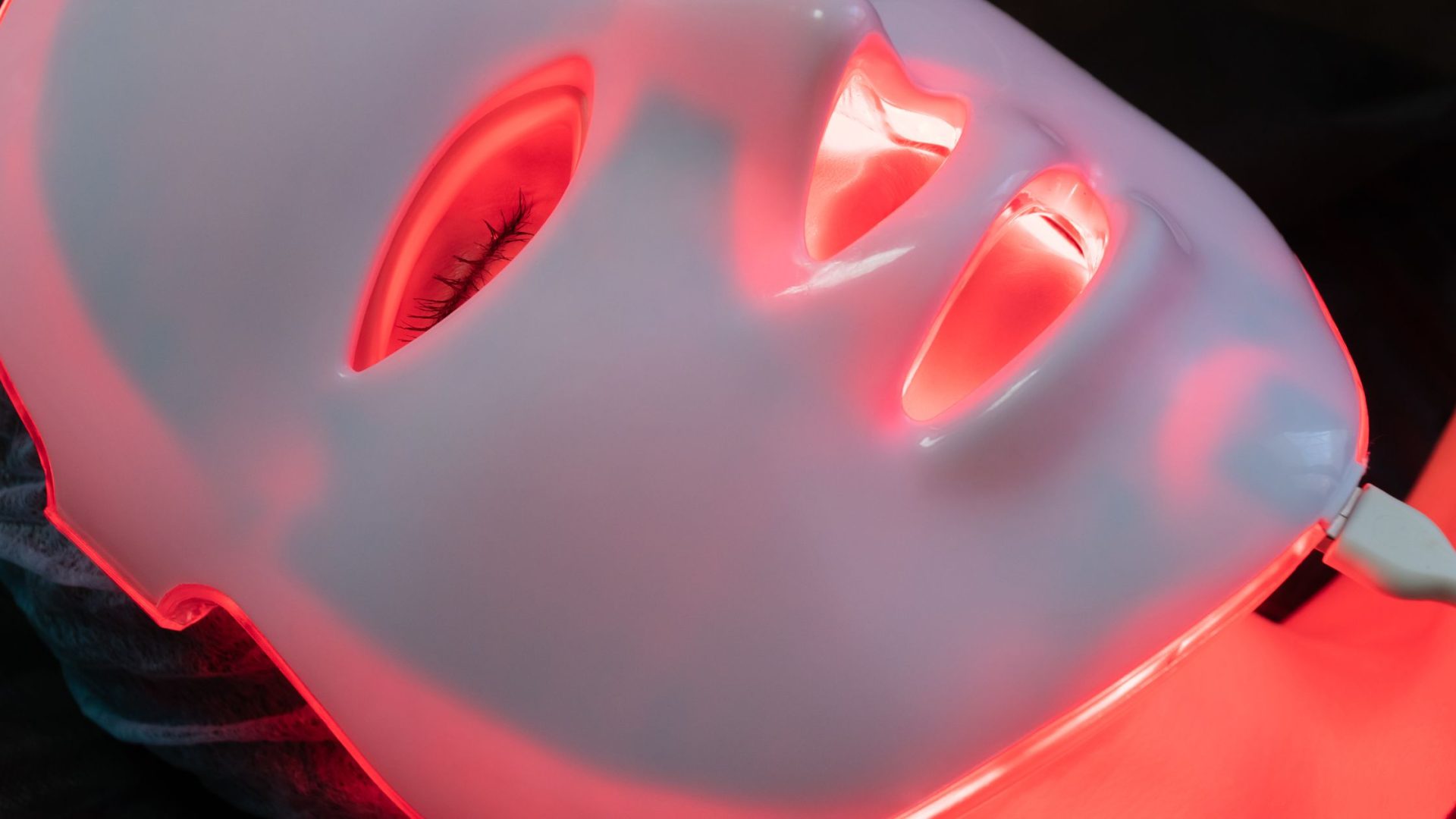
LED Face Masks
The newest FDA-cleared LED masks use red and near-infrared light to help stimulate collagen and reduce inflammation. A 2025 clinical trial found that these at-home devices helped improve the appearance of crow’s feet after several weeks of use, and found they showed promise as a gentle anti-aging tool.
CurrentBody Skin LED Light Therapy Mask Series 2, was praised by The Guardian as “the best I’ve tested.” Omnilux Contour Face LED Mask is a favorite among skincare experts, and Dr. Dennis Gross DRx SpectraLite FaceWare Pro, a dermatologist-developed device was praised by Cosmopolitan editors for its quick three-minute treatment time and red/blue light technology, which can be used to treat wrinkles and acne. Look for “FDA cleared” on the packaging or marketing material.
Red Light Therapy Panels
Similar to the LED face masks, these panels are backed by promising research suggesting that red and near-infrared wavelengths may help support collagen production, reduce inflammation and improve muscle recovery. Studies have shown positive results but more large-scale studies are needed to determine exactly who benefits most and what treatment schedules work best.
Prices can range from a few hundred dollars to more than $1,000. See comparisons from InfraredTested’s Best Red Light Therapy Panels 2026 review and Red Light Finder’s Joovv vs. Mito vs. PlatinumLED. For a more budget-friendly option, Hooga panels frequently appear on “best value” lists, while Joovv remains one of the best-known premium brands thanks to its design and app-based features.
Filtered Showerheads
Filtered showerheads have become a popular bathroom upgrade, promising softer hair, less hair loss, smoother skin and a more luxurious shower experience. The science is still developing and research is limited on whether a shower filter alone can improve skin and hair. The biggest potential benefit, especially for people with poor water quality or sensitive skin, is the reduction of chlorine and other impurities. The upgrade is simple and fairly inexpensive (DIY and roughly $75-$200) and evidence suggests that some of these filters do reduce the chemicals in tap water. Wired has done extensive reviews and landed on the Weddell Duo filter as its top pick. Jolie and Canopy have also received great reviews from beauty influencers based on user experience. Be aware you’ll have to replace the showerhead filters every three to six months. Look for shower filters that have been independently tested or NSF-certified, rather than just advertised as “high-performance” or “dermatologist recommended.”
New Scent Trends
The latest fragrance trend is shifting from overpowering synthetic scents to more subtle, wellness-focused aromas. Instead of heavy plug-ins and artificial air fresheners, many consumers are turning to essential oil diffusers, “clean” candles, natural room sprays and spa- or hotel-inspired scents such as eucalyptus, lavender, sandalwood and bergamot. The change comes partly from growing awareness that some fragranced products can release volatile organic compounds (VOCs) and other chemicals that may irritate the eyes and lungs, trigger headaches or worsen symptoms for people with asthma or fragrance sensitivities. Pets can also be more sensitive to certain concentrated essential oils, particularly when oils are diffused heavily or applied directly. Look for brands that label their ingredients clearly, avoid phthalates, offer lighter scents and provide clear guidance on how to use their products. Try natural alternatives like:
- Fresh eucalyptus bundles hung in the shower
- Dried lavender bouquets
- Simmer pots (orange peel, cinnamon, herbs, teas)
- Cedar blocks or sachets in closets and drawers
- Windowsill herb garden (basil, lavender, peppermint, lemon balm)
- Beeswax candles, soy or coconut wax candles
*Featured image courtesy of: