

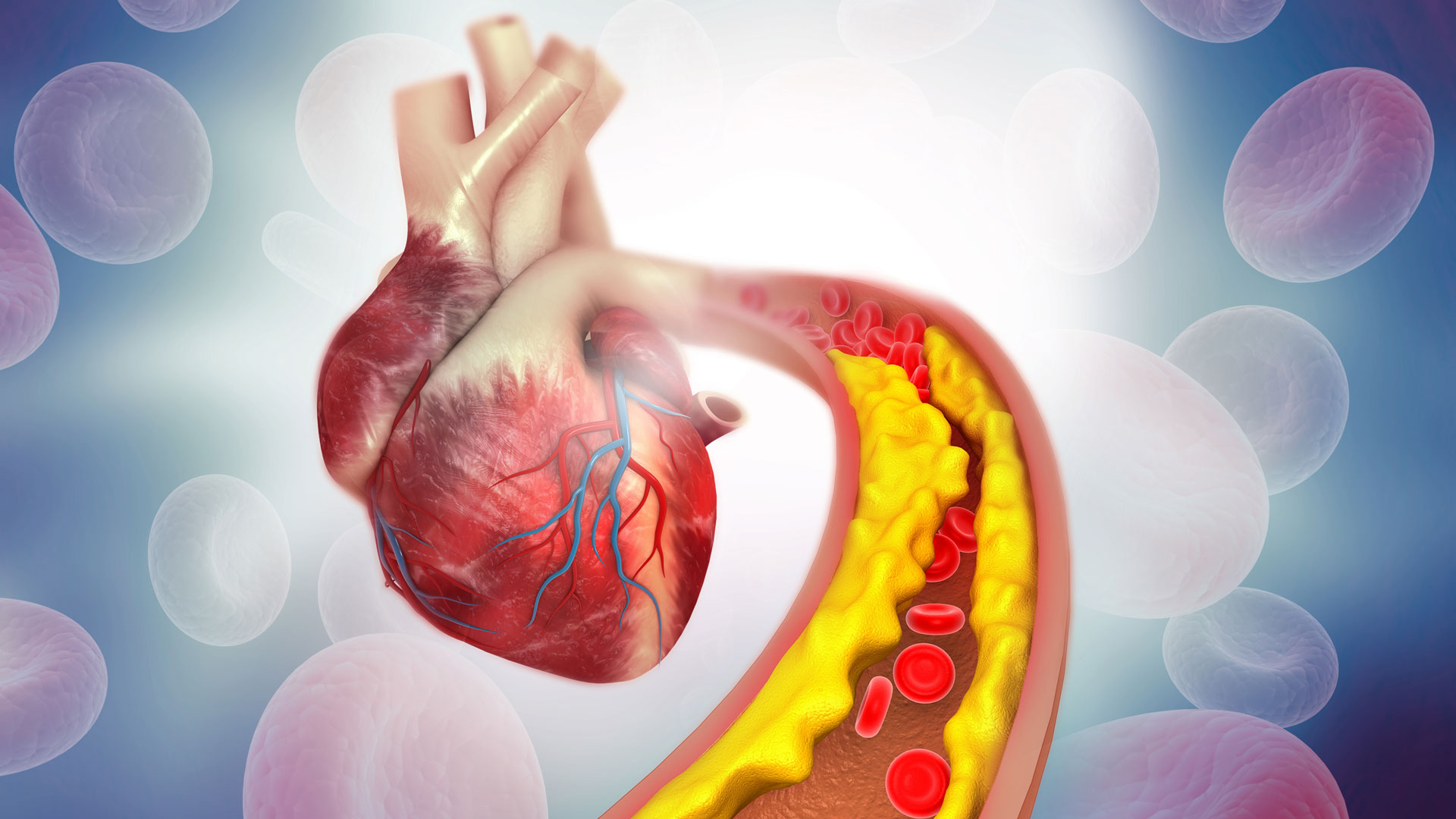
Earlier cholesterol testing and new tools can help identify heart health risk before warning signs appear
Heart disease can develop quietly for years, without chest pain, shortness of breath or other obvious warning signs. That’s why knowing your risk — and taking steps to reduce it — before a heart attack or stroke occurs is so important.
New guidelines released this year call for earlier cholesterol screening and more personalized approaches to identifying and treating cardiovascular risk.
Heart disease can lead to heart attacks, strokes, heart failure, disability and premature death. The goal of the updated recommendations is to identify risk earlier and treat it before serious damage occurs.
“By aggressively addressing risk factors earlier and managing lipid levels, we can prevent heart attacks, sudden deaths and bypass surgeries,” says Lance E. Sullenberger, a cardiologist with Capital Cardiology Associates, which has offices throughout the Capital Region.
The 2026 guidelines from the American College of Cardiology, the American Heart Association and nine other leading medical organizations place emphasis on cholesterol and other factors that contribute to plaque buildup in the arteries.
“High cholesterol can begin to impact heart disease risk even in childhood and adolescence due to inherited conditions or lifestyle habits,” the guidelines state. They recommend cholesterol screening for children ages 9 to 11 who have not previously been screened.
Childhood screening may seem early, but Sullenberger says there is good reason to take cholesterol seriously at any age.
“Just like we don’t ignore high blood pressure or diabetes in younger patients, there’s no reason to ignore high cholesterol levels,” he says. Cholesterol, he explains, is the essential driver of plaque formation and atherosclerosis.
The earlier, the better

Sullenberger says many cardiologists were already moving toward more aggressive cholesterol treatment before the new guidelines were released, based on clinical trial evidence and evolving recommendations in Canada and Europe.
The approach is straightforward: diet, exercise and, when appropriate, medication all work together to lower risk.
Reducing saturated fat can lower LDL, or “bad,” cholesterol by about 12% on average, Sullenberger says. Saturated fats are found in foods including red meat, butter, ice cream and other animal products.
“Looking at labels and getting an idea about what you’re putting in your body is always important,” he says.
Exercise can lower LDL by another 8% to 10%, while commonly prescribed statins such as rosuvastatin and atorvastatin can lower LDL by roughly 25% to 40%, depending on the medication and dose.
For people who need medication, statins remain the foundation of cholesterol treatment.
“Statins form the mainstay of lipid-lowering therapy in the United States and will continue to do so,” Sullenberger says. “We have over 40 years of experience with statins,” along with extensive clinical-trial evidence supporting their effectiveness.
But statins aren’t right for everyone, and sometimes one medication isn’t enough.
“Even if you’re getting a 40% reduction of your LDL cholesterol, you may still be above the target goal,” he says. In those cases, doctors can add another cholesterol-lowering medication.
The strategy is similar to treating high blood pressure, Sullenberger says, where two or three medications may sometimes be needed to reach a patient’s goal.
Important Tests
Knowing your cholesterol numbers is only part of the picture. Newer testing and imaging tools can help doctors get a better sense of an individual’s cardiovascular risk.
One of them is a coronary artery calcium (CAC) scan, a non-contrast CT scan that detects calcium-containing plaque in the arteries supplying the heart.
Sullenberger has been using calcium scoring since his days at Walter Reed Army Medical Center in the early 2000s. The test produces a calcium score that indicates whether calcified plaque is present and, if so, how much.
Unlike a traditional risk assessment, which considers factors such as blood pressure, cholesterol, diabetes, smoking and age, a calcium score provides a look at what is actually happening in the coronary arteries.
But a zero score doesn’t necessarily mean there is no plaque.
“A younger person may have non-calcified plaque because it takes time to calcify,” he says. “So they could have a calcium score that’s zero, but they still have plaque present.”
As people get older, however, a zero score can be more reassuring. For men over about 55 to 60 and women over about 60 to 65, he says, a zero calcium score generally indicates a lower likelihood of calcified plaque.
The opposite is also important: If calcified plaque is present, even in small amounts, “it is abnormal,” he says. That can be a reason to take a closer look at cholesterol levels and consider more aggressive treatment to keep plaque from progressing.
Sullenberger recommends that adults begin monitoring cholesterol early rather than waiting until middle age. The 2026 guidelines recommend lipid screening in adults starting at age 19 and continuing every five years.
There’s also another number worth knowing: lipoprotein(a), or Lp(a).
Lp(a) is a genetically determined type of LDL particle that can increase the risk of plaque formation. About 20% of the population has elevated levels, according to the American Heart Association.
Unlike cholesterol levels, which can change with diet, exercise and medications, Lp(a) remains relatively stable throughout life. The American Heart Association recommends that adults have their Lp(a) measured at least once.
For older adults, Sullenberger says a coronary calcium scan may provide another useful piece of the puzzle.
“I think certainly anybody over the age of 55, if they have not had a calcium score, should get a calcium score — or at least start with a calcium score as a way to measure their individual risk,” he says.