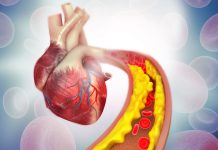

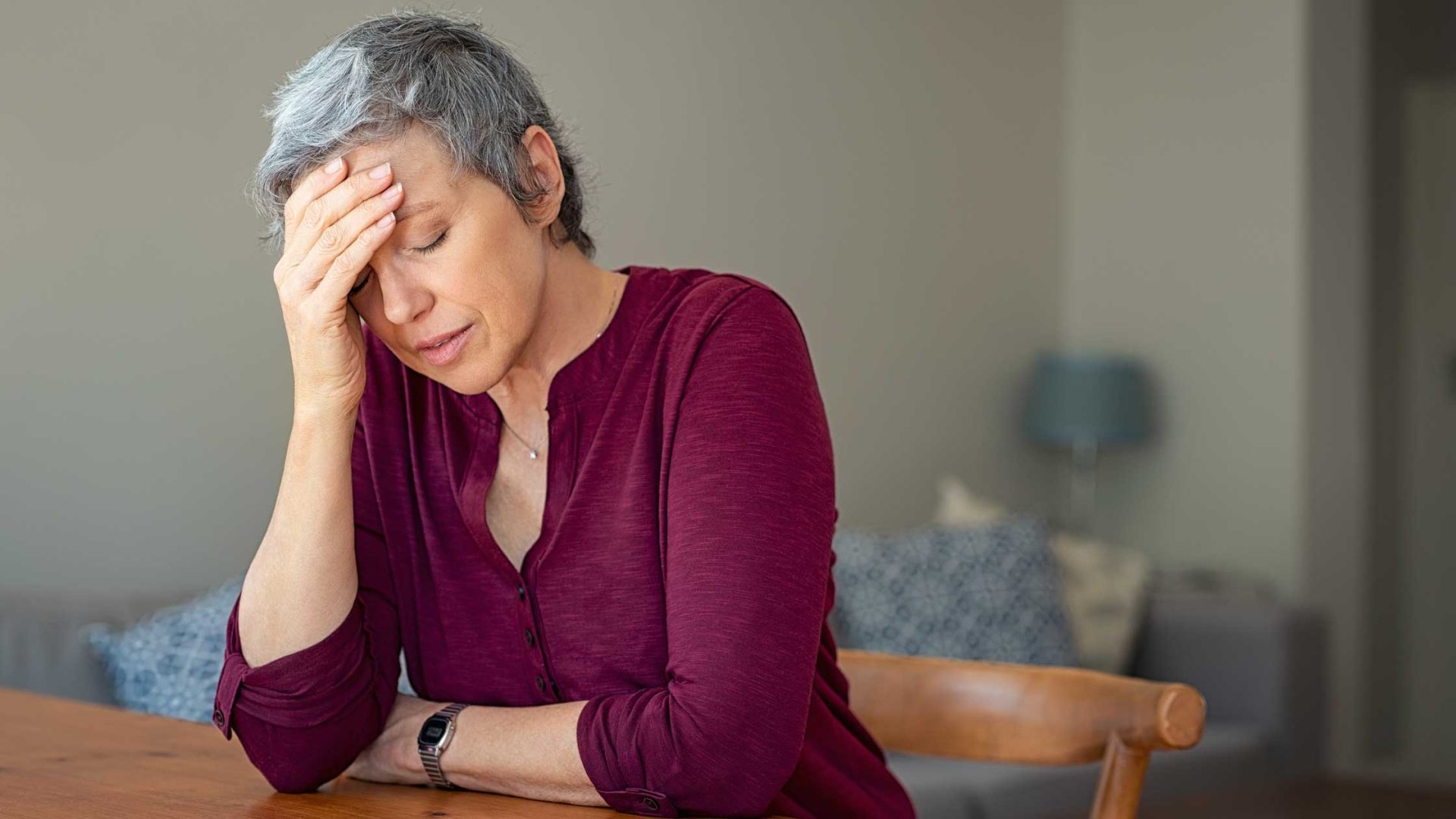
As we’ve reported before, loneliness is poised to be the next major epidemic, potentially impacting 20 million older adults. In 2024, a review of six years of data from the National Poll on Healthy Aging found that more than one third of people aged 50 to 80 feel lonely, and nearly as many feel isolated. The health impacts of loneliness can be astonishing: so far, researchers have found strong evidence linking social isolation with poor mental health, as well as increased risks of developing dementia and coronary heart disease, stroke, and premature mortality.
What sets this health threat apart from others is that often, solutions can be easier than expensive drugs or invasive medical procedures. One successful method, healthcare professionals have found, is social prescribing. The American Society on Aging (ASoA) describes social prescribing as “something many clinicians have probably done on an informal basis for decades without recognizing [they are doing it]”; it means connecting people to activities, groups, and support that improve their health and well-being. These often include a range of social services, the arts, nature, volunteerism, movement, companionship, and community-building.
In her book The Connection Cure: The Prescriptive Power of Movement, Nature, Art, Service, and Belonging, journalist Julia Hotz documents how doctors, nurses, therapists, and social workers have started offering “social prescriptions,” or referrals to community activities and resources, with profound results.
What is Social Prescribing?
Social prescribing is, according to Hotz, a way for health professionals to flip the script from “‘what’s the matter with you?’ to focusing on what matters to you.” The prescriptions include exercise, art, music, exposure to nature, and volunteering, which are known to have enormous benefits to physical and mental health.
For example, Hotz writes about Frank Frost, a long-distance truck driver in the UK, who at the age of 50 was obese and diagnosed with Type 2 diabetes. Doctors put him on insulin injections, and instructed him to “move more,” but their scolding left him feeling demoralized. He eventually met with a new doctor, Hotz relates, who asked Frost what mattered to him, and what he had enjoyed doing before adulthood (and a mostly sedentary lifestyle) led to his health issues. This new physician subsequently gave him a prescription for a 10-week cycling course for adults getting back into cycling. Frost attributes this prescription with helping him to lose 100 pounds, manage his diabetes without the use of insulin injections, and build lasting friendships with people after years in a solitary profession. “It’s changed my life,” Frost says in the book.
The simplicity of social prescribing doesn’t negate its effectiveness. As NPR recently pointed out in its article on the subject, “social connection lifts our mood and benefits health overall — and friends can hold people accountable when building new healthy habits.” Similarly, studies have shown that time in nature can reduce stress, exercise can improve mental and physical health, and art and music are well known for helping to relieve stress, alleviate pain, and improve cognitive functions.
Growing the Movement
According to Social Prescribing USA, a nonprofit organization advocating for this holistic healthcare approach, a growing number of providers in the United States (around 250 so far) are starting to formalize social prescriptions in their practices, joining the 32 countries around the world who are already doing so.
As the ASoA points out, one common denominator — a single-payer healthcare system — is a major advantage in other countries with successful social prescription programs. Despite our beleaguered, labyrinthian medical system, some programs are already finding success stateside: Massachusetts has a state-wide program that provides arts prescriptions through Art Pharmacy, and Project Connection pairs therapy clients with a “link worker” who can help them identify and engage in specific activities, groups, and relationships they might want to pursue.
How to Seek Help
Anyone interested in social prescribing can go to Social Prescribing USA’s map for a list of organizations and health systems that are formally participating in some capacity. If you don’t see something in your area, you can try asking your doctor for help, even if they aren’t familiar with the term. Dr. Ardeshir Hashmi, chief of geriatrics at the Center for Geriatric Medicine at the Cleveland Clinic, told NPR that you should try asking your doctor questions like, “Is there a community (or community organization) you can connect me with? This is what matters most to me in my life. I’ve lost that at some point over time. Are there other patients that you know of that you could connect me with?”
Failing that, Hotz recommends firing up the internet to look for community organizations already doing what you are seeking out. “There’s a ton of options to choose from, a lot of options at local libraries, local parks departments, a ton of groups trying to make social prescriptions free or low cost to people,” she told NPR.
And if you’re unsure what it is you’re looking for, Hotz suggests that you spend some time figuring out “what lights you up in the morning.” Ask yourself what you loved to do as a kid but haven’t had the chance to do since, or how you would spend free time if you could do absolutely anything you wanted. Thankfully, social prescriptions don’t require a medical degree to issue — at least yet.