

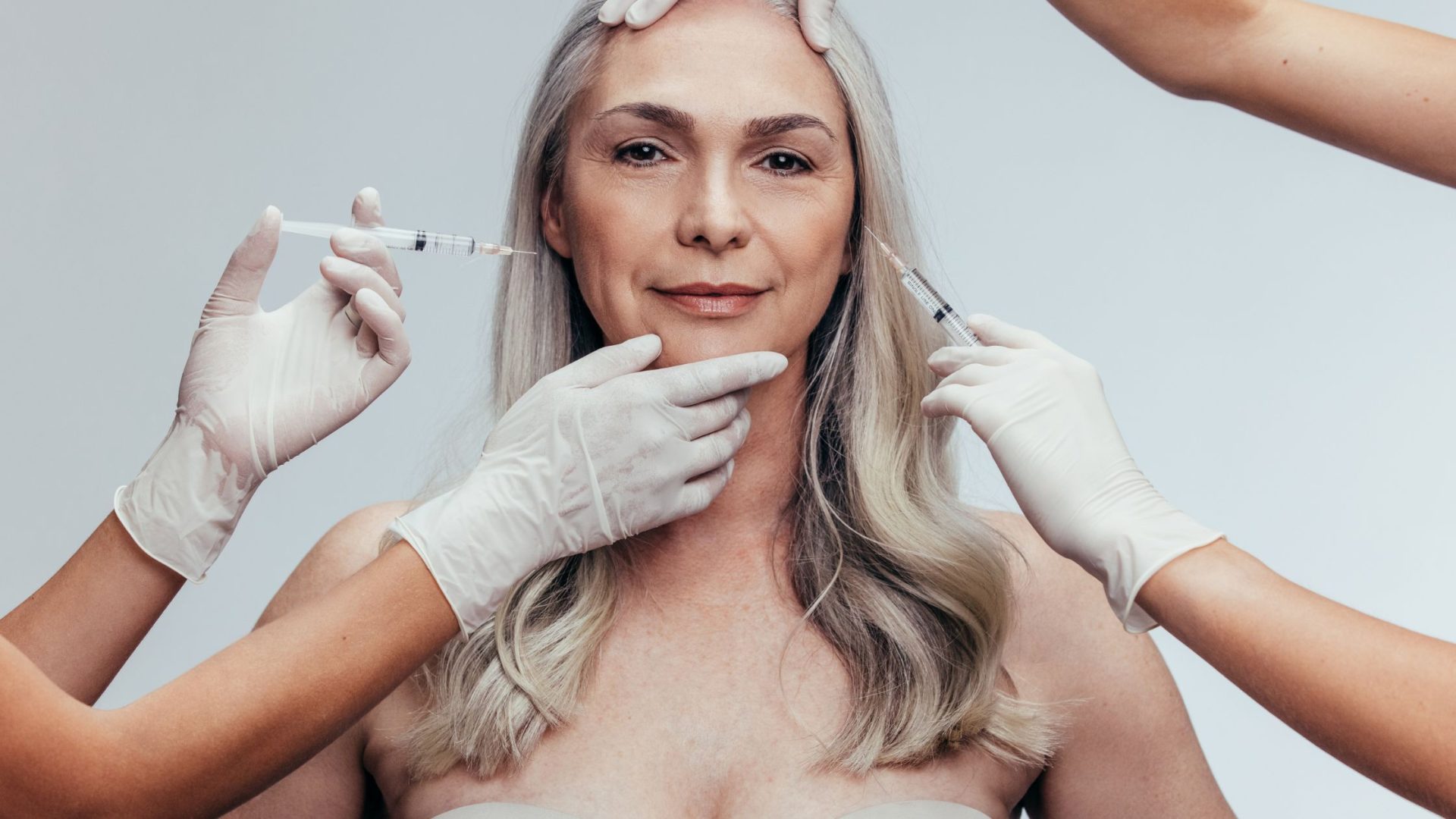
Medical spas combine the relaxing atmosphere of a traditional spa with advanced treatments that often require medical oversight; think injectables, laser therapies, or skin rejuvenation procedures. Many of these procedures are performed as a matter of routine, but don’t let the spa setting lure you into a false sense of complacency. If you’re going to have any kind of treatment done at a med spa, doing a little homework first can ensure your experience is safe, effective, and worth the investment.
Take the microblading trend, for example. Countless beauty technicians can safely and effectively perform the procedure, which is much like getting a tattoo. But if you don’t thoroughly research the venue and technician first, you could wind up with a serious infection, or (perhaps even worse), semi-permanent, disfiguring fake eyebrows that will be difficult to hide or correct.
Whether you’re going for a simple facial or a more intensive treatment, knowing what to ask beforehand can help you feel confident and informed. Here’s what you should know — and the key questions to ask — before your first visit.
Finding the Right Med Spa
Finding a reputable med spa staffed with qualified, well-trained professionals is critical when considering any non-invasive cosmetic procedures. Personal recommendations from friends and family are always a good start, but be sure to follow up with your own research as well. Look for those with board-certified medical providers and experienced staff. Any reputable practice will happily answer questions about their credentials and licensure, so don’t hesitate to ask.
Also, if possible, consider finding a spa that specializes in the specific treatment(s) you want. Some large med spas offer a wide array of treatment options, and can perform all of them with expertise, but it still may be wise to seek a smaller-scale med spa with a focus on your particular needs. (After all, someone who performs one or two procedures regularly will have more expertise than someone else who might only do it once a month.)
Next, dig deep into online reviews and testimonials to give you an idea of what other clients have experienced. Look for common themes in the reviews. Are clients raving about the staff or results? Be wary of red flags like poor communication or rushed treatments. (Also, a good rule of thumb when doing internet research is to pay attention if a search result is consistently at the top of Google with large numbers of vague reviews. This can be a sign that the spa is using a review posting service.)
Once you’ve narrowed it down to a few options, try to verify their cleanliness, safety procedures, and the condition of any equipment they’ll be using. The American Med Spa Association has a detailed, thorough informational site you can reference if you need help with details to look for in order to verify the quality of a facility.
Good Questions to Ask:
- Will a doctor be on-premises or on-call during your treatment?
- Laws regulating med spas vary greatly from state to state, and only a few states require a doctor to be present at med spas — and even then, sometimes only for certain procedures.
- The Better Business Bureau (BBB) recommends seeking out a med spa under the supervision of a board-certified plastic surgeon. (Some med spas may be overseen by practitioners with unrelated specialties.)
- How long has the supervising doctor been working at the facility, and how involved are they?
- What are their hygiene and sterilization practices?
- Med spas should be prepared and willing to share this with potential clients at any time. Any hesitation should be a red flag.
- Devices (such as lasers) used should be FDA-approved and well-maintained.
- Who administers treatments?
- Each state has different requirements about what kind of licensed professional can perform which kinds of treatment. As a general rule, according to the BBB, non-medical treatments like facials can be performed by trained aestheticians. Medical treatments, like Botox injections, should be administered by a doctor or mid-level practitioner, such as a registered nurse.
- What are the pricing policies?
- A reputable med spa should have clear and upfront pricing for all services. Be wary of hidden fees or unusually low prices, which may indicate subpar quality.
Choosing the Right Treatment(s)
Part of finding the right medical spa is knowing which treatments you want. Elite Medical Spa in Saratoga advises that you ask yourself about your personal aesthetic goals. Are you trying to reduce fine lines and wrinkles, improve skin texture or coloration, remove unwanted hair, or even body contouring? Having a good idea of what you want to do can help narrow down the types of procedures you need to research.
Most quality med spas will provide clear, detailed descriptions of their treatments, as well as the technology used, outcomes, and how many sessions might be required.
Additionally, every med spa should offer a thorough, specialized consultation before doing any kind of procedure. Most reputable med spas will offer this initial consultation at a low cost or free, and won’t require immediate commitment. (Always be wary of a hard-and-fast sales pitch.) Then, the med spa professional should be happy to thoroughly explain any recommended treatment(s) after the consultation, including how it will be performed, potential results, and alternative options.
Good Questions to Ask:
- How many times have you performed this treatment?
- What type of training is required to use this particular piece of equipment?
- What type of training and certification do you have?
- Do you have before and after photos of your clients who have had this procedure done?
- Will my treatment be customized to my skin type, goals, and medical history?
- A cookie-cutter approach is usually a red flag, suggests the Elite Medical Spa website.
- What are some risks or potential side effects of the treatment?
- How many treatments will I need to achieve my desired results?
- General recommendations, including these from Your Health Magazine, are that you get Botox done every 3-4 months, fillers every 8-12 months, facials can be done monthly, and more intensive procedures such as laser or microneedling require at least 6-8 weeks between treatments. Of course, this will vary depending on your goals, environmental factors, and your budget.
- What should I expect before, during, and after the procedure?
- Be sure to ask about any required aftercare, and potential “downtime” after the procedure, such as whether you may need to lay low for a bit. Also, inquire about what to expect in terms of healing or adjustments you’ll need to make to your usual routine. For example, Boutiq Clinic practitioners in Orlando, Florida, advise clients to be extra careful about sun exposure after a laser skin resurfacing treatment.
- Are there any contraindications or conditions that may affect my treatment?
*Photo courtesy of Jacob Lund via Canva