

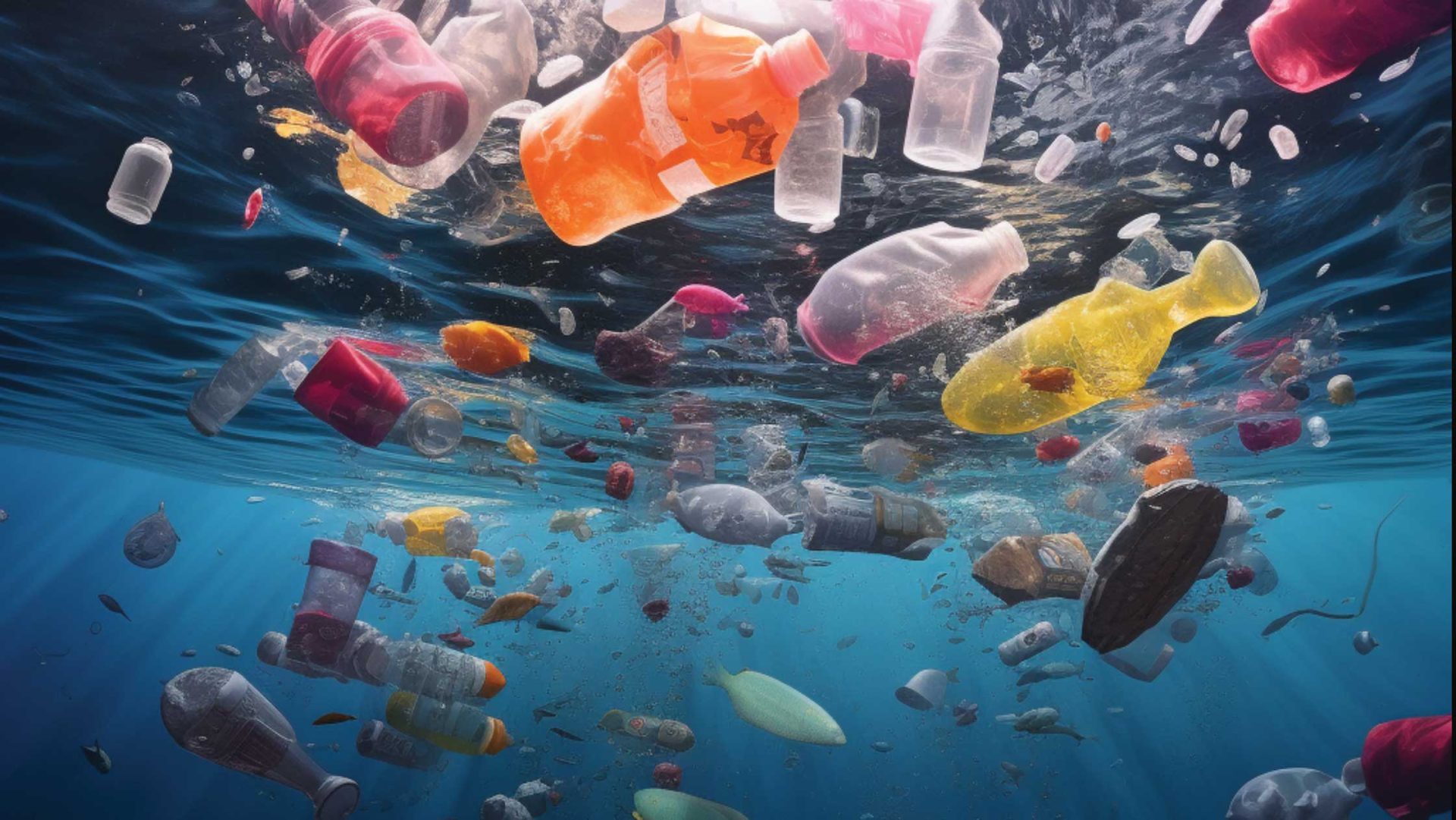
The plastic problem you can’t see
Microplastics are showing up everywhere — from oceans and soil to our food, water and, more alarmingly, the human body. Scientists are racing to understand what that means for our health, and the research is still evolving.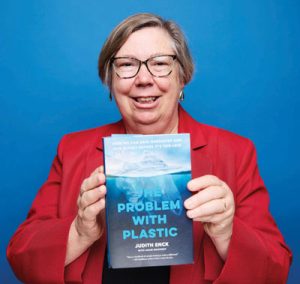
To cut through the noise, we spoke with two experts who have been studying microplastics up close:
Judith Enck founded Beyond Plastics, a nationwide organization based at Bennington College that works to eliminate plastic pollution. She’s also one of the authors of The Problem with Plastic: How We Can Save Ourselves and Our Planet Before It’s Too Late and a former Obama administration appointee to the U.S. Environmental Protection Agency. She and Beyond Plastics science director, Trisha Vaidyanathan, Ph.D., broke down the research and how we can protect our bodies and the environment.
55+Life: Why are microplastics in our bodies a serious issue?
JE: Every month, there is a new peer-reviewed scientific report documenting the presence of microplastics in virtually every organ of our bodies. This is a growing area of research, but there is enough evidence to act.
Scientists are finding microplastics in our blood, organs, brains, breast milk, placentas and testicles. They’ve been linked to gastrointestinal problems, heart attack and stroke, as well as cognitive disorders like Alzheimer’s.
TV: Micro- and nanoplastics enter our bodies through our mouth, nose or skin. From there, they can travel via the bloodstream to any organ in the body, including the brain. And it’s not just the physicality of the tiny piece of microplastic in your gut or your kidney. There are 16,000 chemicals found in plastics, so some of those chemicals are hitchhiking on microplastics, creating a double risk.
55+Life: Sounds scary. What can we do?
TV: The health effects of the chemicals in plastic and their links to disease, neurological and cardiac damage are well-studied. The brain is typically protected from harmful substances in the blood by the blood-brain barrier. However, research shows that smaller nanoplastics can pass through, and the presence of certain plastics can even weaken this barrier, leaving the brain more susceptible to infiltration.
55+Life: What happens when microplastics enter the brain?
TV: Early studies raise concerns that microplastics and nanoplastics may kill brain cells, disrupt the brain’s immune system, and promote the buildup of harmful proteins linked to neurodegenerative diseases like Alzheimer’s and Parkinson’s.
55+Life: Is plastic recycling making a difference?
JE: People should keep recycling paper, metal, glass, cardboard, compost, yard and food waste, but we need to be honest about the failure of plastic recycling. It is a failure, and it’s not a solution for us.
Research shows that microplastic levels in human brains were nearly 50% higher in 2024 compared to those found in 2016. With plastic production expected to triple by 2060, the risk to our health will continue to rise unless action is taken.
The good news is that there are solutions.
TV: The way to solve the problem is to phase it out. Think of the lead paint issue decades ago. It took time, effort and advocacy to recognize the dangers, to educate and enact change and regulations. But it got done.
JE: One major step is to avoid plastic packaging. In particular, don’t put your frozen entrée into the microwave. Many of us use prepared frozen foods and they are always in plastic, including black plastic which is made from recycled electronic waste. If it says microwave safe, all that means is it’s not going to physically melt. It doesn’t mean that you’re not going to get a dose of chemicals with your fettuccine Alfredo. Put your food on a ceramic plate or in a glass container before microwaving.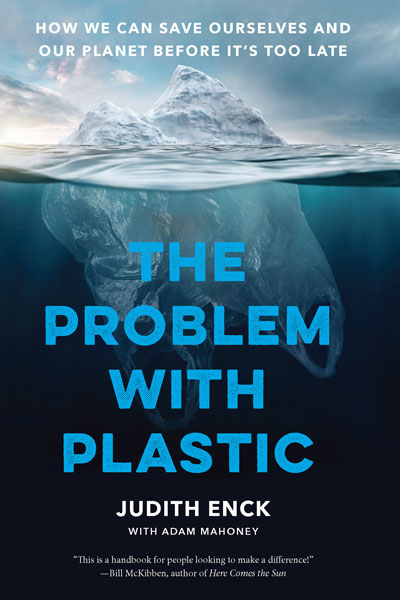
Here are more immediate steps that you can take to reduce microplastics in your everyday life, according to Enck and Vaidyanathan:
- Swap plastic cutting boards for 100% wooden or bamboo.
- Store food in glass, metal or ceramic containers; substitute beeswax wrap and aluminum foil for plastic wrap.
- Since we all breathe in a lot of microplastics, consider getting an air purifier with a HEPA filter to remove particles from the air in your home or office. Dust surfaces regularly.
- Use metal cookware and metal or wooden cooking utensils; avoid plastic utensils and nonstick pans and pots.
- Stop drinking water and other beverages packaged in plastic bottles. Carry a reusable nonplastic bottle or choose glass-bottled beverages.
- Don’t put plastic items in your dishwasher; high heat causes them to leach chemicals more readily into your food and drink.
- Look for personal care products sold in glass, metal, ceramic and paper packaging. Switch to bar soap and solid shampoo and conditioner bars.
- Choose clothes made from natural fibers like cotton, wool or linen.
- Instead of using plastic grocery bags, switch to reusable cotton, hemp or canvas bags; use lightweight cotton for produce.
- Skip laundry detergent in big plastic bottles and try powdered detergent or a concentrated tablet.
Beyond Plastics Events
Join Beyond Plastics founder Judith Enck as she discusses “The Problem with Plastics” on April 20 with “Capital Tonight” host Susan Arbetter at the NYS Writers Institute at SUNY Albany; and April 25 with Ulster County executive Jen Metzger at the Orpheum Theatre in Saugerties. Find more upcoming Beyond Plastics events.
More about Plastics
Check out these resources for plastic-free cleaners and care products for your home: Meliora Cleaning Products (meliorameansbetter.com) and Blueland (blueland.com)
See more ideas and fact sheets at beyondplastics.org along with free advocacy trainings and Dr. Vaidyanathan’s informative column Ask a Scientist.
Read More:
- Green Choices are Reshaping the Deathcare Industry
- Decorating with Houseplants
- Doing Good on the Go: Volunteering on Vacation