

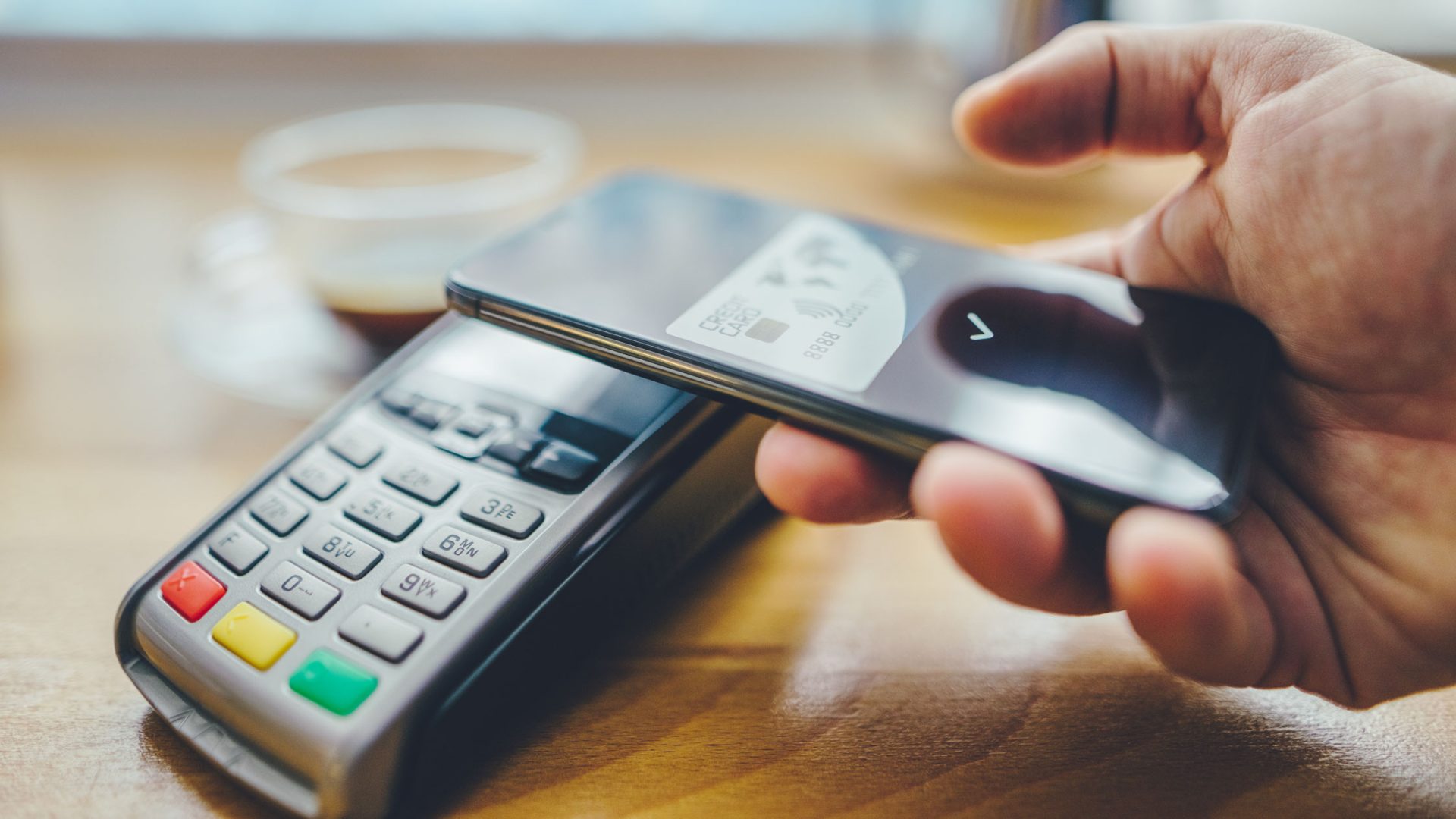
Digital wallets are virtual financial platforms that store payment information electronically — Cash App, Apple Pay, Google Wallet, to name a few — allowing you to pay for items using your device. Having gained popularity during the pandemic, digital wallets (and other contactless forms of payment) are quickly changing the way we pay for everything. With just a tap or a swipe on your smartphone, you can leave your wallet behind and breeze through checkout with ease.
While the convenience is undeniable, digital wallets also come with a few trade-offs worth considering. Before you ditch your physical cards for good, here’s what you should know:
First: What Is a Digital Wallet, and How Does It Work?
Most digital wallets use two types of technologies for in-person transactions: QR Codes (Quick Response codes, those little matrix bar codes that you scan with your camera); and near field communication (NFC), the technology that allows two smart devices to connect and transfer information using electromagnetic signals when within close proximity to each other.
Then, the card information you’ve stored in your “wallet” is transmitted from your device to the “point-of-sale terminal” (aka: the card scanner machine), which is connected to payment processors. Those processors transmit the data through credit card networks and banks to make a payment.
Digital Wallet Benefits:
- Enhanced security: Digital wallet transactions are often protected through a process called tokenization, according to the Credit Union, Maps. This process protects sensitive data (like your account number) as it moves from one place to another by replacing it with encrypted surrogate information. That means that your card data or bank account information won’t be disclosed when making a transaction, putting less personal data at risk. Additionally, unlike credit cards, many digital wallets require biometric authentication (a fingerprint, code, or facial recognition) before you can use them.
- Convenience: Investopedia informs us that you can use digital wallets to “carry:” gift cards, membership cards, loyalty cards, coupons, event tickets, plane and transit tickets, hotel reservations, certain ID cards, cryptocurrency, and in some cases, even your car keys. Not only is everything consolidated in an easy-to-access place, but they don’t need to occupy any physical space. (No more George Costanza wallets or bulky purses!)
- Faster transactions: According to First Service Credit Union, digital wallet transactions process (on average) in 2 seconds, while chip-card transactions can linger for 10 seconds. Those 8 shaved seconds might not seem like a big perk for the typical consumer, but it does move things along more smoothly when business is hopping, meaning you might have shorter lines to wait in.
- Easier Expense Tracking: Digital wallets make it easy to access transaction histories all in one place, simplifying the task of monitoring spending habits and staying on budget.
- Reward programs: Many digital wallets offer user incentives, like discounts, special bonuses and cashback opportunities.
- Small or zero transaction fees: Small (or non-existent) transaction fees make digital wallets more attractive money transfer methods compared to banks and apps like Venmo or Paypal.
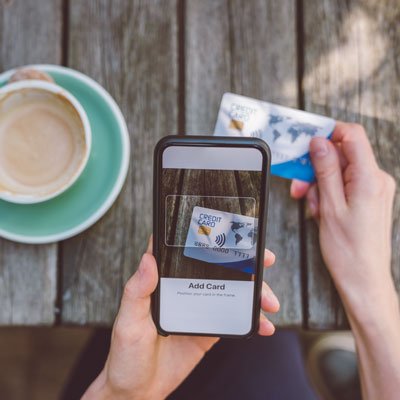
Digital Wallet Drawbacks:
- May not be accepted everywhere…yet: Smaller shops or less-developed areas may not be set up to accept payment via a digital wallet.
- Technological reliability issues: As wonderful as our devices are, they do suffer from some reliability issues. If an Internet setup or electronic point-of-sale network isn’t functioning, your digital wallet might not be feasible as payment. Same goes for Bluetooth connections or Wifi difficulties.
Furthermore, if you lose your phone or lose access to it due to a dead battery or damage, you also lose access to your wallet. (This would be extra hard on those who are accident-prone or forgetful.)
- Still vulnerable to identity theft/fraud: If your phone gets stolen or misplaced — and you don’t have your digital wallet protected by password or biometric data — your accounts and information could be very easily accessed, used, and manipulated.
- Reduced personal financial diligence: Access to such convenient technology typically leads to more frequent transactions, according to The Payments Association. That’s not a bad thing for some people, but for those with impulse control issues it only reduces the inherent friction that might cause them to stop and think about a purchase before making it. (In other words, those online purchases that happen after a glass or two of wine? They’re going to be even easier.)
Additionally, more frequent transactions means a higher likelihood of making a payment through unscrupulous or unverified merchants, thus exposing you to fraud or theft. And it would make it harder to detect any suspicious transactions if they’re buried under a slew of other, legitimate, purchases.