
It’s happened to all of us: We open a bag of chips (or a pint of Ben & Jerry’s!) with the intention of having just a bit, only to realize soon afterward that the container is empty. Is it a lack of willpower, or are these foods designed in ways that make them especially difficult to stop eating?
The answer, researchers say, is complicated. Food is not literally addictive in the same way as alcohol, cigarettes or drugs, but scientists are investigating whether some ultra-processed foods, or UPFs, can trigger powerful reward pathways in the brain that contribute to cravings, overeating and difficulty stopping.
“A lot of times, people are motivated to consume ultra-processed foods excessively not because they need calories, but because they’re looking to change their mood, get a hit of pleasure, feel less stressed or reduce their feelings of boredom,” said Dr. Ashley Gearhardt, a psychologist studying compulsive eating at the University of Michigan, in a Q&A about UPFs and addiction.
Once an occasional convenience, UPFs now make up most of the American diet, prompting scientists to investigate whether the qualities that make them inexpensive, convenient and irresistible may also help explain their links to chronic disease, overeating and addiction-like behaviors.
What is Ultra-Processed Food?
Processed foods are generally any foods that have been altered from their original agricultural form, and most researchers agree they are not inherently “bad” for you. Bagged spinach, olive oil and pasteurized milk, for instance, are all processed foods.
The answer lies in how scientists distinguish traditional processing from the newer category of ultra-processing. The term comes from the NOVA food classification system, developed in the early 2000s by researchers at the University of São Paulo in Brazil to classify foods based on how much and why they were processed. The system gained attention as researchers linked rising UPF consumption with increases in obesity and chronic diseases.
Ultra-processed foods tend to be hyperpalatable, energy-dense, low in fiber with little or no whole foods, all while having high amounts of salt, sweeteners and unhealthy fats. The result for most UPFs is a particularly rewarding eating experience with less nutritional value.
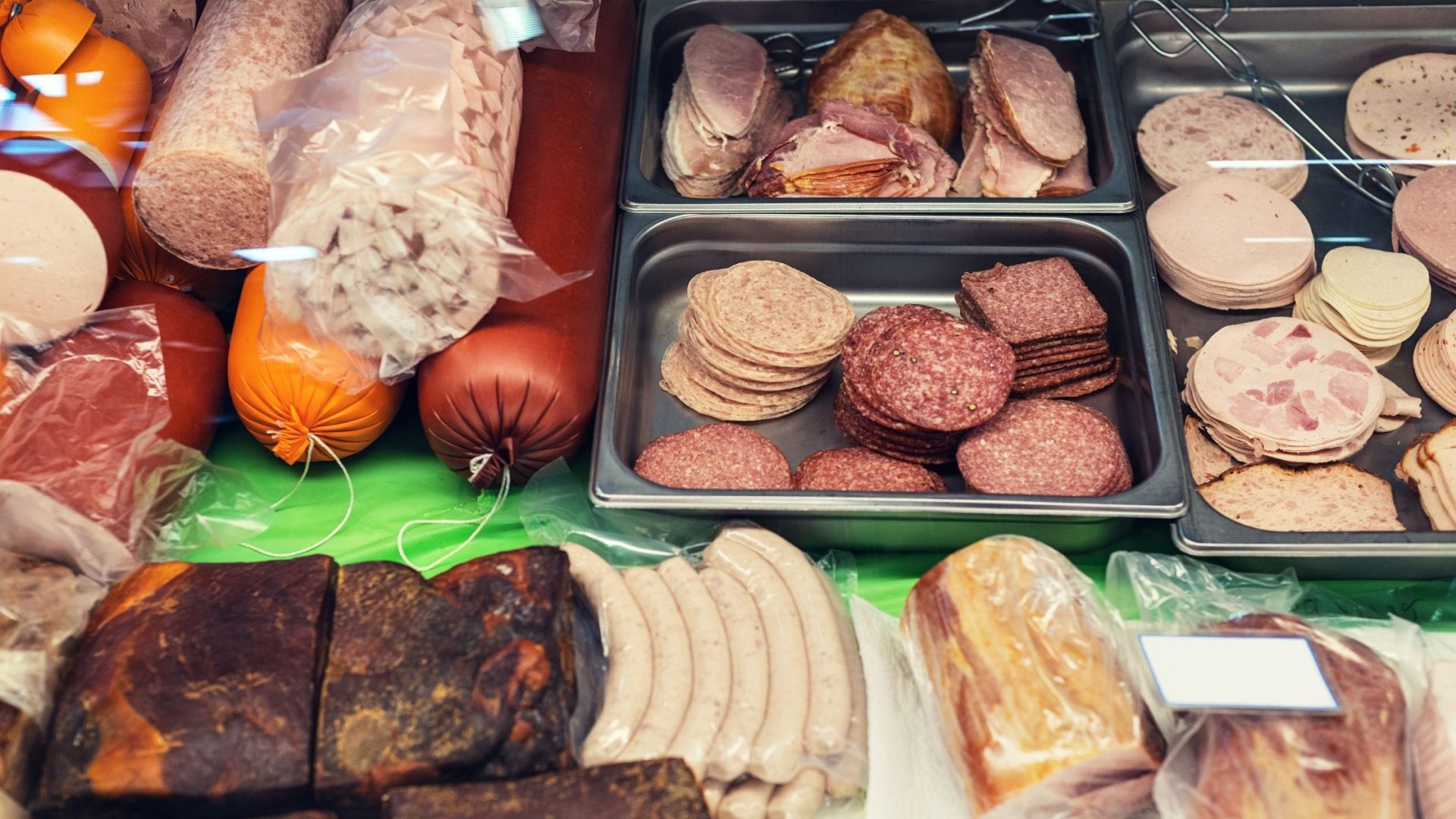
But UPFs aren’t limited to the obvious fast-food cheeseburger or sugary energy drink. They also include many packaged sliced breads, flavored yogurts, cereals, protein bars, salad dressings, canned soups and even some products marketed as “high-protein,” “plant-based” or “organic,” according to the Ultra Processed Food List, which analyzes thousands of food products based on their ingredients and how much they’ve been altered from their natural state.
While NOVA has changed the way scientists think about food processing, some researchers still debate whether processing itself is the main concern or whether the problem is the excess calories, added sugars, lower fiber content and overall diet quality.
Convenience at a Cost
Most researchers agree that it’s not the occasional packaged honey bun that’s harmful; instead it’s that UPFs have begun to dominate the American diet, now making up more than half the calories we take in — more (nearly 62%) among young people, according to the Centers for Disease Control and Prevention. By comparison, a study of adults in 22 European countries found that ultra-processed foods accounted for an average of about 27% of daily calories, highlighting just how heavily Americans rely on these foods.
For many families, UPFs are simply part of the daily routine: frozen waffles at breakfast, a ham sandwich on sliced bread for lunch, crackers for an afternoon snack, pasta with jarred sauce for dinner, with maybe a juice box or granola bar grabbed on the way out the door.
But research has linked higher consumption of these types of foods with increased risks of dozens of health conditions, including obesity, type 2 diabetes, heart disease, certain cancers, asthma, anxiety and depression. Studies focusing on older adults have also found associations between higher UPF intake and increased frailty, while research in middle-aged and older adults has linked greater consumption with faster declines in cognitive function.
The Craving Connection
UPFs are made to taste great, plus they’re less expensive than whole foods and require little preparation. Many are developed using food science and consumer data to maximize taste, texture, convenience and appeal, and researchers want to know whether these characteristics could encourage people to eat more than they intend.
In his book, Salt Sugar Fat: How the Food Giants Hooked Us, investigative reporter Michael Moss describes how food manufacturers employ chemists and researchers to fine-tune the balance of sugar, fat and salt that makes foods especially delicious.
“The optimum amount of sugar in a product became known as the ‘bliss point,’” writes Moss.
Scientists are exploring how food structure, texture and processing can influence digestion, fullness and hunger signals. They’re also studying whether UPFs affect hormones such as ghrelin (aka “the hunger hormone”), GLP-1 and insulin to try to explain why some people feel hungry again soon after eating a high-UPF meal.
A 2019 study found that more than 60% of foods in a U.S. food database fit criteria for hyperpalatable UPFs. A landmark NIH study found that people eating an ultra-processed diet ate about 500 more calories per day and gained about 2 pounds in two weeks compared with those who ate a minimally processed diet (and lost 2 pounds in the same period). As a result, obesity is also far more common in the U.S. (40%) than in Europe (19%).
The Addiction Question
Made to be flavorful, satisfying and effortless to prepare and eat, many UPFs are designed to keep consumers coming back. Researchers are investigating whether those same qualities encourage overeating, intensify cravings and, according to some experts, may even contribute to addiction-like behaviors.
In a 2025 commentary in the journal Nature Medicine, the authors argue that some UPFs can trigger the same brain reward pathways involved in substance use disorders, including cravings, loss of control and continued consumption despite negative consequences. The authors, including researchers from Drexel University, the University of Michigan and the National Institutes of Health, called for more research into “ultra-processed food addiction,” which is not currently recognized as a formal medical diagnosis.
What is clear is that today’s food environment looks very different from the one many of us grew up in — with highly engineered convenience foods now making up a much larger share of our daily diets.
Finding a Balance
Still, the conversation is more complicated than simply labeling all packaged foods as unhealthy.
“Prepackaged whole grain breads, many yogurts, instant oatmeal and jarred pasta sauces are all ultra-processed foods, but have lower levels of saturated fats and added sugars while still containing a plethora of nutrients that help reduce disease risk,” according to a Johns Hopkins report.
The goal is not to return to a world without packaged foods. Processing has made food safer, more affordable and more convenient. The challenge is recognizing when convenience becomes a substitute for real nourishment, and finding a balance that works in modern life. Instead of avoiding all ultra-processed foods:
- Choose foods with recognizable ingredients more often.
- Prioritize protein and fiber at meals.
- Cook from scratch when practical.
- Add whole foods rather than only focusing on what to remove.
- Don’t assume a food marketed as “healthy” is minimally processed.
Top image: shaunl from Getty Images Signature, via Canva.com