


Forget the pricey protein powders, exotic berry smoothie bowls and foods with “super” stamped all over their labels. Although the term “superfood” sounds scientific, it’s really just a marketing label for foods especially rich in nutrients and other beneficial compounds — and a handy way for companies to hype a product and charge a premium for it. But you don’t have to spend a fortune to eat well. Some of fall’s biggest nutritional bargains are hiding in plain sight — in humble cabbage, earthy beets and even the unassuming turnip.
Many of these everyday foods are in season, inexpensive and packed with fiber, vitamins, minerals and other beneficial compounds. USDA research has found that some vegetables cost well under 50 cents per cup-equivalent, making foods such as potatoes, onions and carrots particularly budget-friendly. So before you reach for the latest superfood being touted as a nutritional powerhouse, take a look at what’s already in the produce aisle or in your kitchen. Here are some of fall’s best foods to work into your weekly menus.
Cabbage: the sleeper superfood
You probably aren’t eating enough cabbage. It’s inexpensive, keeps well and provides vitamin C, vitamin K and fiber and other nutrients. You can eat it raw, roasted, sautéed, stuffed or fermented. “Cabbage is an affordable, versatile, delicious and hearty vegetable that really has not gotten a lot of attention for a long time,” says Dr. Nate Wood, founding director of culinary medicine at Yale School of Medicine, in a Washington Post article. One cup of raw green cabbage has just 22 calories, along with 2 grams of fiber, 56% of the daily value for vitamin K, 36% for vitamin C and 10% for folate, according to registered dietitian Jillian Kubala in an article for Healthline. It also contains antioxidants and sulfur compounds associated with potential anti-inflammatory effects.
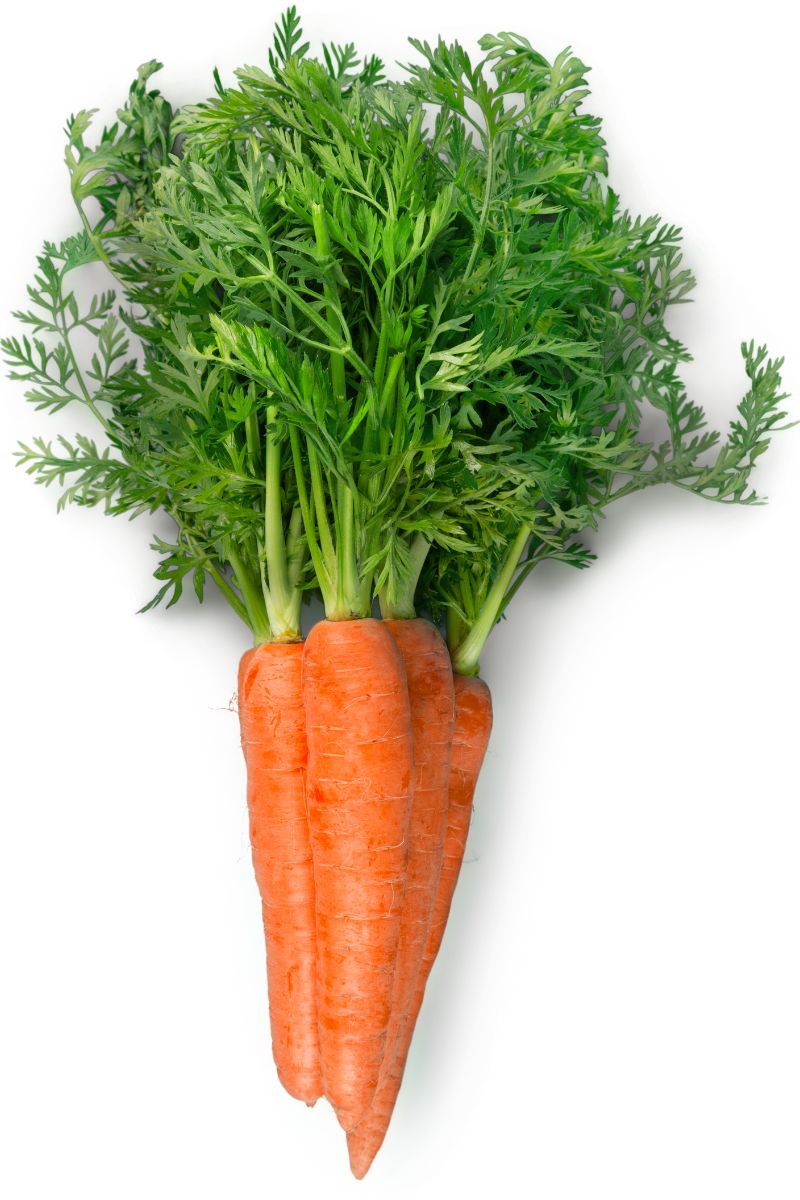
Carrots: the nutritional workhorse
Carrots are rich in beta-carotene, fiber, potassium and other nutrients, and they’re inexpensive and easy to keep on hand. According to the Cleveland Clinic, two medium raw carrots contain about 45 calories and 3.1 grams of fiber, along with potassium, folate and other nutrients. Their carotenoids, including beta-carotene and lutein, are important for eye health, while their fiber supports digestion and helps with fullness. The Cleveland Clinic also notes that different-colored carrots offer different plant compounds in the form of powerful antioxidants: Orange carrots are rich in beta-carotene, purple carrots contain more anthocyanins and yellow carrots provide beta-carotene and lutein.
Onions: the everyday MVP
Although they’re not something people typically call a superfood, onions are an inexpensive, versatile staple that contain vitamin C and plant compounds such as inflammation-reducing quercetin. Clinical trials of concentrated quercetin supplements have found modest reductions in blood pressure, although researchers have not established that eating ordinary amounts of onions produces the same effect. If stored properly, onions can last all winter. Eat them raw, sautéed, roasted or grilled; cooking can change their beneficial plant compounds, but it doesn’t erase their nutritional value.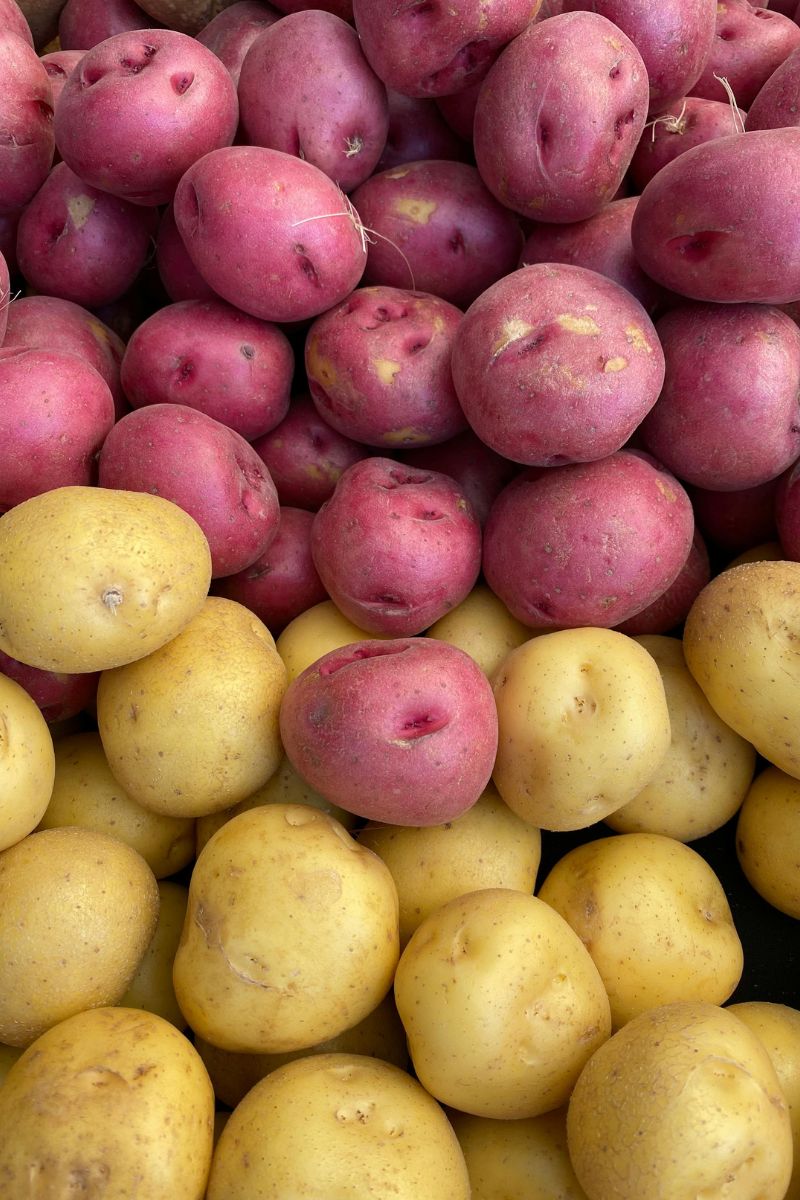
Potatoes: the most misunderstood
A plain baked potato with the skin on is extremely inexpensive and filling, and it provides several important nutrients. In fact, Consumer Reports pushed back recently on the potato’s reputation as nutritionally empty starch, reporting that a medium baked potato with its skin has about 160 calories, nearly one-quarter of the daily value for vitamin C, about 20% of the daily value for potassium, roughly 4 grams of fiber and 4 grams of protein, along with B vitamins, calcium, iron and magnesium. Red- and purple-fleshed potatoes also contain antioxidant compounds called anthocyanins.
“When prepared the right way, the humble potato is a very nutritious food,” Dana Hunnes, a senior dietitian at UCLA Medical Center, told Consumer Reports. Hunnes also points out that potassium is particularly important because many people don’t get enough of it. (How they’re prepared, however, matters, the experts say. Choose baked, steamed or roasted potatoes with their skins on over French fries, chips, or mashed potatoes loaded with butter and sour cream.)
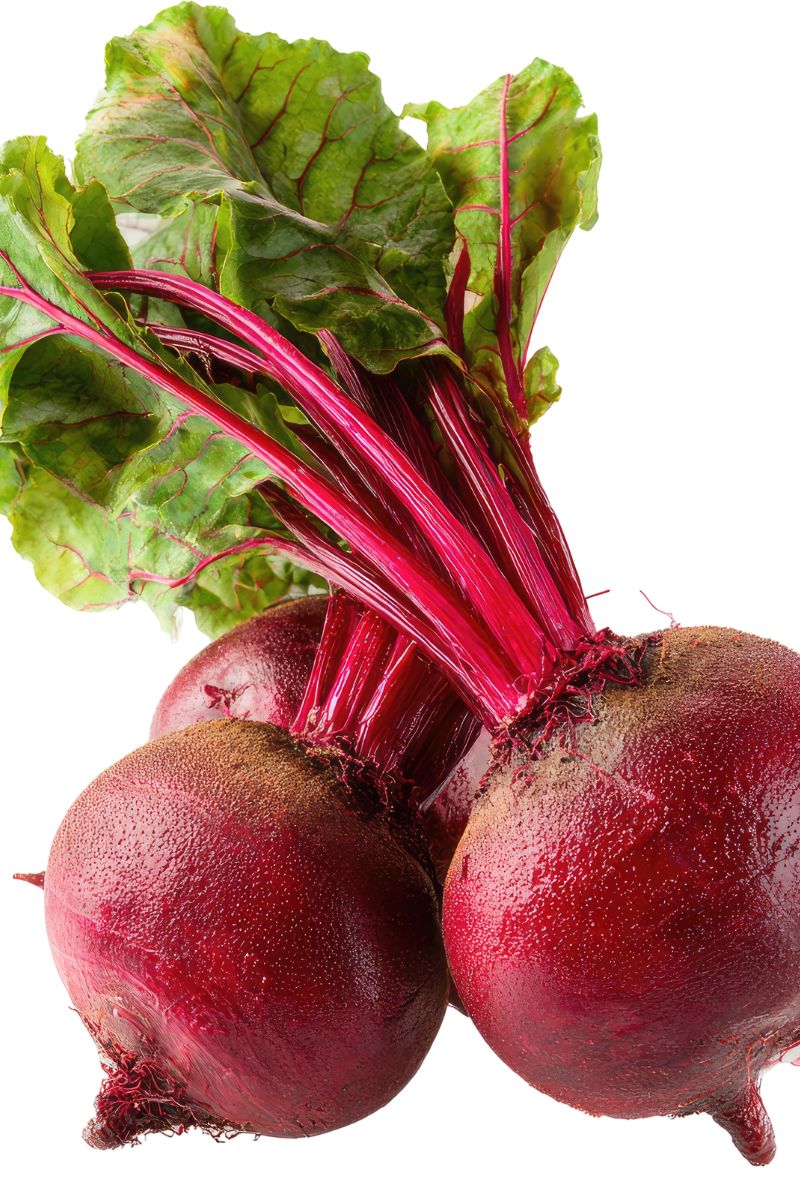
Beets: the scarlet standout
They’re colorful and seasonal and may not be something many people think of when they hear “superfood.” But beets are rich with fiber, folate, potassium and naturally occurring nitrates. Research on beetroot and beet juice suggests that their nitrates may help improve blood flow and modestly lower blood pressure, while newer research is also examining their potential role in exercise performance. Dietitian Molly Snyder suggests roasting them to toss in salads or turn into side dishes, pureeing them into a dip or even adding them to juice or smoothies.
Turnips: the two-for-one
Another underappreciated fall vegetable, turnips provide vitamin C, fiber and other micronutrients for very little money. And, you can eat both the root and the greens, which makes them especially interesting from a value perspective. In fact, the greens may be even more nutritionally impressive than the root. A 2021 review in the Journal of Food Science looked at 18 studies of turnip greens and identified 129 phytochemicals, including glucosinolates and flavonoids that researchers are studying for their potential biological effects. Raw young turnips can go into salads or slaws, while mature roots can be roasted, mashed, sautéed or added to soups and stews. The greens can be cooked much like other leafy greens.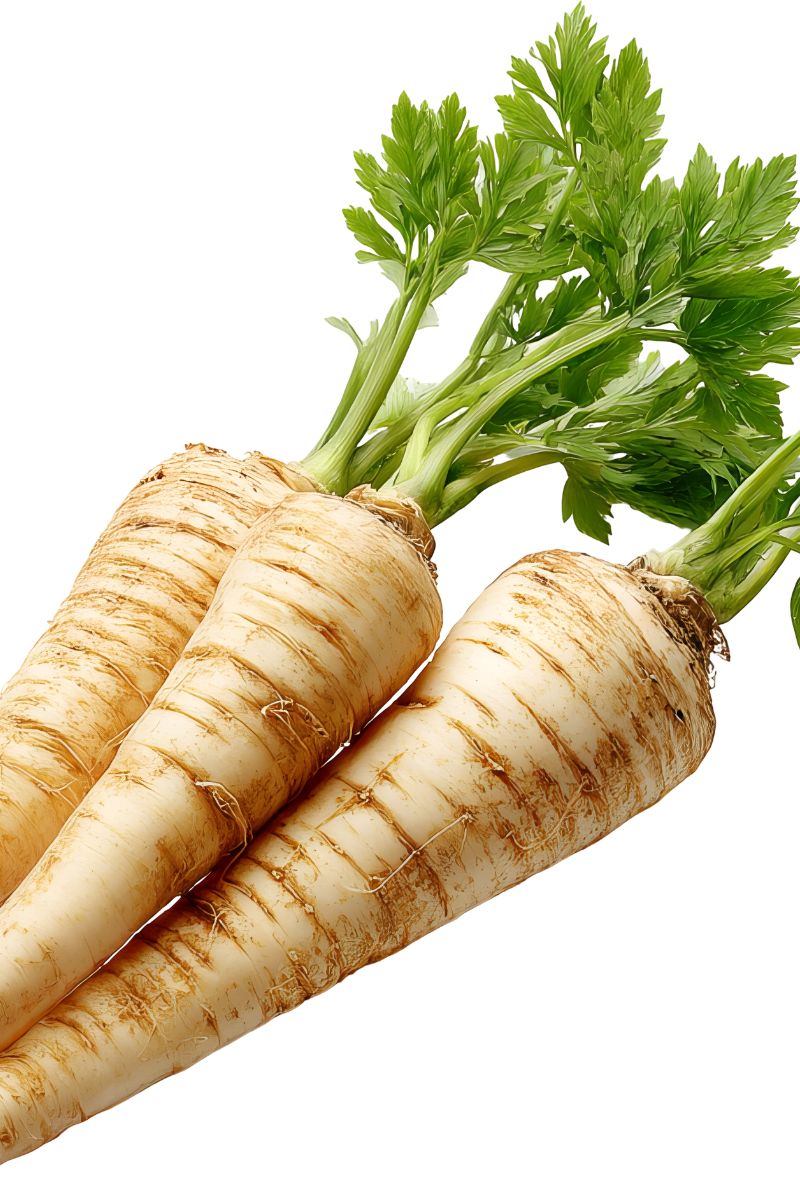
Parsnips: the plain but powerful
Parsnips in season are relatively inexpensive and surprisingly high in fiber. Although they’re pale beige and blemished, this cool-season root vegetable is closely related to carrots and parsley. Their flavor is also sweeter, earthier and nuttier — somewhere between a sweet potato and a carrot, especially when roasted. A cup of sliced raw parsnips provides about 6.5 grams of fiber, nearly 500 mg of potassium and more than 20 mg of vitamin C. Parsnips are at their best roasted, which brings out their natural sweetness, but they can also be mashed, added to soups and stews, sautéed or eaten raw when young and tender.
The rest of the produce aisle: Don’t forget the other nutritional heavyweights at the grocery store or farmers market this season. The old-school rutabaga, kale, collards, winter squash, artichokes, Brussels sprouts, pears and apples all pack a nutritional punch without all the superfood hype — or the price tag.
Top image: Aleksandr Kichigin, via Canva.com
More Articles You May Enjoy:
- 6 Nutrients That Nourish Your Brain
- Roasted Root Vegetables
- Where to Get the Freshest Veggies in the Capital Region