
About a year ago, Mairlyn Smith, a 70-year-old cookbook author, went viral on social media for evangelizing about eating lots of fiber and then going for a walk afterward to pass gas. She’d been posting her #FartWalk videos since 2020, but when she started a series she calls “Aging Wonderfully,” people suddenly started paying attention — including several major news organizations (National Public Radio (NPR), and the Today Show, to name a few).
Since then, fart walks have continued to grow as a fitness trend, which is for the best, really. In addition to being a handy excuse to whip out slightly rude terminology in polite company, fart walks are an easy way to improve your overall health.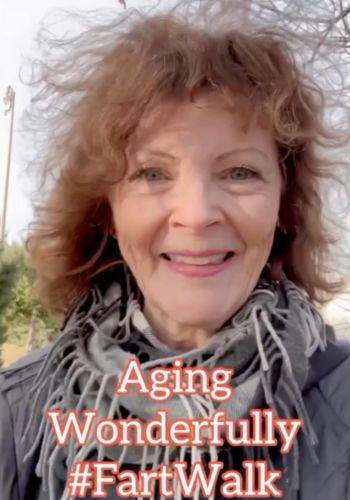
What are Fart Walks?
The concept of taking a post-meal walk (or “constitutional,” to use an antiquated term) has been around for ages. In Italy, the pastime is called la passeggiata; and according to one article in the UW Medicine blog Right as Rain, an ancient Chinese proverb suggests “If you take 100 steps after each meal, you’ll live to 99.” One essay on the subject, “Walking as an Exercise,” was published in the New England Farmer as far back as 1859, urging rural dwellers to take up walking for their personal health. “If Americans would prescribe themselves to what John Bull calls his ‘constitutional walk,’ we should gain in strength of muscle, and banish or diminish the common complaint, dyspepsia.” (For those who aren’t familiar with mid-19th century slang, John Bull was a cartoon depiction of the typical Englishman. Oh, and dyspepsia is a polite term for indigestion.)
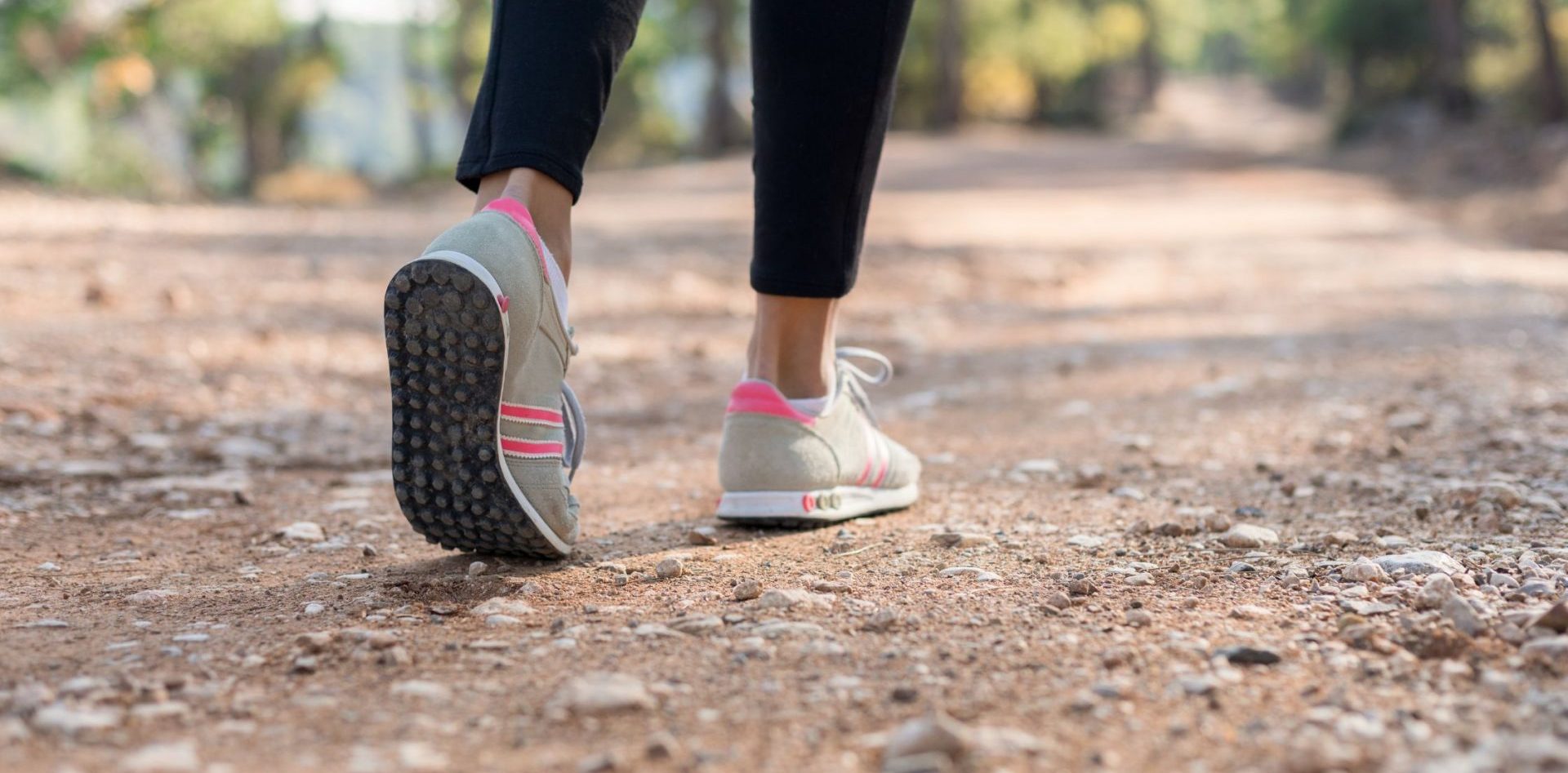
Aside from the giggle-inducing moniker, fart walks are a simple but highly effective method for helping our digestive system do its job. All you need to do is go for a walk soon after eating a meal.
The Benefits of Fart Walks
Aiding Digestion
You’re probably already aware that walking is beneficial exercise. But walking after a meal jump-starts the digestive process. “It actually has pretty important benefits for your well-being in your belly — getting things moving, so to speak — and may also be beneficial for clearing the air, if you know what I mean,” said gastroenterologist Dr. Chris Damman in an NPR interview. In other words, a brief stroll after a big meal can help relieve bloating and gas. He further explained that faster digestion may help get more fiber and other undigested nutrients to the lower part of the gut, providing a feast for the microbes that live there. Those microbes, when fed fiber-rich foods, will in turn produce lots of molecules that play an important role in keeping our brains, immune systems, and metabolisms healthy.
Regulating Blood Sugar Levels
Walking also plays a big role in regulating blood sugar levels after eating. As you might recall from high school biology class, food gets broken down into different parts as it is digested. One of those parts is glucose, a sugar that is one of the body’s main sources of energy. Taking a walk after a meal can help reduce the amount of sugar that floods the bloodstream because our muscles will use some of that glucose instead. As Damman explains, “When we move our muscles — and that’s both our heart and the muscles in our legs and our arms — they become sponges for the blood glucose that our gut is absorbing into the bloodstream. So it basically just pulls all that glucose out of the blood and into the muscles, where it’s being used immediately for propelling us forward.”
This is helpful, Damman goes on, because the body normally produces the hormone insulin to clear glucose out of the blood and into nearby cells. But muscle contractions through walking can also accomplish this, even without the presence of insulin. That means less stress on your pancreas (the organ that produces insulin) and less of the long-term wear and tear that could lead to prediabetes or diabetes.
Improving Mental Health and Acuity
Regulating your blood sugar levels by walking after a meal can be beneficial to your mental health as well. One review of seven studies backed up the fact that light-intensity walking significantly reduced “postprandial glucose and insulin,” or the blood sugar spike you get after you eat, compared to sitting. This was particularly helpful, the review noted, in decreasing feelings of fogginess or tiredness that commonly happen after eating meals with processed or sugary foods because of that sharp blood sugar spike.
Additionally, researchers at New Mexico Highlands University (NMHU) found that the impact of a foot pressing against the ground led to supplies of blood being sent directly to the brain — boosting concentration in the short term, and memory in the long term.
Furthermore, a 2015 study published in the Scandinavian Journal of Medicine and Science in Sports showed that hour-to-hour moods can be improved with the help of a lunchtime walk. In the study, walkers that took afternoon strolls felt better even hours after they walked than they had earlier in the day.
Increasing Physical Activity in General
A 2022 meta-analysis of 15 studies found that 7,000 steps could help people age 60 and older live longer, and that anything less than 5,000 is considered “sedentary,” according to an article from UT Southwestern Medical Center. The Mayo Clinic, meanwhile, notes that the average American walks 3,000 to 4,000 steps a day, or roughly 1.5 to 2 miles. So it’s no secret: Americans should be walking more. Why not do it after a meal for added benefits?
Tips for Getting the Most Out of Fart Walking
Walk Within Half an Hour of Eating
Timing is important. In the NPR article on fart walks Loretta DiPietro, a professor of exercise and nutrition science at George Washington University′s Milken Institute School of Public Health, said that you want to head out within about a half-hour after eating. That way, your movement will help move things in your gut, and your muscles can begin using up the glucose as it hits your bloodstream.
Any Movement Will Help
Thankfully, you don’t have to walk very far or intensely to receive the benefits of fart walks. DiPietro co-authored one study that found taking a 15-minute walk at a moderate pace after a meal improved blood sugar control even hours later.
If you can’t get outside for a walk, different kinds of easy physical activity will work as well, DiPietro says. Gentle yoga poses or stretching can also help with gas relief, or you could try marching in place or doing squats instead.
Top image: photo by muratdeniz from Getty Images, via Canva.com