

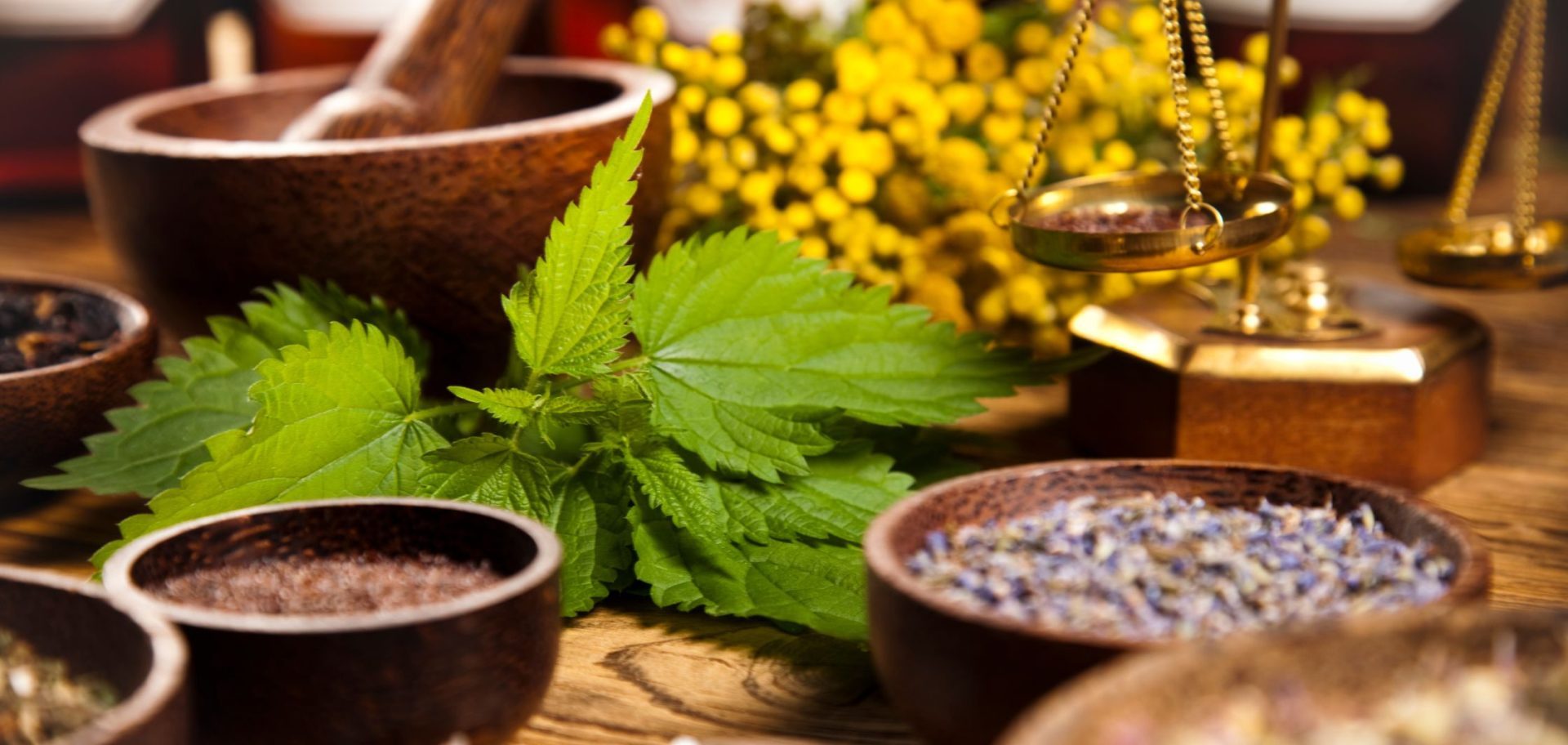
In a world brimming with modern medicine and cutting-edge treatments, sometimes it’s easy to overlook the simple, time-tested remedies that have been passed down through generations. Do home remedies really work, or are the old wives’ tales just a load of malarkey?
Many folk remedies, as it turns out, have science on their side. From soothing an upset stomach with ginger, to easing a cough with honey, these natural solutions can offer surprising effectiveness that goes beyond the placebo effect. Here are just a few of these tried-and-true methods for relieving some common ailments.
(Please keep in mind: whether you’re looking to complement conventional care or rediscover the wisdom of the past, this article is for informational purposes only. Please be sure to consult with a physician before taking any new home remedies, especially if you take prescription or over-the-counter medications, because some can affect how drugs work.)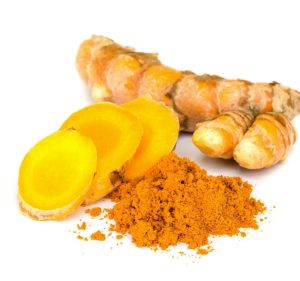
Turmeric
What is it used for?
Turmeric is a deep, golden-orange spice known for adding color, flavor, and nutrition to foods. A relative of ginger, turmeric comes from the rhizome (root) of a plant native to Southern Asia. It has been used in Ayurvedic (a holistic medicine practice originating in India) and other forms of traditional medicine in China and India for thousands of years.
The active ingredient in turmeric is a natural compound called curcumin, which has both antioxidant and anti-inflammatory properties, according to Mary-Eve Brown, an oncology clinical dietitian/nutritionist at Johns Hopkins Medicine. Turmeric has been shown to be effective when used to treat pain associated with inflammation. In one study, people with arthritis pain noted that their pain levels were more reduced after taking 500 milligrams of curcumin than 50 mg of diclofenac sodium, an anti-inflammatory drug. Other studies back up this claim, noting that turmeric extract was as effective as ibuprofen for treating pain in patients with knee osteoarthritis.
How to take turmeric to reduce pain related to inflammation:
Turmeric as a natural pain remedy is about the long game. The medical website Healthline says that consuming ½ to 1 ½ teaspoons of turmeric per day should start providing noticeable benefits after four to eight weeks. In terms of turmeric supplements, Brown advises we take caution: Because they’re not FDA regulated, any supplement could contain too much curcumin, which can cause digestive issues and kidney stones. “It’s better to get curcumin and most other nutrients in whole food form rather than to take turmeric pills, tinctures, capsules, or gummies,” she says. She recommends that people incorporate the spice regularly into their meals, especially by combining turmeric with black pepper, which helps increase the body’s ability to absorb the beneficial compounds. 
Honey
What is it used for?
Honey is a common folk remedy, but that doesn’t change the fact that The Mayo Clinic supports the belief that honey can be an effective and safe cough remedy for both children and adults. In an article on the subject, Dr. Angela Mattke, a pediatrician with the Mayo Clinic Children’s Center, said that honey “has been shown to be more effective than [some] over-the-counter cough medications,” particularly dextromethorphan (the active ingredient in Robitussin and Delsym) and diphenhydramine (Benadryl).
According to an article published by the College of Family Physicians of Canada, increasing evidence suggests that a single dose of honey is capable of reducing mucus secretion and the subsequent need to cough. In addition, in several trials honey showed “good demulcent effect and antioxidant properties, and it increased cytokine release, which might have antimicrobial effects.” Put more simply: honey helps by soothing the throat and coating cough receptors. Although most of the scientific studies are geared towards treating coughs in children, the accepted assumption is that the benefits will apply to adults as well.
How to best relieve a cough with honey:
Dr. Mattke says that the recommended dosage — for both children and adults — is one teaspoon of pasteurized honey every two hours. The only caveat is that honey should not be used in infants under the age of one year, due to the rare but serious risk of infant botulism.
Peppermint
What is it used for?
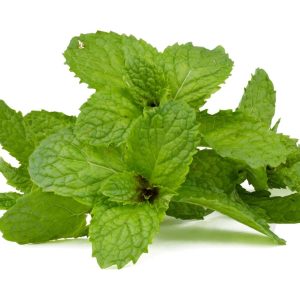
Mint has a long history of being used for medicinal purposes, dating all the way back to ancient Egypt, Greece, and Rome, where it was used as a stomach soother. Peppermint, in particular, has been proven to be an effective treatment for irritable bowel syndrome (IBS) and other digestive ailments, and research has revealed some indication that topical applications can help to relieve headaches and sinus problems as well.
According to several different studies, peppermint oil helps to relieve IBS symptoms through several different mechanisms of action: smooth muscle relaxation; visceral sensitivity modulation; antimicrobial effect; and anti-inflammatory activity. (In layman’s terms, it eases painful cramps, constipation, and bloating, relaxes an irritated intestinal lining, and can even help to block certain pain receptors in our colon.)
How to best use peppermint oil:
If you’re dealing with a run-of-the-mill tummy upset, peppermint tea is widely available and can be helpful in relieving some symptoms. For tension headaches, Mount Sinai medical group recommends that you create a tincture of 10% peppermint oil to 90% ethanol, lightly coat the forehead and allow the tincture to evaporate.
For IBS relief, it is recommended that you take 1 to 2 enteric-coated capsules (0.2 to 4mL of oil) three times daily, according to American Family Physicians. These pills are specially coated to allow the capsule to pass through the stomach and into the intestine.
Although peppermint oil can be a boon for some people, the experts from Mount Sinai say those with GERD or acid reflux should avoid it, as it can exacerbate those conditions. Large doses of peppermint can also sometimes interfere with the absorption of vitamins, minerals, and medications, so as always: consult with a doctor before starting any herbal remedies.
Featured image: Photo by JanPietruszka via Canva and Getty Images
MORE ARTICLES FOR YOU:
- Getting the Most out of Virtual Reality Fitness
- Cold Plunges: Benefits & Possible Risks
- Magic Mushrooms Making Way Into Therapy
- Trending: Magnesium Supplements