

Why you need houseplants in your life this winter
One year for my birthday on March 17, my late mother swapped her usual gift of a flower bouquet for a small, reddish-green shamrock plant.
“Let’s see if it’s still alive the next time I visit,” she joked, a reference to the brown thumb that had felled many an orchid, spider plant and succulent before it.
Over a decade later, that shamrock, which occupies one shelf of a tiered plant stand with six other leafy friends, isn’t just a reminder of someone I’ve lost, it’s also proof of my ability to cultivate life and bring nature, color and a dose of happiness into my home.
I’m not alone in my houseplant love. The home gardening business blossomed during the pandemic, with Americans spending $8.5 billion more in 2020 on garden-related goods than in the year prior, according to the U.S. Census Bureau.
Plants beautify our interiors, but they have plenty of other benefits. While their ability to purify the air is somewhat overblown — you would need an entire wall of them to make a significant dent in your home’s air quality — a growing body of scientific research demonstrates that houseplants can improve concentration and productivity, reduce stress and anxiety, and increase our sense of satisfaction.
Witnessing the vitality of glossy leaves, flowers and new green shoots is a definite mood-booster, says Duane Pancoast, 83, the Finger Lakes-based author of the books The Geriatric Gardener and The Geriatric Gardener 2.0: MORE Adaptive Gardening Advice for Seniors, as well as The Geriatric Gardener blog. “Plants bring a touch of nature inside, even in winter. This can be so important on the bleak days we experience in our climate, especially when we see nothing but a sea of white and barren trees outside.”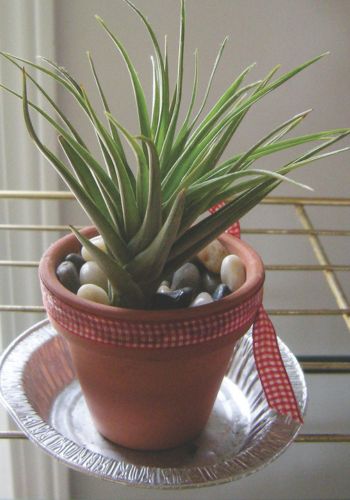
Houseplant Care 101
As any plant slayer, present company included, can attest, caring for potted flora isn’t as simple as arranging them on a sunny windowsill. But you don’t need much to get started — a watering can with a long spout, a spray bottle and a pair of pruners or scissors will do the trick.
Healthy houseplants begin with quality potting soil, which is readily available at any nursery, home and garden store, or even online. Most plants won’t need a soil refresh for the first several years of life; after that, they’ll benefit from a new dirt nap.
When soil becomes too dry, water actually runs off rather than soaking in. But if the soil becomes oversaturated, the plant’s roots will rot inside the pot. To prevent this, Claire Ward, a staff member of Ward’s Nursery in Great Barrington, recommends gently pulling the plant out of its container to confirm that soil is clinging to the roots and the planting medium is holding moisture. If neither of these is true, adjust your watering schedule and try a different potting soil.
Experts agree that the most common problem novice plant parents make is under- and overwatering. “[Plants] are living things and their environment can change without our noticing,” explains Ward. “Changes in light or humidity affect how the plant uses the water. People need to observe the whole plant regularly.”
Frieda Pearce, a master gardener volunteer with Cornell Cooperative Extension of Columbia-Greene County, adds that showy houseplants, such as orchids, begonias and peace lilies, are natives of the tropics and have special-care winter needs. “They don’t like a lot of light, so you have to keep them in low-light areas and provide them with some sense of humidity, to mimic the rainforest atmosphere,” including misting once or more per week, she says.
You can also purchase or make a humidity tray — a pebble-lined saucer made of a nonabsorbent material such as glass, plastic or ceramic. Set the potted plant on top, and then water the tray. As water evaporates between the rocks, it forms an insular “bubble” of humidity around the pot.
Fertilizer — a mix of minerals and nutrients, especially nitrogen, potassium and phosphorus — should be applied during the plant’s active growing time, from spring to fall. Supplement sparingly in winter months, the plants’ resting phase. Don’t fertilize a brand-new houseplant or a newly repotted one, or when the soil is dry.
Each plant requires a different amount and frequency of fertilization and watering, so it’s best to ask for instructions from your local nursery or extension office.
Varieties to Try
To set yourself up for success with indoor flora, experts suggest easy-to-grow varieties like schefflera (umbrella tree), pothos, snake plant, philodendron “Deliciosa,” ZZ plant, Christmas cactus and spider plants. “They will bounce back from near death when we forget about them,” says Jodi Cahillane, customer service representative at Ward’s Nursery.
Meanwhile, more seasoned gardeners can try higher-maintenance plants, such as Boston ferns, orchids and bonsais.
Remember that many plants can be toxic when surreptitiously sampled by children or pets; the poinsettia, a popular gift around the holidays, is one of the more notorious offenders. For more information, consult the ASPCA’s guide to toxic and nontoxic plants.
No matter which plants you choose, keep in mind that it might take some trial and error before you develop your green thumb, and that the practice of cultivating plants is part of the reward. “Caring for something, feeding, watering it, trimming it, it gives you something to do and to take pride in,” says Pearce.
Houseplants with Healing Properties
Grow one or more of these plants for extra health benefits.
- Aloe: The gel inside the leaves can be used to soothe burns, bee stings or itchy skin
- Chrysanthemum: The dried flowers can be brewed into a mild-flavored tea that has anti-inflammatory properties
- Lavender: Another great tea herb, lavender has a calming effect
- Lemon balm: Recognized for its relaxing qualities, this leafy plant can ease insomnia and anxiety
- Rosemary: The scent is said to improve focus and concentration
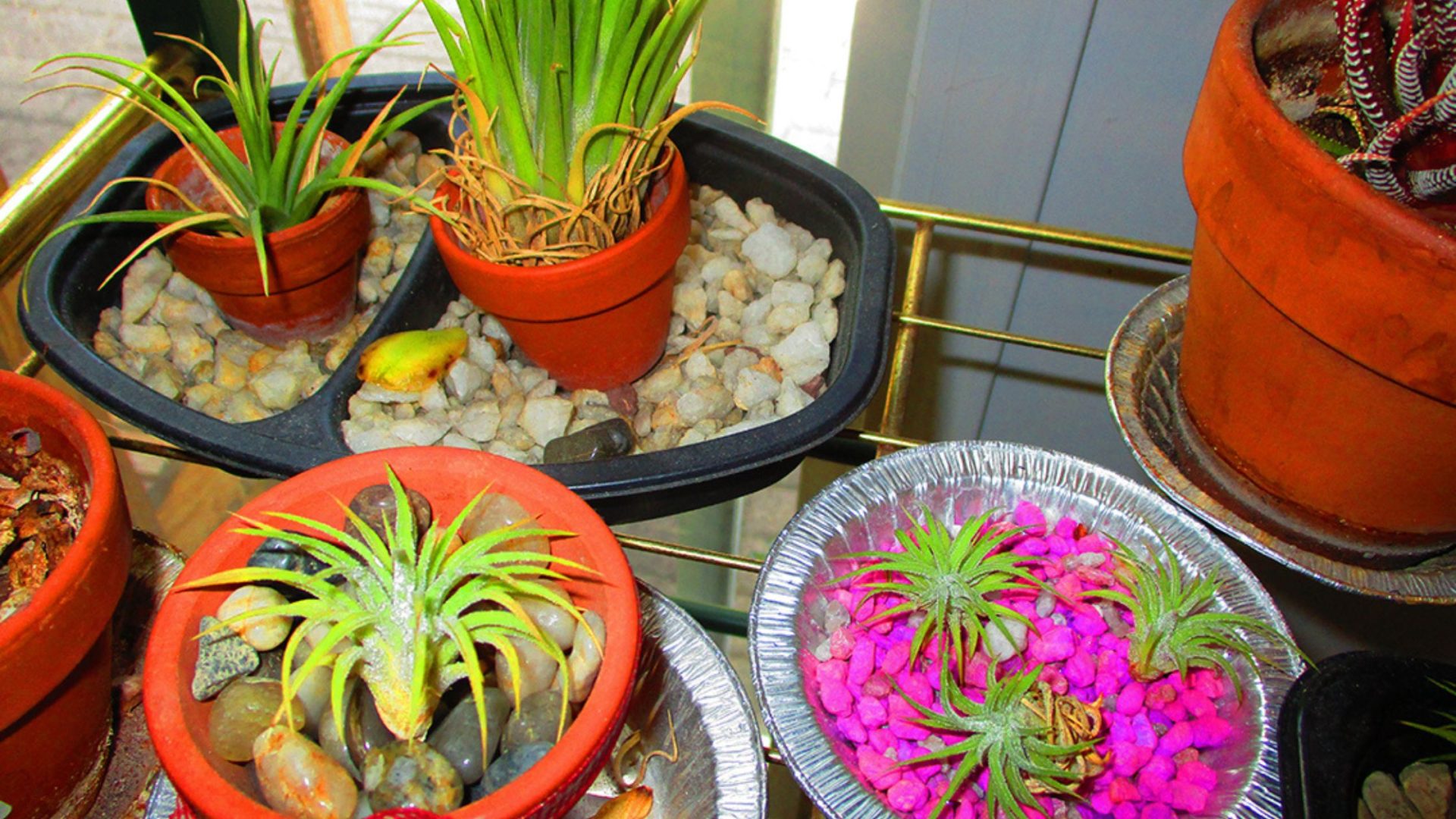
Top image: Finger Lakes-based gardening author and blogger says this selection of air plants lives among potted houseplants on two plant racks near the back slider, where they can get plenty of sunlight. The tall air plant in the back row center is one of the two original air plants he bought in the mid-1980s, and it’s still thriving.