
Getting older is a natural part of life — both for us and for our dogs. And while modern medicine continues to advance at lightning speed, canine health and longevity experts are increasingly turning to natural remedies to help dogs stay healthy and active well into their senior years. With brain games to support cognitive health, fresh food to promote healing, and movement as medicine, anti-aging for your pooch can be as simple as getting back to basics.
Here, four natural dog care experts share their strategies for helping dogs live longer, healthier lives.
Incorporate Fresh Food
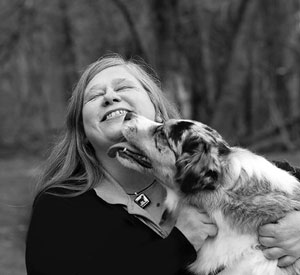
While people are often told not to feed dogs “table food,” Albany-based integrative veterinarian Dr. Laurie Coger, founder of The Healthy Dog Workshop, says the exact opposite is actually true: “Thoughtfully chosen fresh foods are a healthy addition to your dog’s diet.”
Coger, who founded Albany’s Healthy Dog Expo, and is now reimagining the event as a master class for 2026, says fresh food is one of the most common things she discusses in her consultations, noting, “You can get started by feeding a small amount of gently cooked meats and/or steamed vegetables such as broccoli, carrots or green beans.”
She adds that fresh food should replace just 10% of your pet’s regular food. “If your dog enjoys these additions, you may want to pursue a completely home-prepared diet,” she says. “However, it’s vital that you have a nutritionally complete recipe.” Coger’s website offers advice for creating a healthy and balanced fresh-food diet for your dog.
Movement is Key

Movement is one of the best ways to keep your dog healthy, according to canine rehabilitation and conditioning expert Dr. Debbie Torraca, founder of Wizard of Paws Physical Rehabilitation for Animals, a Connecticut-based veterinary office that offers virtual consultations. She cites regular walks as essential to dogs’ health and well-being, noting, “It sounds simple, but regular walks help with enrichment on so many levels.”
She continues: “Most people believe dogs should have less mobility when they’re older, but the appropriate amount of walking — short and frequent — will help with mental and physical enrichment.” Additionally, she recommends balance exercises, such as “backing up, weight shifts with the head up, bringing the front feet up to help shift weight on the rear and walking in figure-eight patterns.”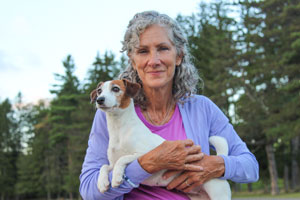
Dr. Heather O’Leary of TessaLoo Veterinary Services in Olivebridge, agrees that movement is a form of medicine, especially for senior pets. Not only is walking good for staying healthy and mobile, but it can also help owners notice any worrisome changes. She advises, “Pay attention to how they move, and if that changes or if their interest changes, get them checked.”
O’Leary recently developed a program to help dog owners identify and address mobility problems to keep dogs strong and active through their senior years.
Yearly Exams
Annual checkups are vital, and Coger says these visits should focus on “proactive and preventative measures, including a physical exam, yearly blood work, heartworm and tick-borne disease testing, and any other necessary testing.”
She notes that flea and tick preventatives can be tailored to your dog’s lifestyle and environment, and recommends minimizing chemical exposure by incorporating yard care and insect-repelling planting strategies to decrease fleas and ticks. Coger also recommends looking at natural, pet- and human-safe pesticide alternatives.
Consider Acupuncture
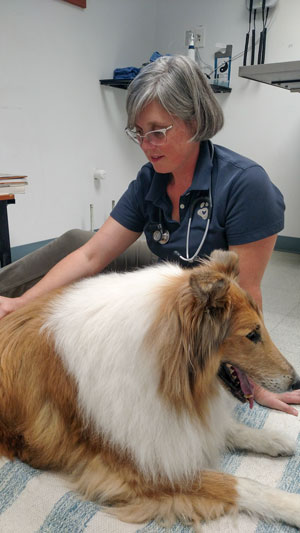
As a veterinarian and certified veterinary acupuncturist, Dr. Jennifer Kareklas of Alternative Veterinary Therapies in Glenmont says, “Acupuncture can benefit everyone.” She explains, “In addition to treating pain and nerve function, there are treatments to reduce inflammation, modulate the immune system, balance hormones, improve digestion and help regulate stress.”
Try Omega-3s
A wealth of supplements can support your dog’s health and longevity, from joint supplements to medicinal mushrooms. But for Kareklas, “The No. 1 supplement I recommend is a high-quality omega-3 fatty acid.” Not all supplements are created equal, she warns, so “Do your research and choose carefully.”
As with human supplements, look for trusted brands, independent third-party certifications and proof of clinical testing. Your holistic vet can help you choose appropriate supplements for your dog.
Stimulate Their Brains
If you’ve ever had your doctor suggest Sudoku to keep your mind sharp, you know the power of mental stimulation. Dogs love games and puzzles, too, and games that stimulate their brains can promote better health and longevity.
Coger recommends incorporating indoor activities such as hunting for hidden treats, playing puzzle games or learning tricks. Local training centers also offer classes in nosework, agility, therapy dog training or Canine Good Citizen certification through the American Kennel Club.
For dogs with mobility issues, brain games are equally critical. Kareklas notes, “If they have mobility issues, you can still work on puzzles, stretches, exercises and training to stimulate their brain. Take them outside and be patient while they sniff around, or create an indoor obstacle course.”
Quality Time
While dog care can be expensive, sometimes the best things in life really are free. O’Leary maintains that what dogs need most is your time, attention and calm presence. “If I could recommend just one thing,” she says, “it would be to spend quality time with your dog … preferably outside. Sunlight is healing. Natural earth is healing. And going for a walk with your dog is not only good for them, it’s absolutely free. Never lose sight of the importance of that,” she advises. “Quality time together … that’s what matters most.”