
If you’re still planting flowers you can’t eat, you’re missing the tastiest trend in gardening. The term “edimentals” — coined by author Stephen Barstow in his book Around the World in 80 Plants: An Edible Perennial Vegetable Adventure for Temperate Climates — is used to describe plants that serve a dual purpose, seamlessly blending beauty and functionality into your garden. Edimentals encompass a broad spectrum of plants, including fruit trees, flowering crops, pretty herbs and even evergreens.
Edimentals aren’t some fussy trend that will require uprooting your existing flower beds or turning over the soil to make new ones. One of the key ideas behind edimentals is that they can be integrated directly into existing gardens. And because edimentals are usually resilient, perennial plants, they also require far less maintenance than a typical vegetable garden. As if that weren’t enough, many native varieties of edimentals are also valuable resources for local pollinators.
The absolute best part about edimentals? Many of them are probably already growing, untasted, in your yard right now.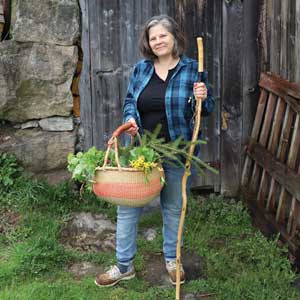
To get a better idea of which edimentals grow well in our neck of the woods, we reached out to Heather Flournoy, a local herbalist and avid forager who has over 25 years of experience in seeking out, cultivating, teaching about — and eating — all kinds of plants. She shares her seemingly infinite plant lore with people through Wild Roots, an initiative of D.I.G. Farm in North Salem, New York, and Wild Nearby, a group she founded to spread awareness of the amazing riches that grow naturally all around us.
When we spoke in late April, Flournoy was getting excited for the bounty of springtime that was just around the corner. “This property came with five big, really old lilac stands. I can’t wait for them to bloom because I’ll start making tea. [Lilacs] make this wonderful tea … lilac water, lilac honey … anything I can get that scent in.”
Not all edimentals taste like something you could wear as perfume, although that does have a certain kind of appeal. Many edimentals — like nasturtium, with its peppery blossoms — make intriguing additions to salads. Others are commonly added to desserts or stir-fries.
Before you go harvesting half of your yard for tonight’s dinner, Flournoy advises that you really need to make sure you know what you’re picking, as many landscaping plants aren’t edimentals. “Well,” she jokes, “you could eat them once…”
To properly identify which plants are safe to eat, Flournoy recommends consulting with a master gardener, like those with the Cornell Cooperative Extension.
The following plants grow well in our zone, and will make great additions to any garden — but before you start eating right out of the yard, there are a few things to consider: First, make sure your landscaping hasn’t been treated with pesticides or chemical weed killers. Second, before eating any plant, make sure you’ve identified it properly. Many edimentals have toxic look-alikes that can be difficult for the untrained eye to distinguish.
Lamb’s Ear
Beautiful soft, fuzzy, silvery leaves and cheerful, purple flowers add bright contrast to any garden. According to author Barstow’s blog, lamb’s ear leaves are delicious when battered and fried Milanese-style, but you can also use the young leaves in teas, omelets, pastas and salads.
Magnolia
The petals of magnolia flowers are known for their unique, spicy flavor, and pickled magnolia flower buds have been compared to pickled ginger.
Common Lilac
As Flournoy explained, lilac blossoms can be used to make a fragrant and flavorful tea, but you can also infuse sugar, syrup or cream with lilac blossoms to use in desserts and cocktails. She cautions that if you boil them, the scent will disappear. They’re edible on their own as well, and have a mild, floral, slightly lemony taste. Be wary of look-alikes: Other varieties of lilacs look similar but are definitely toxic.
Forsythia
One of the first shrubs to herald spring, the yellow blooms of forsythia can be used raw in salads, as a garnish, or made into syrup, jelly or tea.
Echinacea
Echinacea (or purple coneflower) is a staple in most gardens, mainly because it’s really easy to cultivate. In addition to being a beautiful flower beloved by pollinators, several parts of the plant are edible as well. The petals have a mild, slightly sweet flavor and are beautiful in salads, and the leaves and stems can be incorporated into various dishes or teas.
Goldenrod
Not only do goldenrod’s brilliant yellow blooms make a delicious tea, but the shoots and young growing tips are actually a vegetable that you can harvest in decent enough quantities to eat. The young shoots and tips have a relatively strong flavor that some have compared to the herbaceous taste of celery, and goldenrod leaves can be used like spinach, as well.
Herbs
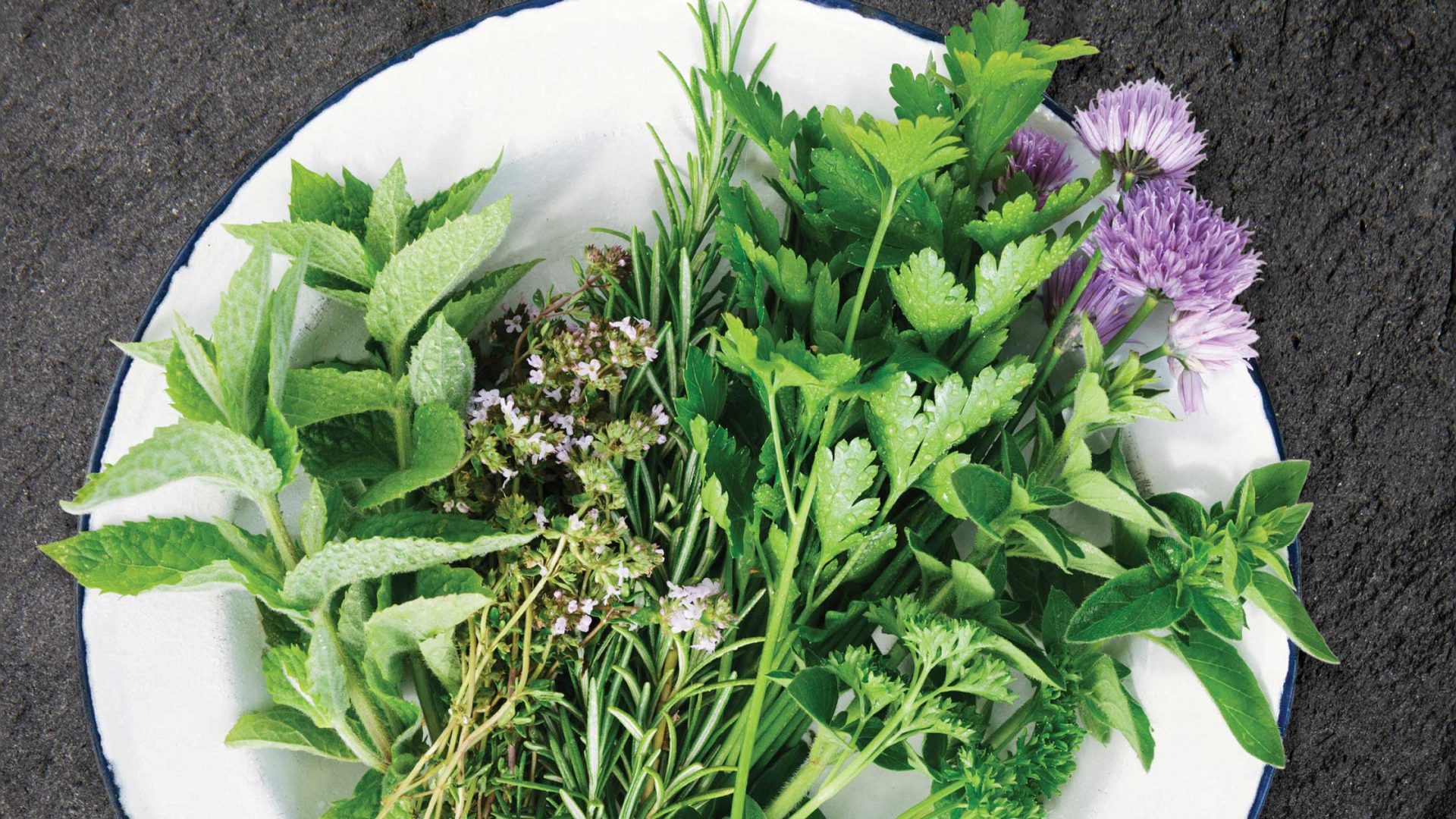
Most herbs are fantastic edimentals. Because you don’t need much space for them to thrive, they’re easy, low-maintenance plants, and they can be added to just about anything for a burst of fresh flavor. Some examples: rosemary is a lovely evergreen choice that can grow upright into a statement plant or be trimmed into a bushy hedge; thyme plants are great for making a soft, bee-friendly garden border; lavender has many culinary uses in addition to its delightful aroma; and purple basil will add a bright pop of color anywhere you put it.
Daylilies
Not many people know that daylilies (and, in particular, tiger lilies, which are native to upstate New York), are edible. Daylily flower buds taste like a cross between asparagus and green peas, and are delicious sautéed or steamed, while the flowers and young shoots can be enjoyed raw. The petals of the blossoms make an intriguing addition to salads and sandwiches, too. Flournoy lamented that so many people are missing out on the opportunity to harvest and eat the blooms. “You can pick the flowers everyday. They only live for one day; people don’t realize this — they don’t want to pick them because it’ll ruin their beauty — but they’re going to dissolve by the next day anyway.”
Sweet Violets
Evergreens
Evergreens — like white pine, eastern pine and spruces — are everywhere, and you may be surprised at how much of them can be eaten. Flournoy listed a slew of ideas: “In some areas of the world, the pollen is really prized. The buds, when they’re tight, can be pickled, or they can be made into a jam. Flournoy is careful to warn people that just about all the evergreens are edible in our area except for yew. “I always teach people this first, because it’s all over and commonly used in plantings around public buildings, and it’s a very toxic plant,” she says.