
The Outer Banks of North Carolina may be best known for its stunning beaches and sprawling vacation homes, but this unique coastal region has so much more to offer. Beyond the sand and surf, visitors can explore a rich history filled with tales of pirates, shipwrecks, and aviation pioneers. Charming small towns, wild horses roaming the dunes, and a thriving local food scene add to the area’s distinctive character. Whether you’re an adventure junkie, history buff, or nature enthusiast, the OBX (as it’s affectionately known) can offer an experience beyond the typical beach getaway.
Off-Season Adventures
Once considered to be only a summer vacation destination, the Outer Banks has transformed into more of a year-round place for sightseers and tourists to explore. From mid-November until mid-March, the weather may be cooler, but the crowds are smaller and the rental prices are much cheaper. Winter temperatures usually hover near 60℉ during the day — making it too cool for a dip in the Atlantic — but these beach towns offer plenty of other opportunities for fun.
Beachcombing
According to the Kitty Hawk Kites blog (a popular retailer’s website and excellent reference for potential visitors), beachcombing is often more fruitful in the off-season than the summertime. Thanks to winter weather patterns the ocean is more active this time of year, causing plenty of interesting treasures to wash ashore. Plus, you’ll also have less competition as you walk the sands trying to spot the perfect seashell.
The Outer Banks’ unique geographical location with its close proximity to both the Gulf Stream Current and the Labrador Current means that you can find all kinds of one-of-a-kind shells throughout the year. The Outer Banks’ Official Visitors’ Guide claims that the “north” facing beaches located above Cape Point in Buxton generally attract colder water shells, while the “south” facing beaches located South of Hatteras Island’s hook back towards the mainland (at Cape Point) can attract shells usually found from North Carolina to Florida. Ocracoke Island, one of the OBX’s southernmost points, was even ranked one of the best shelling beaches in the country on Southern Living magazine’s list, second only to the seashell Mecca, Sanibel Island, Florida.
Avid shell-hunters already know that certain types of shells are more prized than others, for their rarity, beauty, or just due to personal preference. (This guide offers some helpful information and advice on what kinds of shells you can expect to find, as well as the best local shelling spots.) If you’ve never competitively beachcombed with your friends and family, you might be surprised how addictive it can be.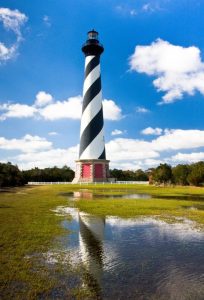
Lighthouses
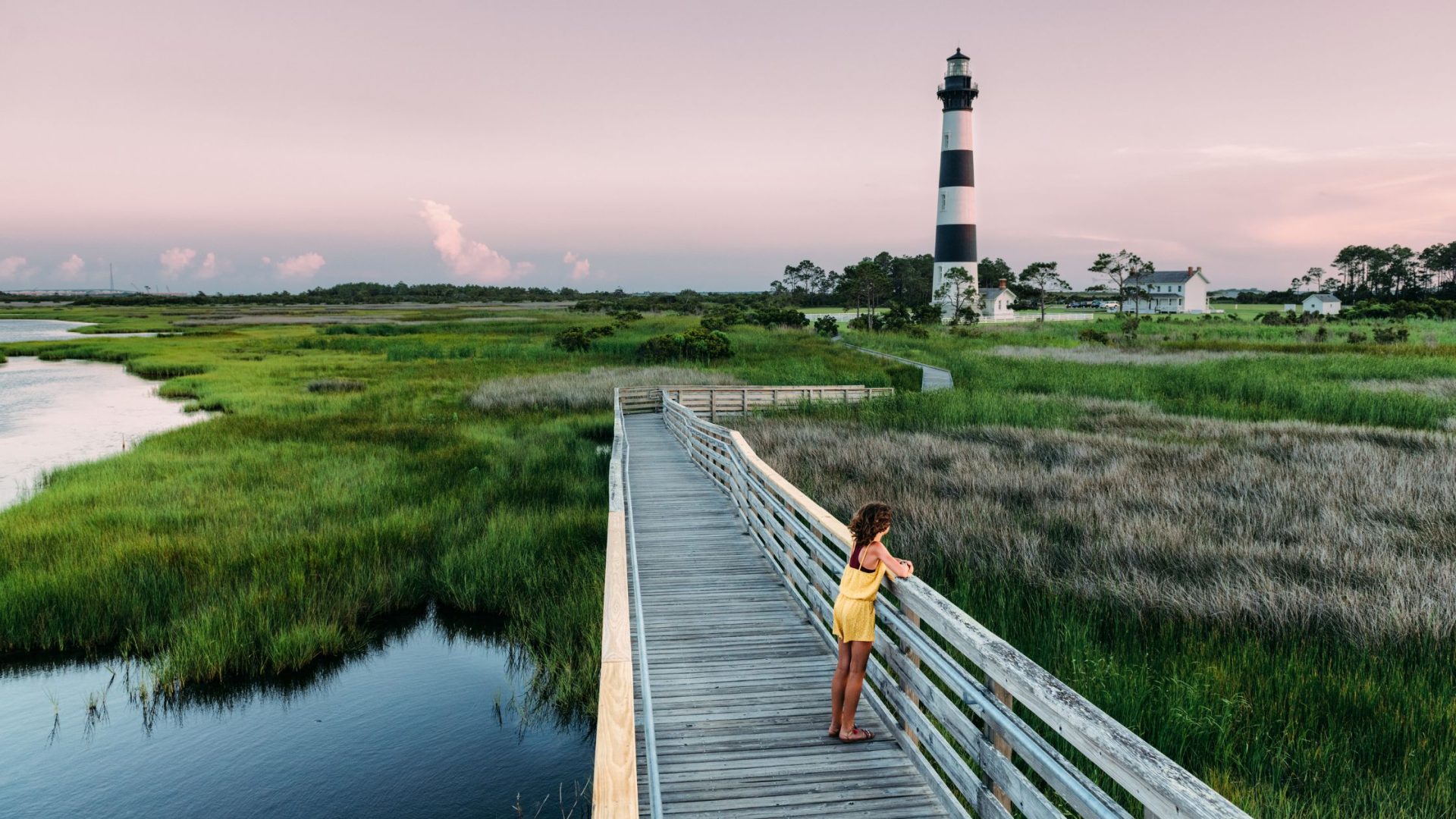
If you’ve ever seen a postcard from the Outer Banks, nine times out of ten it will feature one of its many distinctive historic lighthouses. Although the lighthouses themselves are usually only open to climb from mid-March until late November, (and the gift shops are seasonal, too) the grounds surrounding them are often well worth exploring if you enjoy a beautiful walk. Currituck Beach Lighthouse, Cape Hatteras Lighthouse, Bodie Island Lighthouse, and Roanoke Marshes Light Lighthouse are all considered must-sees during the warmer months, but can be equally impressive off-season.
North Carolina Aquarium on Roanoke Island
Aquariums can often seem rather cookie cutter. And the North Carolina Aquarium on Roanoke Island has many of the exhibits you might expect — playful otters, a variety of local and tropical fish, a touch tank. But what sets this aquarium apart from some others is its newest attraction: the Sea Turtle Assistance and Rehabilitation (STAR) Center, which opened in 2014. The 3,000 sq. ft expansion has provided state-of-the-art facilities for staff and volunteers to care for sick and ailing sea turtles. Visitors are allowed to see the turtle patients through viewing windows on their tanks and hear their inspiring recovery stories from the people who care for them each day.
The beauty of visiting this aquarium in the off-season is that you can avoid the press of the crowds almost entirely, as reviewers report that even shoulder season visitors will more or less enjoy the complex all to themselves. 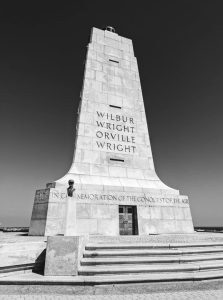
Wright Brothers National Memorial
Part historical monument, part museum, part park, the Wright Brothers National Monument in Kill Devil Hills is a fascinating tribute to aviation. The monument itself, as well as the Visitors’ Center and The Centennial of Flight museum are all located within a 428-acre park, complete with relics and reproductions of important inventions demonstrating the origin of flight. Unlike some other attractions on the Outer Banks, the Wright Brothers Memorial and museums are open year-round, making them perfect to explore without suffering the summer heat.
Jockey’s Ridge State Park
Jockey’s Ridge State Park is home to the tallest series of natural sand dunes on the East Coast, and offers some of the most scenic outdoor activities any visitor could desire. You can choose to walk the extensive system of nature trails, hike to the top of the dunes to take in the impressive view, kayak or paddleboard in the sound, or simply sit and watch as adrenaline junkies take advantage of the perfect windy conditions to try their hands at sand boarding and hang gliding.
Jennette’s Pier in Nags Head
If anyone in your group loves to fish, Jennette’s Pier cannot be missed. Located in Nags Head at milepost 16.5, the pier stretches 1,000 feet offshore and offers some of the best fishing conditions on the East Coast. Enthusiasts have been known to catch massive trout, skate, dogfish, and more, while non-fisherman can sit on the shore watching dolphins swim by or admire some of the local aquatic residents in a small on-site aquarium.
Featured image: photo by by ferrantraite from Getty Images