
Snow Birds
During winter in the Northeast, some species, known as “snow birds,” migrate to areas in the country with warmer climates. They pack up their nests and fly south or west.
But they aren’t actual birds at all.
For those of us who stay put when the snow flies in the Capital Region, the concept of “snowbirds” takes on a whole new meaning, with some 40 species of feathered friends regularly inhabiting New York’s backyards during the colder months.
“The winter gives an aura of everything being locked down,” said Damon Russo, an avid birder and member of the Audubon Society of the Capital Region. “But things come alive in the winter, and we don’t realize it.”
For area bird-watchers from organizations like the Audubon Society of the Capital Region, Southern Adirondack Audubon Society or Hudson-Mohawk Bird Club, a bright, sunny winter day can provide the setting for ornithological theater. 
“The most interesting thing about bird-watching in the winter is that you never really know what you’re going to see,” Russo continued. “Everyone assumes there is not much around, but you have to remember nothing is on the trees and that makes viewing a lot easier.”
Members of bird-watching clubs see a beautiful coat of snow covering the backyards of Saratoga, Chatham, Schenectady, Glens Falls, Clifton Park and other areas, as an opportunity to spy birds they may not get a chance to view when the weather is warm and the trees are full of leaves.
Many species don’t migrate far, and they are some of your most common backyard birds. Capital Region backyards will be filled most days with bright red northern cardinals, black-capped chickadees, blue jays — the most commonly identified backyard bird in the United States — as well as Carolina wrens, sparrows, finches, eastern bluebirds and woodpeckers, which all stay in the north year-round. Usually, birds with large populations stay through the winter because they know where the food is.
For John Loz, programs chair and past president of the Southern Adirondack Audubon Society, and Bob Reilly, a member of the Hudson-Mohawk Bird Club, the dark-eyed junco is one of their favorite backyard birds.
“They are very cute, ground-feeding birds that don’t get scared away as easily, since they feed below the various bird pecking order drama that can happen around the bird feeders above them,” Loz said.
“In the wintertime the dark-eyed junco move down from the Adirondack Mountains to the valleys,” Reilly added. “It’s also a good time of year to see woodpeckers.”
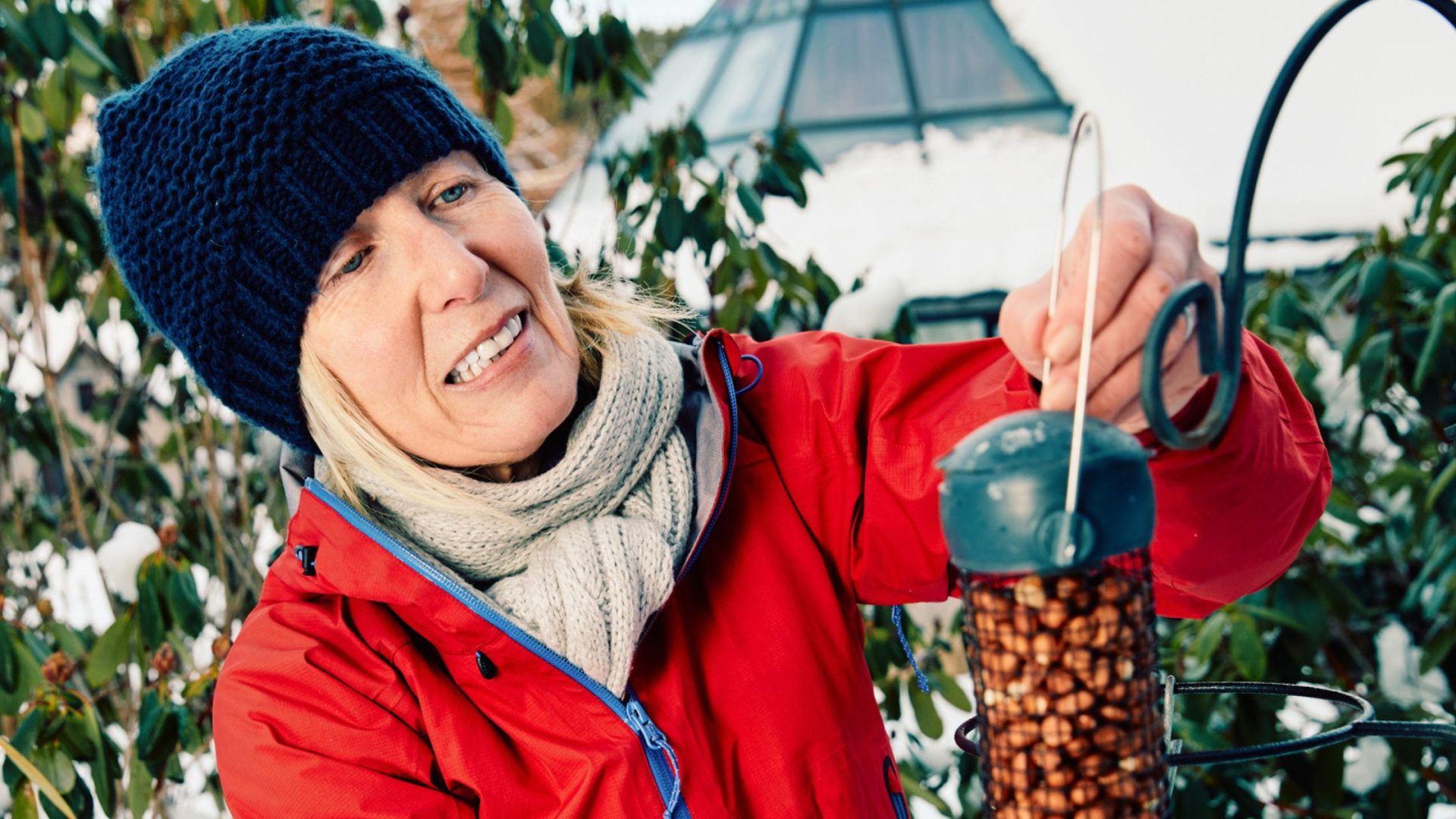
Bird-watchers will do well to attract birds in the winter months by making sure their feeders are stocked with seeds. Birds recognize feeders as a food source. Backyard bird-watchers should stay frequent with feeding and not get discouraged by some of the bigger birds — blue jays, in particular — bullying smaller birds. The other most important thing to do is keep feeders clean.
“Bird feeders should also be within three to 30 feet from windows in order to help prevent bird/window collisions,” Loz cautioned. “Also, because bears are hibernating, I’m able to put out more feeders that I ordinarily would not have out during other seasons.”
Winter bird-watching can easily be done from the comfort of a window, but for those who want to also commune with nature and others, it’s important to plan for the elements. Even in your own backyard, winter birding will turn sour if you aren’t properly dressed and prepared for the cold.
It’s also important to understand that birds are working hard foraging for food, so noisy humans should take care not to disturb them while trying to get a closer look. The experts recommend staying on trails and using binoculars or cameras to observe from afar.
Birders also have another reason to continue their hobby in the wintertime. “It’s important to get out during all times of the year because the birds are going to look different … you have to learn more about their plumage for when you see that same bird in another season of the year,” said Reilly.
Beyond dressing properly for the elements, winter birding requires the same tools as any other time of year — good eyes and ears, quiet voices, binoculars and a bird guide to help watchers record the sights and sounds of the day’s adventures. Whether birding from a nature trail or from your living room or backyard, winter birding offers a distinct view of the snow birds that stay put in the region during the colder months.
Common Backyard Birds
- American goldfinch: This small state bird of New Jersey, Iowa and Washington is a common sight at backyard bird feeders throughout North America, where it thrives on sunflower and thistle seed.
- Blue jay: In winter backyards, this large songbird with a perky crest and blue, white and black plumage is often seen “bullying” smaller birds away from feeders. Easily recognizable, blue jays prefer tray feeders and hopper feeders filled with peanuts, sunflower seeds and suet, rather than hanging feeders.
- North American cardinal: The bright red plumage of the male North American cardinal and the duller brown of females, with their distinctive sharp crest and inviting shade of red accents, are unmistakable and set these backyard favorites apart — especially in the snowy winter season.
- White-throated sparrow: Distinctive facial markings of black eyestripe, a white crown and supercilium (eyebrow), yellow lores (the skin between the eye and bill) and a white throat bordered by a black whisker, make this mostly Canadian bird a familiar and exciting sight in eastern winter backyards south of the Canadian border.
- White-breasted nuthatch: A common sight at backyard feeders, these clean, black, gray and white birds are active and agile, especially when jockeying for food at feeders.
Top image: iStockphoto.com/Peter Burnett.