


Winter travel tends to split into two distinct camps: those who lean into the season and those who happily leave it behind. Some travelers enjoy bundling up to chase winter wonders like snow-dusted landscapes, cozy lodges and outdoor adventures best enjoyed in crisp air. Others see the colder months as the perfect excuse to flee to warmer climes, trading heavy coats for flip-flops, sunshine and a tropical drink.
Whichever path you choose, traveling now might allow you to take advantage of off-peak perks and seasonal rates while enjoying the getaway of your choosing. Here are a few ideas:
Camp 1: The Frozen Embrace of Winter
Antarctica
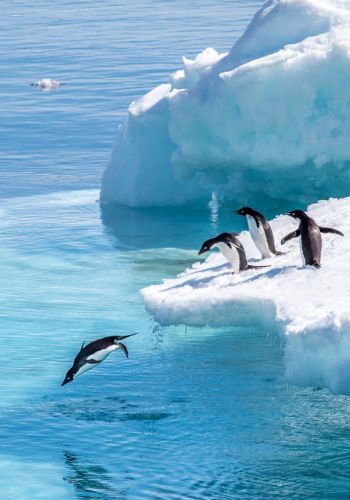
Antarctica is definitely a bucket-list destination, but you don’t have to be Ernest Shackleton to take an expedition to the frozen continent. (Actually, it would be infinitely better not to emulate Shackleton and his disastrous Endurance endeavors, which are practically required reading prior to your trip.)
Modern expedition cruises are designed with comfort and safety in mind, making the journey far more accessible than you might expect, with expert guides handling the logistics while you focus on soaking it all in. That said, travel to the Antarctic is not for the timid. Expeditions to the region require potentially rough sea crossings through the Drake Passage, with no guarantee that you’ll be able to make a landing. (Travel blogger Jenny McIver of Round The World In 30 Days found that only 60% of expeditions are able to set foot on the continent.)
A more recent option growing in popularity is to fly in from Punta Arenas, Chile, thus avoiding the high potential for seasickness and aborted landings.
However you get there, it seems clear that the towering blue glaciers, vast silence broken only by crackling ice, and wildlife encounters so close they almost feel surreal all make the arduous journey worthwhile.
Best Time to Visit: Technically the only time you can visit is December through February, which is summertime in the Southern Hemisphere.
Lapland, Finland
If you haven’t been able to catch a glimpse of the Northern Lights in the United States, a visit to the “Northern Lights Belt” is a must. If you can plan a trip to Lapland between the months of October and March, the near-total darkness means you’ll have more time to witness them against the night sky.
But Lapland is more than just the Aurora Borealis. You can go on outdoor adventures, like a sledding safari pulled by reindeer or huskies, or enjoy cross-country skiing or snowshoeing and then warm up in a traditional sauna.
However, all the travel blogs agree that one of the coolest (pun intended) opportunities when visiting Lapland is to stay in some of the world’s most fascinating overnight accommodations. There are literal ice hotels built entirely of ice, a snow village, heated igloos, and unique cabins like the Aurora Pyramids.
Best Time to Visit: December through February offers you the best shot at seeing the lights and enjoying a thoroughly wintery wonderland.
Camp 2: Beating Back the Winter Blues
It’s hardly surprising that there are more “escape” options when it comes to winter travel. (I don’t know about you, but no amount of thermal underwear or heated mittens will be enough to persuade me to seek out the cold on purpose… except to see penguins. Maybe.) 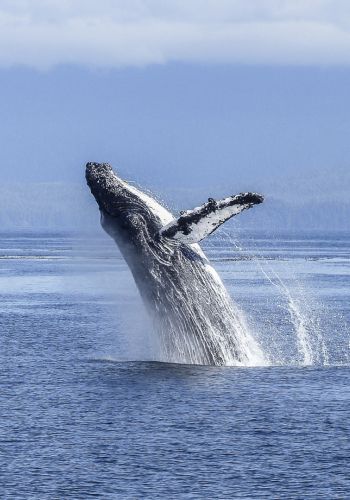
Maui, Hawaii
Although there isn’t really a bad time of year to visit Maui, many people insist that the best time to go is in the middle of winter. The weather is comfortably warm without the intense summer heat, so beachfront walks, exploring upcountry farms and the scenic Road to Hana are more enjoyable.
Winter is also peak whale-watching season, when humpback whales migrate to Maui’s waters and can often be spotted right from shore — a truly unforgettable, bucket-list experience.
Best Time to Visit: Anytime, really, although humpback whale migration season is in January and February.
U.S. Virgin Islands
Peak season for the U.S. Virgin Islands is from December through March, for good reason. The trade winds bring perfect beach weather to the islands — sunny days and low humidity, with delightfully breezy evenings. You can snorkel in crystal-clear, turquoise waters, tour historic towns like Charlotte Amalie and Christiansted, or avoid the crowds by exploring quieter beaches and neighborhoods like Salt Pond Bay, Francis Bay and Frederiksted.
On St. Croix, in particular, Carnival celebrations run throughout January, featuring parades, live music and a general air of celebration. And to take advantage of the influx of tourists, there are plenty of art fairs, sailing regattas, food festivals and live music events across the islands.
Best Time to Visit: From December through April you can enjoy island life, no passport required.
Top image: RuslanGuzov from Getty Images Pro, via Canva.com