

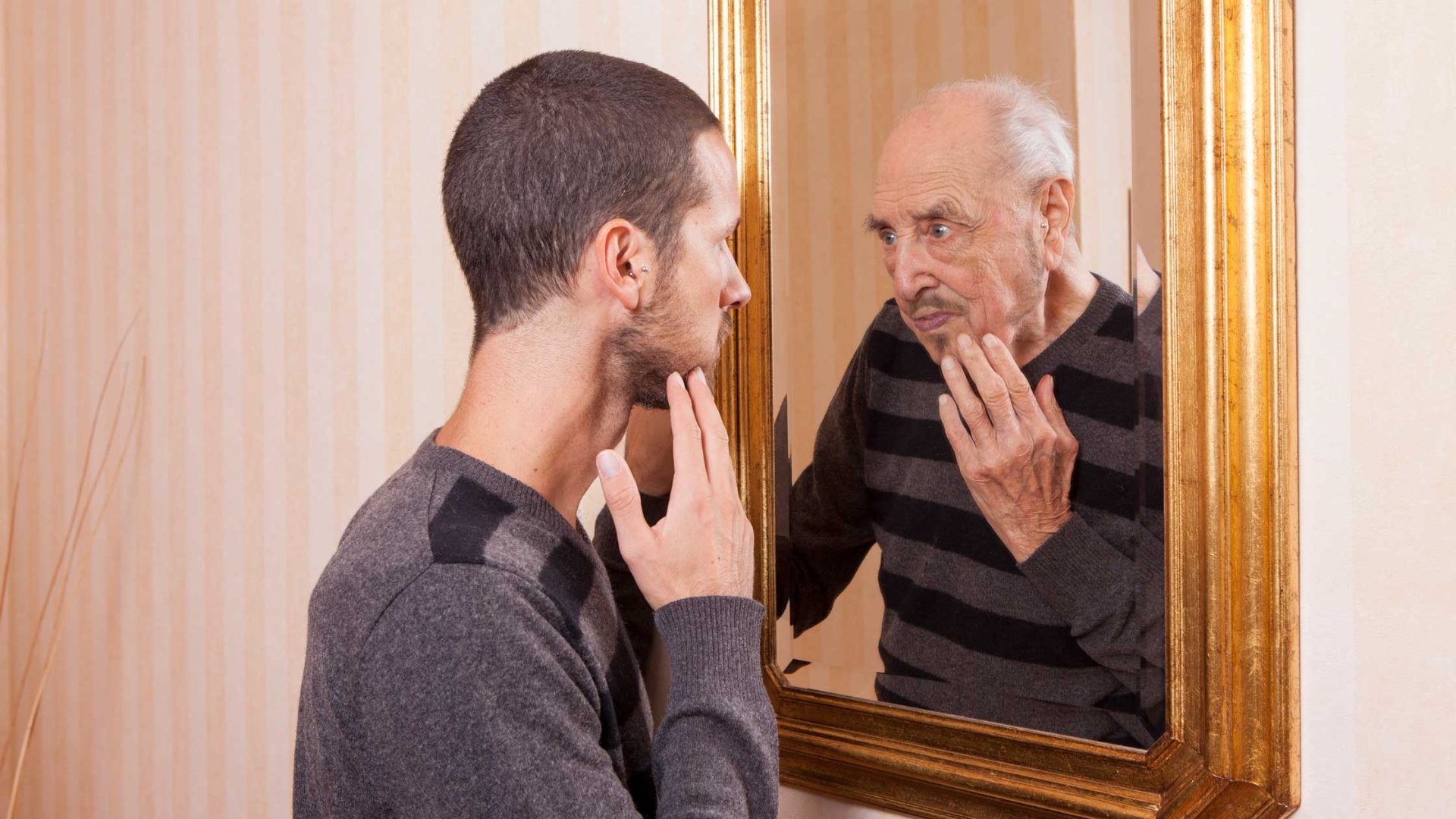
Fatigue, low motivation and declining testosterone are fueling new conversations about “male menopause”
The quest for a youth elixir that could grant immortality or reverse aging is as old as humans. The ancient Sumerian poem “The Epic of Gilgamesh,” written nearly 5,000 years ago, centers around a thorny plant known as sibu issahir amelu, which translates to “the old man will be made young.” The plant is not easy to obtain: It grows at the bottom of the ocean, requiring Gilgamesh to attach stones to his ankles and sink deep into the abyss.
This ancient longing for a youth potion is paralleled today by a new rejuvenation craze known as TRT, or testosterone replacement therapy — a treatment for symptoms of declining testosterone in men such as fatigue, low sex drive, loss of muscle mass, mood changes, brain fog and reduced motivation.
“The effects can be transformative,” says Dr. Anita Petruzzelli, a physician who specializes in hormone replacement therapy and directs BodyLogicMD in Glastonbury, Connecticut. “We have older men who used to need a nap to get through the day who are now chasing around their grandchildren. They’re going to the gym again and participating in all sorts of activities they didn’t have the energy to do before. They say they feel young again.”
The New York Times calls it “the testosterone moment,” noting in a recent article that TRT has skyrocketed, growing to nearly 12 million prescriptions in 2025 from fewer than 1 million in 2000. υ
But while many men report improvements in energy, mood and libido with TRT, experts caution that it is not risk-free and that prescribing doctors should monitor patients closely for potential side effects.
“You’ve seen the ads. You’ve heard the hype. But testosterone supplements aren’t the anti-aging cure-alls that they’re marketed as,” writes the Endocrine Society in its patient guide, “The Truth About Testosterone Treatments,” adding, “The use of doctor-prescribed testosterone replacement therapy, however, is safe and can be effective for men who are diagnosed with consistently abnormal low testosterone production and symptoms.”
Still, a Google search of “testosterone” returns dozens of online as well as brick-and-mortar clinics talking about the dreaded “low T,” each offering a fix in the form of a topical cream, pellet, patch or most popularly, injections. Then, there are celebrities, fitness and social media influencers touting testosterone as part of an anti-aging protocol.
Interestingly, today’s testosterone craze has echoes of the past. Before the advent of modern endocrinology, so-called “rejuvenists” attempted to reverse aging using animal glands and primitive electrotherapy. A bizarre fad in the 1920s, popularized by French surgeon Serge Voronoff, involved grafting thin slices of monkey testicles into wealthy older men to restore vitality. Arthur Conan Doyle took up the topic in one of his best-known Sherlock Holmes short stories, “The Adventure of the Creeping Man,” in which an aging professor about to marry a younger woman takes a rejuvenation serum derived from the glands of langurs (Himalayan monkeys). Unfortunately, the serum triggers a horrifying regression, turning him into an apelike creature.
Meanwhile, Adolf Hitler took injections containing extracts from bulls’ testicles and bull semen to boost his libido and help create a more manly figure in public. The Führer also injected testosterone, first synthesized in the 1930s by the Nazi chemist Adolf Butenandt, who won a Nobel prize for his research. Butenandt worked with the German pharmaceutical giant Schering AG (now part of Bayer), which developed the first commercial synthetic testosterone.
Whether the steroids were given to German soldiers to increase their aggressiveness and strength is a matter of debate. However, we do know that Schering’s U.S. affiliate, the Schering Corporation, funded the work of American scientists Carl Heller and Gordon Myers, known for coining the expression “male menopause” to characterize a range of symptoms in male aging attributed to the decline in testosterone production, in some cases referred to as “hypogonadism.” Not surprisingly, Heller and Myers recommended regular testosterone injections to counteract this decline.
In the 1980s and ’90s, testosterone, an anabolic steroid, took a hit with the highly publicized doping scandals involving various athletes, notably cyclist Lance Armstrong, a multiple Tour de France winner, who was stripped of all his medals.
There was also the negative publicity from studies implying a link between testosterone and prostate cancer and cardiovascular risks, prompting the FDA in 2015 to require updated warning labels about an increased risk of heart attack and stroke and to narrow its approved use to men with medically confirmed low testosterone. More recent, larger studies have helped ease some of those concerns, and in 2025 the FDA updated the labeling again to reflect the newer evidence and soften earlier language around major cardiovascular risks.
“It’s made a real difference,” Petruzzelli said of the FDA’s removal of the stronger risk language related to major cardiovascular events.
Hypogonadism, the medical name for low testosterone, is typically diagnosed when blood testosterone level falls below 300 nanograms per deciliter. But Petruzzelli said there’s not a one-size-fits-all number. “I’ve treated men with a level of 450 ng/dl or slightly below. They might say they’re working out and just not seeing the gains they expect. Others complain of low energy and fatigue as well as a loss in muscle tone and decreased sex drive,” she said.
Injections seemed to be the most popular treatment, Petruzzelli said — usually two per day, with results showing up in two weeks to a month. TRT patients are largely men 55 and older, she said, but there are also some in their 30s.
While there’s been a lot of progress around men opening up and discussing their feelings, there still seems to be a stigma surrounding low T, as many men avoid discussing symptoms like fatigue, low libido or mood changes, fearing it brands them as weak.
Nick Pappadapalous, a Manhattan-based executive coach who’s been running men’s groups for the past 20 years, said the subject almost never comes up. “It’s not that it’s not a problem for men in our groups,” he said. “I’m sure it must be for some. They just don’t talk about it. We’ve had several men in our groups admit to porn addictions, but I can’t remember anyone ever talking about low libido or erectile dysfunction. It’s just not something most men want to talk about with other men.”
As for our hero Gilgamesh, he did manage to pluck the magical sibu plant from its watery locale. But his quest for immortality failed when a serpent stole the rejuvenating plant, leading Gilgamesh eventually to accept his own mortality, cherish the friends around him and work to leave a positive legacy behind.
Top image source: iStockphoto.com/tommasolizzul