

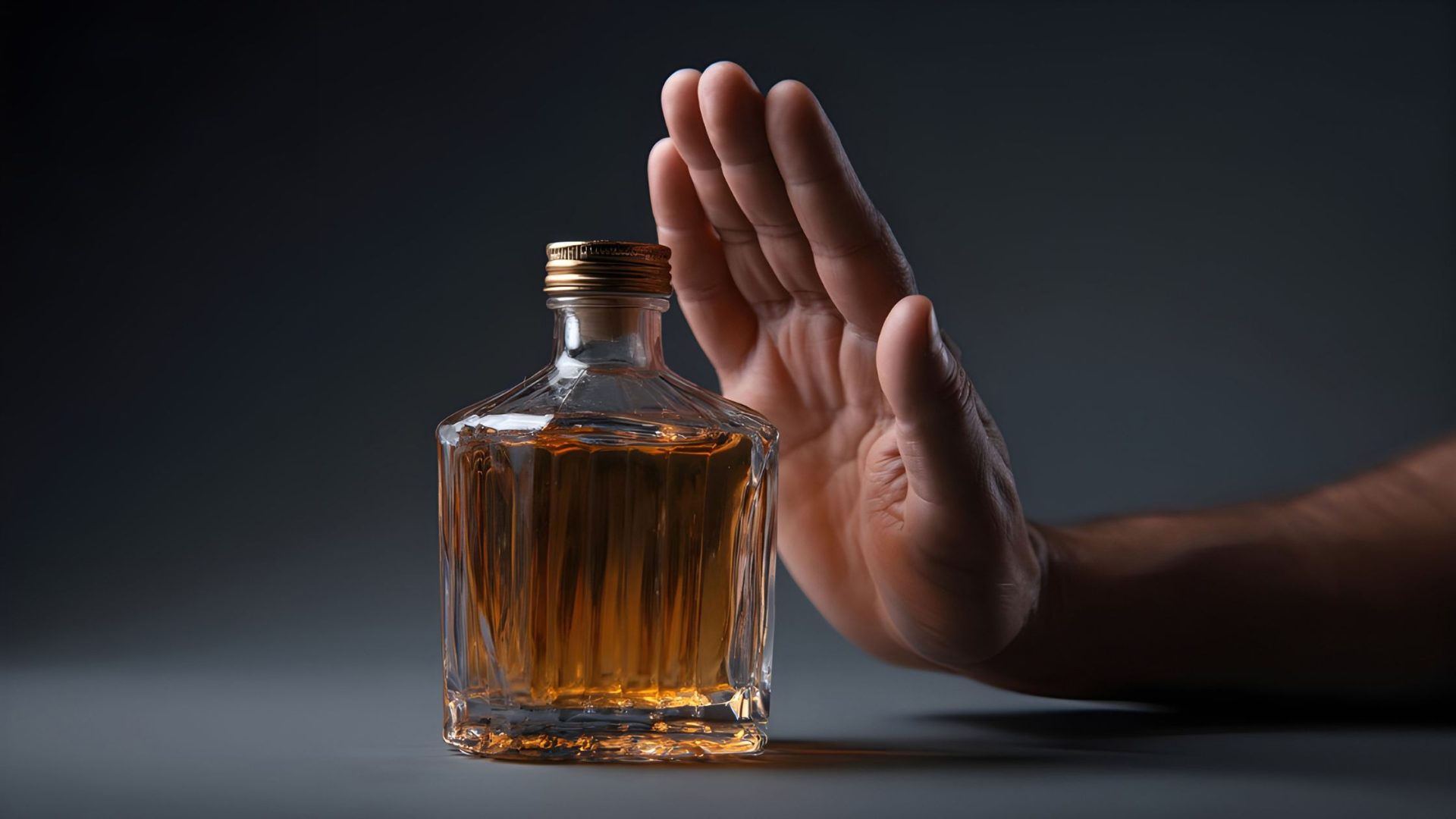
Sober October began in 2014 as a fundraising campaign for Macmillan Cancer Support, a U.K.-based charity that provides support to people living with cancer. While the campaign’s primary goal is raising money, the now-global movement also emphasizes the importance of checking in with yourself about your relationship with alcohol.
Whether you’re joining the fundraising challenge or not, the key is to use the month of October to take a closer look at the impact of alcohol on your life. Some might find the impact to be negligible, while others might benefit from taking the time to step back and notice negative patterns.
Cyndi Turner, a Virginia therapist who co-founded Insight Into Action Therapy and Insight Recovery Centers, told Healthline that not everyone who drinks has a “problem” with alcohol use. “Alcohol use occurs on a spectrum,” she explains, “and recovery doesn’t necessarily mean total abstinence.” However, taking a few weeks to go alcohol-free might be a beneficial first step towards a healthier, happier you.
Alcohol Abstinence Health Benefits
The most obvious health benefit of abstaining from alcohol is dodging any chance of having a hangover in the morning. (And, if you’ve noticed that hangovers get worse as you get older, even though you’re not drinking that much, you’re not imagining it. It’s a thing.)
Aside from avoiding the inevitable headache and foggy brain that accompanies a morning after indulging, your body can benefit from a few weeks without alcohol in several other ways.
“The benefits can vary from person to person depending on how much of a change from their baseline behavior this is,” Rekha B. Kumar, medical director of the American Board of Obesity Medicine, told Healthline. Someone who drinks minimally but abstains from alcohol for a month “might feel a sense of control over their health or feel a sense of accomplishment from achieving a set goal.”
On the other hand, others who drink more heavily “might notice more pronounced physiologic effects, such as more mental clarity, better sleep, weight loss, and feeling the ‘detox’ sensation, in addition to achieving a set goal,” she notes.
Some of the potential health benefits of not drinking for 1 month:
- Weight Loss – Alcohol is loaded with empty calories (calories that provide little to no nutritional value). Additionally, drinking drives weight gain by harming liver function, increasing belly fat, and leading to low quality food choices, worse sleep, and impaired digestion.
- Better sleep – According to the Priory Group, an addiction and recovery organization, after one week of alcohol abstinence you might get an additional five to six REM cycles per night. Better sleep leads to improved learning and problem solving, improved concentration, increased energy, and better decision making
- Less irritability and anxiety – As we all know, alcohol affects the part of your brain that controls inhibitions, leading to feelings of relaxation and increased confidence. But when these effects wear off, the chemical changes in your brain can lead to an increase in anger, depression, or anxiety, regardless of your mood.
- Increased ability to fight off illness (which is especially important this time of year) – Alcohol disrupts immune pathways, impairing the body’s ability to defend against infection.
- Lower cholesterol (and thus lower risk of heart disease)
- Repaired liver damage – According to Healthline, cirrhosis (severe scarring) of the liver happens over time in anyone who drinks “in excess” – which is more than two drinks a day for men, and one a day for women. But, within weeks of “going dry,” positive changes can occur in the liver, allowing it to focus on its other jobs like metabolizing fats and excess hormones, and breaking down toxins that aren’t alcohol.
- Reduced risk of cancer – Alcohol consumption has been linked to multiple cancers, including head and neck, esophageal, liver, breast, and colorectal.
- Reduced menopausal symptoms – Alcohol can make menopause symptoms – like hot flashes, sleeplessness, and mood swings – even worse. No one needs that.
Alternatives That Might Make Sober October Easier
The growing market for delicious, alcohol-free “adult” beverages can make avoiding alcohol much more palatable. If you find that your habits are more about treating yourself to something special in the evening as a way to wind down, an alcohol alternative might be the perfect solution.
Cannabis-Infused Drinks
With recreational marijuana legal in many states across the country, cannabis-infused drinks can be an attractive alternative to alcoholic beverages for people who want to relax or enjoy themselves.
Jessica S. Kruger, clinical associate professor at the University of Buffalo, researches cannabis from a public health perspective, particularly whether THC products might serve as a harm reduction tool. When interviewed by Delish, Kruger raved about THC’s role in reducing alcohol consumption, but admits that these products are still relatively new, and therefore lacking research on their risks, benefits, and long-term impacts. “The short answer is that THC drinks and alcohol carry different risks rather than one being universally ‘safe,’” she says. “But: Alcohol has a much stronger evidence base linking it to liver disease, cancer, cardiovascular disease, pancreatitis, neurologic harm, and a large overall burden of morbidity and mortality.”
Even if drinks containing THC have the potential to be healthier in the long term, they’re not something to use without a degree of caution. In their article comparing the health advantages/disadvantages of cannabis drinks to alcoholic beverages, Harvard Health basically says it might be a case of the old proverb: “better the devil you know than the devil you don’t.” Because of the variety of marijuana amounts, mixtures, and other ingredients different drinks might contain, how an individual might react to each beverage is less certain.
Additionally, some people aren’t aware that unlike alcohol, the onset of effects of ingested THC aren’t immediate. If you drink one cannabis drink and don’t wait long enough to feel the effects before deciding to have more, you can double or triple your THC dose very quickly. “You can go from an experience that’s reasonably pleasant to one that’s not,” Dr. Staci Gruber, associate professor of psychiatry at Harvard Medical School and director of the Marijuana Investigations for Neuroscientific Discovery (MIND) Program at McLean Hospital, told Harvard Health.
Ultimately, if you are interested in trying cannabis-infused drinks, and it is legal for you to do so, Gruber recommends being mindful about controlling the experience until you know how a particular product affects you.
Packaged Non-Alcoholic “Cocktails”
Drinks don’t need to be mood-altering for them to feel like a reward at the end of the day. In addition to cannabis-infused drinks, there’s been a boom of pre-packaged non-alcoholic “cocktails” marketed towards those who want to enjoy the indulgence of drinking without getting drunk… and they’re a long shot away from trying to enjoy an O’Doul’s. (Although we’re definitely giving the side-eye to WhiteClaw’s non-alcoholic line of seltzers. What do they taste like, air?)
CleanCo, for example, has a range of alcohol-free cocktails sold in cans, including a Margarita, Italian Spritz, and even a Mojito. Ritual Zero Proof makes alcohol alternatives designed to be used in mixed drinks, giving all the flavor of gin, for example, without any alcohol. If you’re unsure where to start, Serious Eats magazine reviewed 2026’s best non-alcoholic drinks with categories like “Best Non-Alcoholic Bottled Cocktail for Sharing” and “Best Non-Alcoholic Negroni Alternative.” It’s worth a try.
*Featured image courtesy of Axel Makhalov via CANVA