

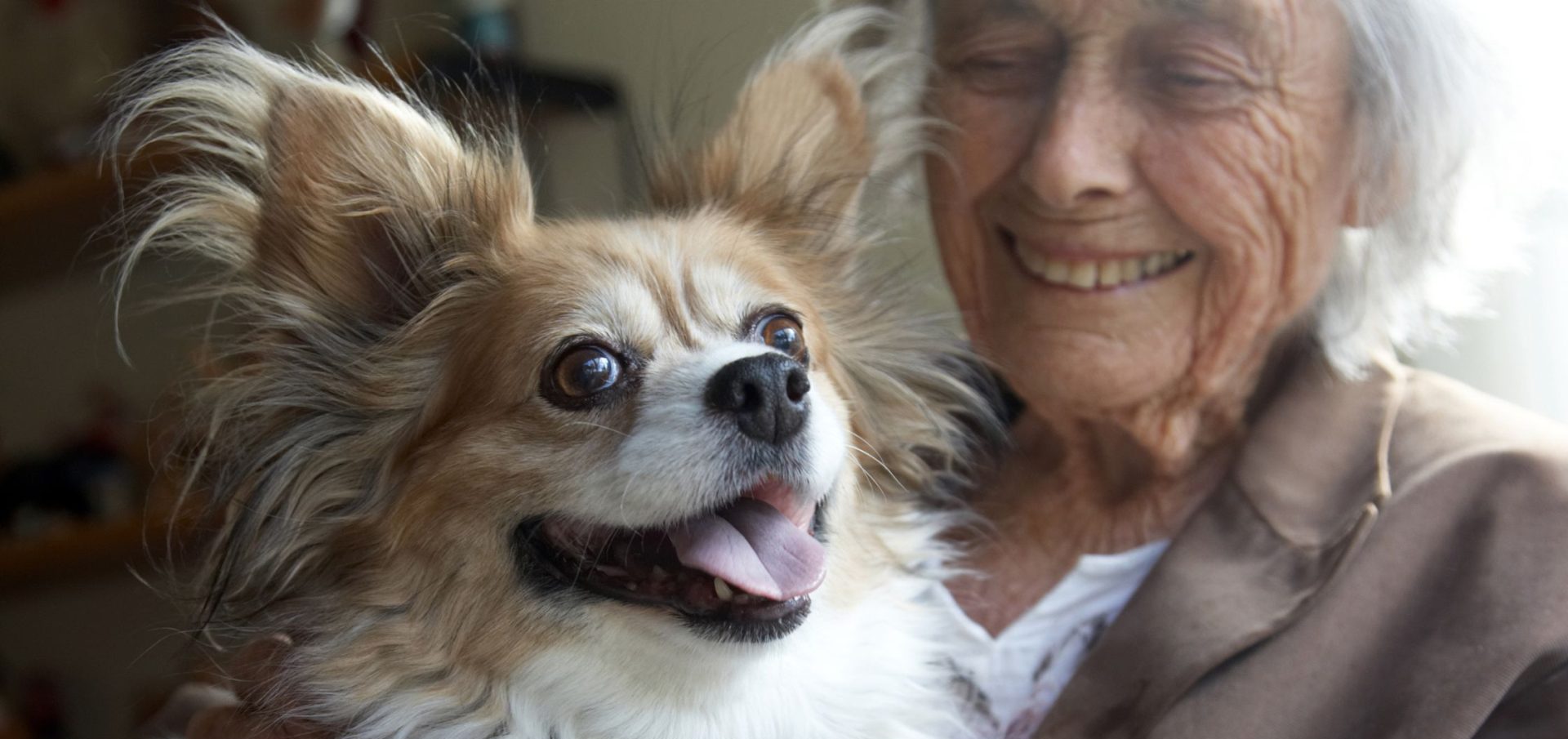
Expert anthrozoologist weighs in on how animals may be the best medicine
We all intuitively know that animals can brighten our days. The interactions we have with our four-legged family members play a surprisingly large role in our mental and physical well-being, but it can be difficult to pin down the science that proves it. Nancy Gee knows this better than most: She’s the head anthrozoologist and director of Virginia Commonwealth University’s Center for Human-Animal Interaction, which studies human-animal relationships.
Gee started out in cognitive and neural sciences, but when she began taking her registered therapy dogs into places like nursing homes and schools, she says, she noticed things.
“It started out kind of anecdotal,” she says. “Like, oh, that seems to make a difference, or that brightened their day … and I saw some really neat things that made me as a scientist say, you know, I’ve got to do research on this. I really need to figure out if there’s something real here, or if it is just heartwarming.”
Measuring the positive impacts of pets: therapy animals
As it turns out, it’s not just heartwarming, and Gee has the science to prove it. For example, through her research on the efficacy of Dogs on Call, VCU’s therapy dog program, she’s seen that therapy dogs in hospital visitations reduce anxiety and fear in patients and can reduce the perception of pain, “which is a big deal,” she says, “because if people feel less pain, they require less medication and are easier to treat.”
Gee is also involved in studies to see how therapy animals can impact the release of hormones like cortisol, the “stress hormone” and oxytocin, the “love hormone.” So far, evidence shows that interacting with dogs — even for just a few minutes — can decrease one’s cortisol levels and increase oxytocin. When oxytocin levels go up, executive function tends to increase as well.
“We might have some evidence that dogs make us smarter because executive functioning is related to being smart,” Gee explains. In addition, she says, the animals experience the same positive benefits.
What this means for older adults
Everyone can benefit from interacting with a pet, but Gee’s studies are revealing important impacts that animals can have for older adults in particular. The center’s team has contributed extensively to related literature within peer-reviewed academic journals, including research that shows Dogs on Call’s visits reduce loneliness.
In older adults, loneliness is a big deal. Loneliness can be as bad for our health as smoking 15 cigarettes a day, the U.S. surgeon general wrote in a 2023 report, and it’s considered a bigger public health problem than obesity.
“As you can imagine, older adults are seeing things like diminishing social networks, increasing health problems, and all of those things contribute to greater loneliness,” Gee says. Therapy dogs help isolated seniors become more social because the animals inspire them to engage with other humans, usually by sharing a story of a pet they used to have. 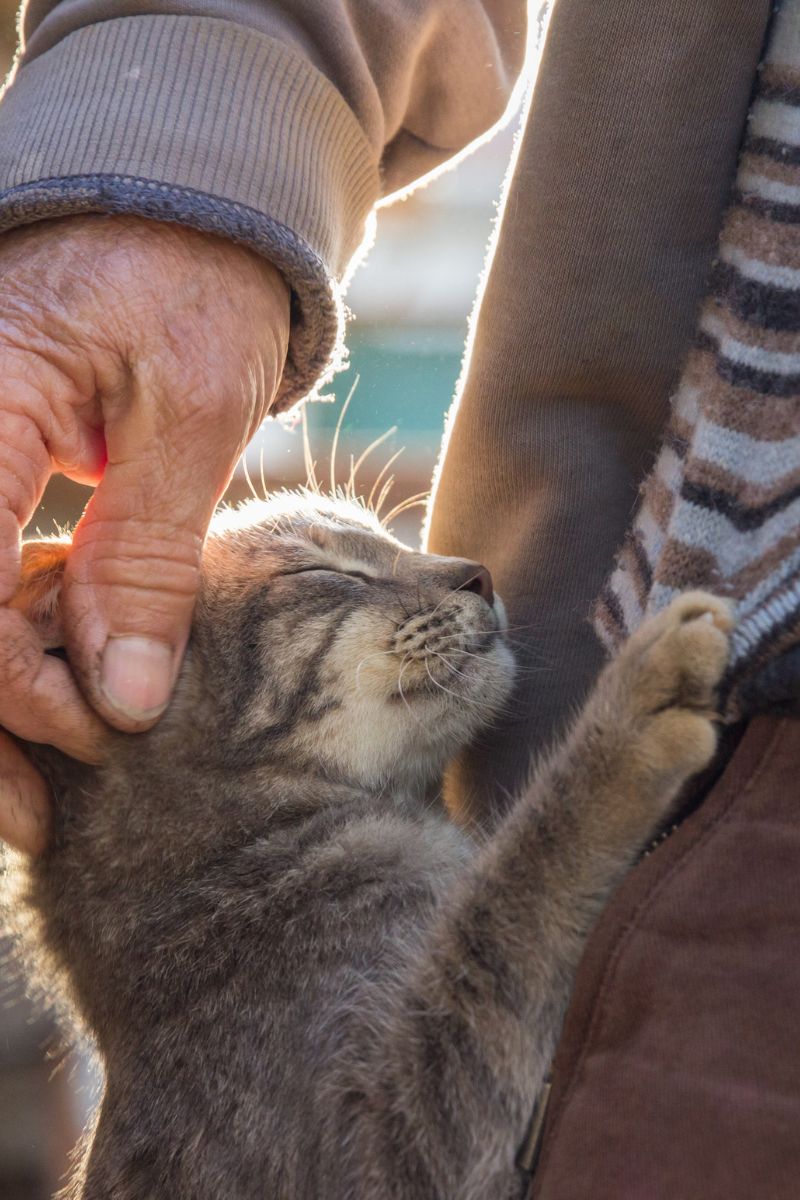
“The dog is there, but now they’re telling you the story [about their own dog] and they’re engaging with you,” she says. The same benefits would be experienced by a dog owner simply taking their dog for a walk and, ideally, interacting with people around them.
Gee says there are a slew of other benefits of pet ownership. Older adults who walk their dogs take more steps and are more likely to meet CDC-recommended physical fitness goals.
“They experience fewer sedentary events during the day,” says Gee. “Sitting is the new smoking, right? We need to get up and move.” There’s also some evidence that people who own a pet experience a reduced risk of falls. And, in some cases, owning a pet can aid in grief recovery for people who’ve lost a spouse.
If you’re not really a dog person, finding the right animal for you and your personal circumstances is key to benefiting from pet ownership. Dogs have an advantage, thanks to years of domestication that have allowed them to develop an impressive ability to read our emotional cues and body language, but even fish can affect our health and well-being. (Gee cited yet another fascinating study about how researchers found that putting an aquarium in the dining area of a nursing home led patients with dementia — who often experience diminished hunger cues — to stay at the table longer and consume more calories.)
Perhaps most importantly, pets give us a sense of purpose. “There’s the basic idea that pets kind of give us this raison d’etre,” Gee says. “They require we sort of follow a daily schedule; the dog needs to go out, it needs to be fed. And so we develop these sort of rituals and these routines around the pet. And that can be really important for older adults, especially.”
Top image by iStockphoto.com/tirc83.