

When you’re choosing between a river cruise and an ocean voyage, it’s not really about the water — it’s about the vibe. Do you want something big and buzzing or laid-back and scenic?
The bigger the ship, the more the ship itself is the destination, say travel advisers and cruise experts. Conversely, smaller ships are more likely to deliver experiences that scale with bite-sized ports and nearby land excursions.
By definition, river ships are smaller: generally, they accommodate up to 200 people, offer a smaller range of cabin sizes, and promise a culture-centric experience. “On a river cruise, you’re seeing the heart of a country. History was created on rivers,” says George Balogh, president of East Greenbush-based Blue Skies Travel.
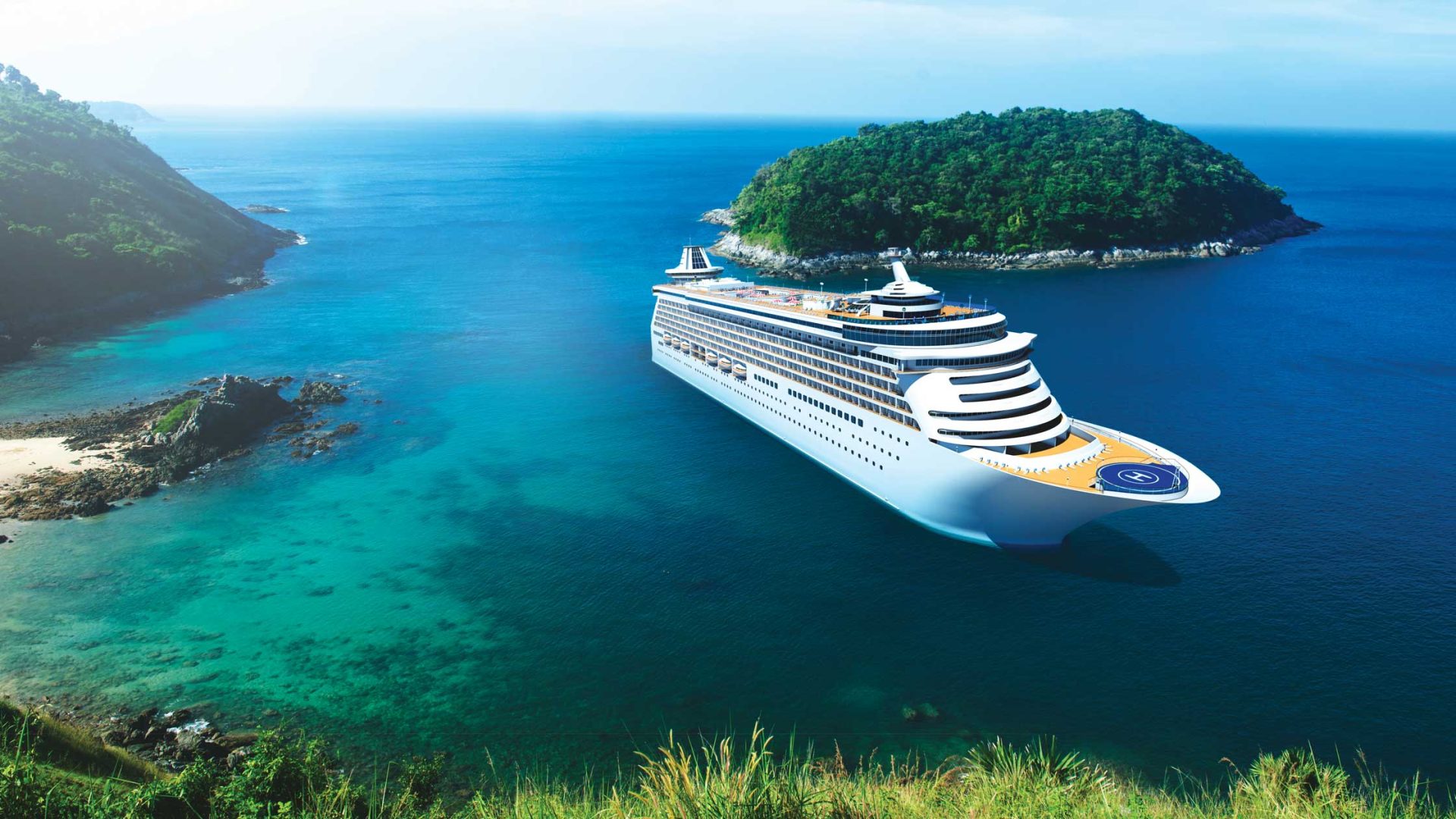
Ocean cruises come in all shapes and sizes — from floating hotels with 3,000 passengers to intimate yachts carrying just a few hundred. Most follow similar routes, since there are only so many deep-water ports, but the experiences couldn’t be more different, says Balogh. Big ships are all about variety — restaurants, shows, endless activities — while smaller vessels trade glitz for charm, slipping into pristine islands and quiet seaside towns the larger liners can’t reach.
At the same time, more small ocean ships are offering relaxed, low-key experiences by visiting off-the-beaten-path ports. Windstar Cruises, for example, favors smaller, less crowded coastal towns where ships dock within walking distance of historic centers, says Jess Peterson, the line’s destination experience director. Huge ships can’t reach places like Haines, Alaska, or Dubrovnik, Croatia—but a 300-passenger vessel can, putting guests just steps from lively streets and scenic views.
River walks and runs
Meanwhile, river cruise companies are always refreshing their itineraries — both on the water and on shore, according to Ellen Bettridge, president and CEO of Uniworld Boutique River Cruises. First-time cruisers often go for the classics: Germany’s festive Christmas markets, April tulips in the Netherlands, or always-popular Amsterdam. But to keep seasoned travelers coming back, cruise lines are getting more creative. In 2026, Uniworld is launching two “mystery cruises” to new destinations, along with a new itinerary that winds through both Italy and Slovenia.
River cruise lines are also expanding their on-shore offerings. According to Viking, 37% of its guests last year added land extensions to their trips — either before or after their cruises. To meet that growing demand, Viking and other lines are offering longer, more immersive overland journeys by train or bus to places like the mountains, wine regions and the uplands of Italy and Spain.
Practicalities
The prism of practicalities can help you narrow down likely options, too, say advisers and operators. The size and interests of your group are factors. If you’re traveling with two to six like-minded friends or family, and you all want to pursue the same excursion itineraries, followed by sedate evenings, a river cruise or small ocean ship might be a great fit.
Conversely, if your group is composed of people whose interests range from casinos to spa days, look for a big ship that offers a wide array of activities. You can meet at dinner (at a different onboard restaurant each night) after a day of indulging in your respective passions.
Multigenerational groups are much more likely to find universal fun on large ships, say travel agents. They frequently cite Royal Caribbean as the go-to line for activities that pull in kids, especially hard-to-please tweens. Big cruise lines also offer special packages that include a day at a private island owned by the company. These shore excursions feel adventurous for kids but are stress-free for parents, since everything stays within the cruise system — from app-based communication to easy onboard account charging for food, gear and souvenirs.
Comfort Matters
If seasickness is a concern, choose a river cruise. River ships stay close to shore, avoid big waves and heavy surf, and offer easy access to medical care and land excursions (though high or low water levels may sometimes require bus travel).
Cabin size affects cost and comfort. For those who value private mornings on a balcony, splurging on a larger cabin makes sense. River cruise company Tauck has found that empty-nesters and young retirees increasingly seek extra space, prompting more suites and expanded cabins on Tauck’s new and renovated ships, says Michelle Molnar, Tauck’s associate director of product for rivers and Europe.
If someone in your group has limited mobility, review a cruise’s accessibility and activities, since shore excursions may not suit everyone — even on larger ships.
Start with the destination, recommends Bettridge. Once you’ve chosen the hemisphere and season, narrow your options by interests — towns, museums, beaches — and match your budget to the cruise length and accommodations. Then, as Bettridge says, you can “choose the style of journey that best suits you.”