

Rooms, Reimagined
Just as our interests, needs and priorities change over the years, so too should our homes. Yet we often update our lives while allowing our homes to remain in the past. Not only can this cost us functional space and lead to clutter, it can also inhibit personal growth by keeping us living in a home that doesn’t suit us as well as it could.
Schenectady-based interior designer and general contractor Marianne A. Clifford of Marianne Ashley Interior Designs asserts, “If your home isn’t functional and making your life easier and more enjoyable, that’s a problem.”
Suo Lien, interior designer and feng shui consultant at The Design Impact, agrees: “Your space represents your life; it’s a reflection of who you are right now. You don’t want it to be a museum of the past, or a reflection of earlier chapters of your life. We’re always moving and growing, and it’s important to think about how you want your home to support you in that.”
A feng shui practitioner who focuses on tapping into the natural energy in a space, Lien maintains that “good design and good feng shui should support an environment that supports who you are becoming.”
While those in their 20s and 30s often struggle with too little space, people in their 50s and beyond often battle inefficient use of space. For instance, many homes have spacious family rooms, home offices or dens on the first floor, yet no bedroom. And, as Clifford sees it, “Not having a first-floor master suite is a major problem.” Whether caring for aging parents, dealing with an unexpected knee replacement or just struggling with stairs, a bedroom on the first floor is essential.
Liz Halvorsen, professional organizer and owner/founder of the Glenmont-based Mess to Bliss, says many of her clients still have “the older four-bedroom colonials with four bedrooms upstairs.” In these cases, she encourages them to look at whether a den or family room might work as a first-floor bedroom.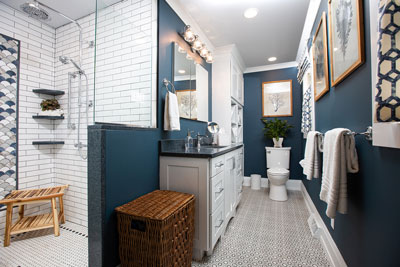
Likewise, a first-floor bathroom is key, but accessibility features often require more space. Clifford says, “When I’m designing bathrooms for people in their 50s and above, still healthy and not retired, I find they’re thinking about the future.” To make space for walk-in or curbless showers, or wider walkways that might be needed later, she recommends borrowing space from lesser-used neighboring rooms, such as an office or closet.
Wasted Spaces
Just as people outgrow dated clothing or bad habits, it’s not uncommon to outgrow rooms that once served an important purpose. Children’s bedrooms or playrooms are high on the list of rooms that may end up as desert wastelands once the kids move out. Home offices may lose their appeal if people retire or return to an outside office. Basements can end up abandoned when steps become challenging, and upstairs rooms may also lose their daily-use appeal as people age.
Likewise, guest rooms may become less useful if guests visit infrequently, and those who have a formal living room, dining room and den may find one of those rooms gets no use, particularly if they no longer cook big meals or entertain less frequently.
Reimagining Little-used Rooms
So what do you do with these wasted spaces? The first step is to look at what spaces are being used inefficiently and consider how they might be reimagined.
“I’ve had a couple people take over a whole room for a closet — including myself,” Clifford says. “A lot of houses don’t give you the storage you want and need, so sometimes you have to get creative.”
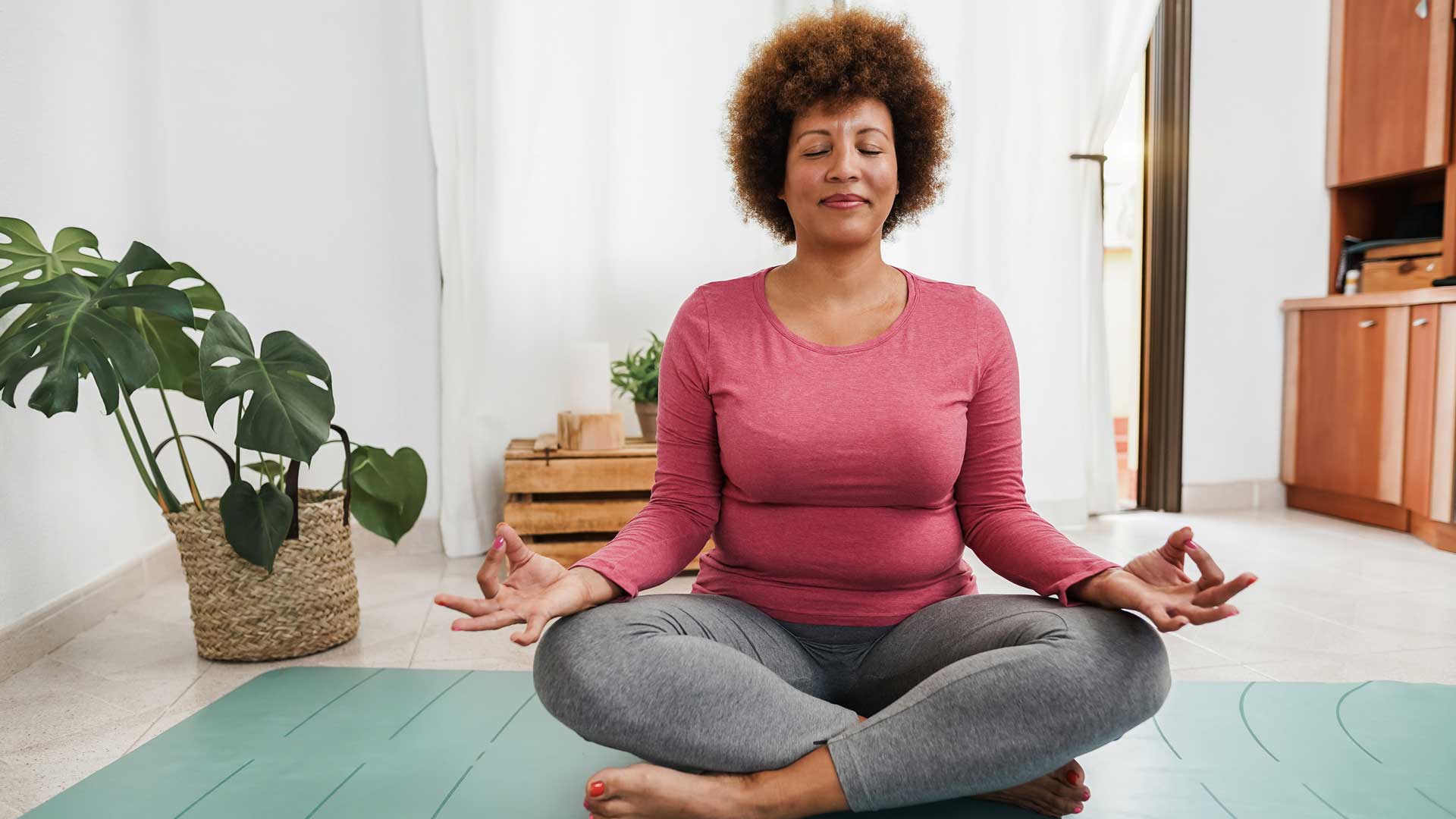
Lien says, “I see a lot of people who have guest rooms that get used five times a year, so I ask, can you turn that into a meditation or reading room?” She adds that for retired couples who aren’t used to being together 24/7, both people are often happier if they have a private space to retreat to. Reassigning little-used rooms can be a great way to give everyone some personal space.
Little-used rooms can also support new hobbies. Halvorsen sees a lot of clients who want a craft room, “a place for scrapbooking, quilting, etc.” She also cites a yoga instructor client who transformed a spare bedroom into a meditation and yoga space.
She says, “Today, you can use AI tools to help visualize the space,” adding that “anyone can upload a picture of the room and then ask Claude, ‘Turn this into a yoga space.’ It gives them an idea of what it could look like, which motivates them to do the work.”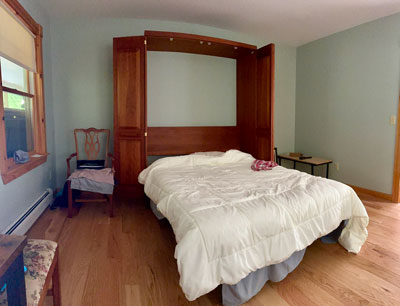
Combination Spaces
Many larger rooms may serve a functional purpose, yet still be space-inefficient. For these, a multipurpose makeover might make more sense, whether creating a combination laundry room and mudroom or incorporating toy storage for grandkids into a den or family room.
Halvorsen says that adding books, wall sconces and a comfy sitting area to a home office can allow that room to function as a library and lounge area, while still keeping the desk for office tasks. And, for those who want a room for grandkid sleepovers, futons or Murphy beds can keep the room multifunctional.
Renting Your Extra Space
Unused space that serves no real purpose can also act as an extra source of income. With homeowners who no longer drive, a garage can be rented to someone who needs workshop space, parking or storage for a custom car.
There are also unique platforms like JoeyCo that match older adults who have spare bedrooms with university students who need affordable housing. The student pays a reduced rent in exchange for a set number of hours of daily help. For some older adults, this can be a practical answer to what to do with an empty room while also getting help with chores.