

“Making your way in the world today
Takes everything you’ve got.
Taking a break from all your worries
Sure would help a lot.
Wouldn’t you like to get away?
[…]
Sometimes you wanna go
Where everybody knows your name.
And they’re always glad you came.
You wanna be where you can see
Our troubles are all the same.
You wanna be where everybody knows your name.”
— Cheers theme song, by Gary Portnoy and Judy Hart Angelo
The TV show Cheers has been off the air since 1993, and one could make the argument that the early 90s era was around the time our world started to become the fragmented, polarized place that it is today. Whether it was the advent of new technologies that superficially connect us to the larger world through our fingertips, or some depressing side effect of a “me, me, me” global mindset, we have lost so many of those places where we could arrive — unannounced and unscheduled — and be warmly welcomed by name. 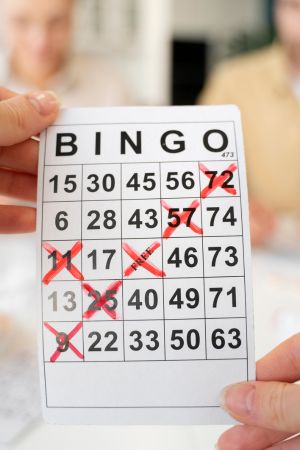
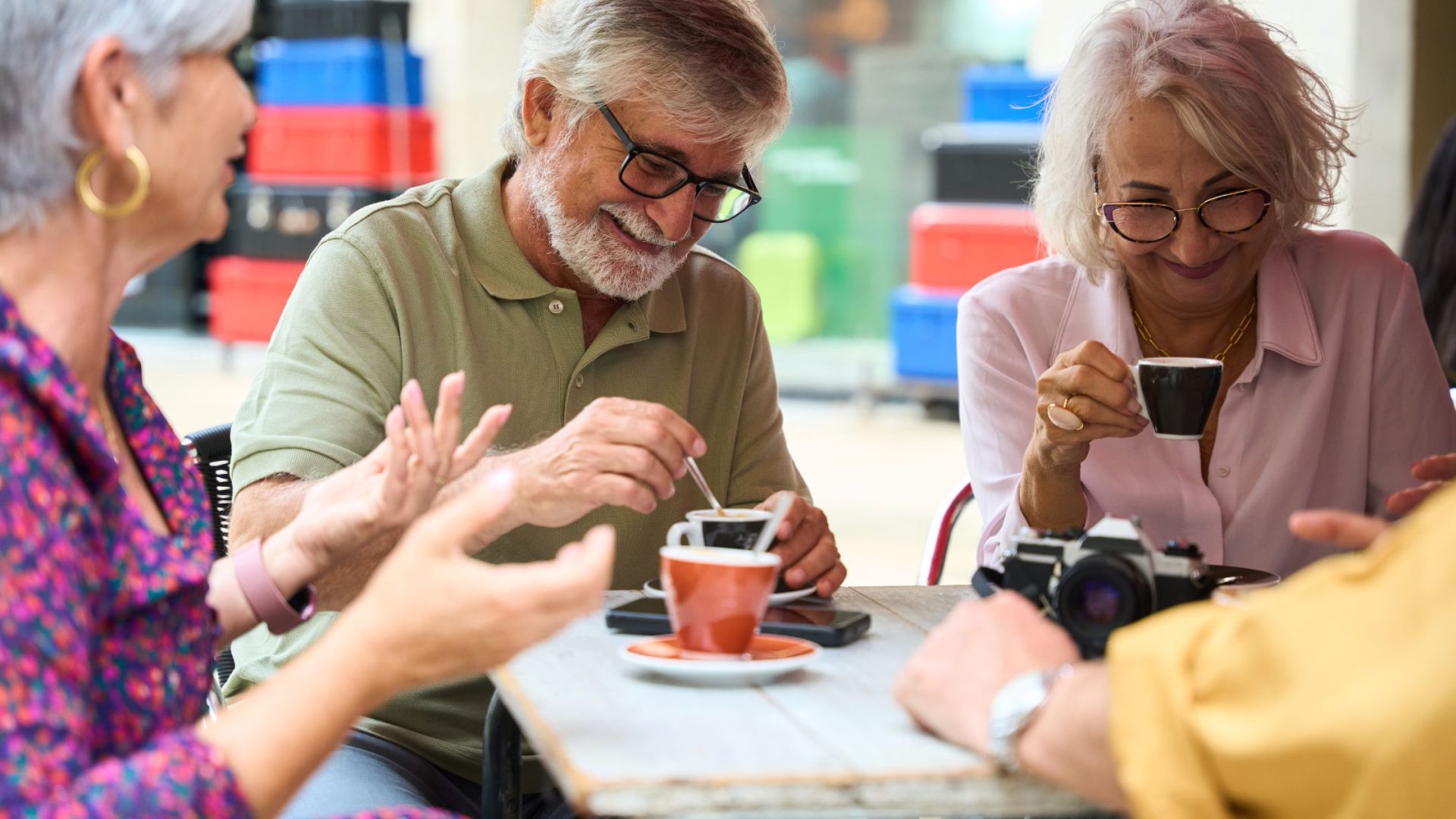
These places, called “third places,” have historically been the center of public life, fostering human connection and providing a common good. In Cheers, it was a pub, but third places have been libraries, taverns, lounges, general stores, coffee shops (in fact, previous Starbucks CEO Howard Schultz was inspired by the concept, and originally modeled the chain’s locations with the theory in mind), bingo halls and recreation centers, to name a few.
As we age, third places become increasingly vital for our well-being. After retirement, there are fewer and fewer automatic socializing opportunities built into your daily schedule. Friends may be moving away (or passing on), children are busy with their own families, and it’s all too easy to become isolated. If you can’t immediately name a local establishment that you attend where there is little to no financial barrier to entry and where conversation is the primary activity, then maybe you’re in need of a third place yourself. Here’s what you should know.
What Is a Third Place?
Sociologist Ray Oldenburg coined the term “third places” in 1989 in his book The Great Good Place, defining them as “a great variety of public places that host the regular, voluntary, informal, and happily anticipated gatherings of individuals beyond the realms of home and work.”
Home and work, he explains, are where people may spend most of their waking time, but third places are crucial for healthy social engagement. They are the anchors of community life, where an individual can put aside their concerns and simply enjoy the company around them.
Oldenburg further identified three key characteristics of third places:
- They are on neutral ground, and therefore promote social equity by leveling the status of guests;
- The main activity is conversation and the mood is playful; and
- Strangers are welcome, but these places also feature regulars who feel a piece of themselves rooted in the space. The patrons all enjoy the same feelings of warmth, possession, and belonging as they would in their own homes.
Particularly if you live in the suburbs, you might have noticed that places that fit that criteria have mostly gone the way of the dodo.
Third Places are Disappearing
Findings from the 2024 American Social Capital Survey revealed that our social and civic life has declined by “every conceivable measure since the mid-20th century.” The survey found that today’s Americans have fewer civic opportunities — that is, places, institutions, groups, programs and activities in which they can experience community life — and we are participating in those opportunities that remain less frequently.
Oldenburg predicted this phenomenon. In his book — which, may we remind you, he penned over 30 years ago — he wrote, “In the absence of informal public life, living becomes more expensive. Where the means and facilities for relaxation and leisure are not publicly shared, they become the objects of private ownership and consumption.” That might ring a bell if you’ve recently wanted to treat yourself to a spa day, attend a professional sports game, or even just watch a movie in the theaters. Amenities like these have become prohibitively expensive for many people, further reducing our ability to connect with our neighbors and increasing the divide between those of different economic status.

Even high school sports — which used to be an event the whole community could easily support — have put up barriers that make it difficult for community members to attend. My nephew’s high school basketball games at the local public school, for example, cost $5 per person to attend. You have to pay via a specific app (no cash!), which would exclude anyone who either can’t afford a smartphone or has difficulty navigating technology. Five dollars isn’t a ton of money, but if you’re a mom of three, it costs $20 per game for the family to cheer on their own kid, and that’s on top of the fees paid in order to play on the team to begin with. Not only does this limit who can afford to play on the team, but it greatly diminishes the community’s ability (and willingness) to support their local team.
Why We Need to Save Them
The diminishing ability for people to easily interact with their neighbors on a meaningful level is one reason former Surgeon General Vivek Murthy declared that the U.S. was facing a loneliness epidemic in 2023. In a society in which many people are striving for longevity, you would think this crisis would be a top priority.
Researchers have found that in addition to regular exercise and a nutritious diet, strong social connections are a foundational aspect of living a longer, healthier life. Blue zones — those isolated areas scattered across the globe in which people are commonly living 100+ healthy years — have demonstrated that people regularly live longer if they have built-in third places like churches, town squares, local cafes and walkable villages.
In addition to having very real, very tangible health consequences, “a world made up of atomized, physically isolated people is a world without a true shared reality — which is a recipe for civic disengagement, misinformation, and perhaps even political extremism,” writes Allie Conti in her article on third places in The Atlantic.
Investing time and energy into creating third places for ourselves and others to enjoy can universally benefit everyone. It’s not just about having a place where adults can go to unwind (although many third places offer just that); by providing a place for people of all ages to actively participate in “unproductive” socialization, we can break down many of the social and economic barriers we struggle against, including ageism.
Find (or Build) Your Own
In an article for NextAvenue, Jackson Rainer gave a few examples of the way people have been building their own third places. From a group of friends who regularly meet and invite newcomers to enjoy informal social gatherings at a local cafeteria’s banquet hall, to churches that make it a point to host nonreligious events, third places don’t have to be formal establishments.
On Friday evenings when the weather is mild, my cul-de-sac is often a place where drinks, food and good company are shared between neighbors and friends. It started as a way for tired moms to relax while their kids ran mostly feral together in a safe space, and evolved into a neighborhood-wide open invite, where people arrive dragging wagons filled with snacks, beverages and folding chairs. The attendees vary — particularly since we have a lot of military families that come and go — but our get-togethers look much the same, and they’ve been pivotal to meeting and befriending many neighbors we’d otherwise never know.
Desiring to have this kind of community herself, my sister-in-law recently wrote a heartfelt letter containing her intentions and put a copy into her neighbors’ mailboxes. She was overwhelmed with the response she got: young moms wishing for a “village” to raise their kids, retirees who miss seeing roving gangs of youth causing benign trouble, and other people who eagerly looked forward to developing community bonds. To her surprise, starting a third place was as simple as reaching out.
As a next-best option, some medical professionals have started social prescribing, which is when a doctor “prescribes” a patient to get involved in some form of social activity for the sake of their mental and physical health. Although many social prescriptions are for groups that have some kind of stated purpose (like biking or running clubs, or helping a charitable cause) and are therefore disqualified from being true third places, they offer the opportunity to establish one through those connections.