

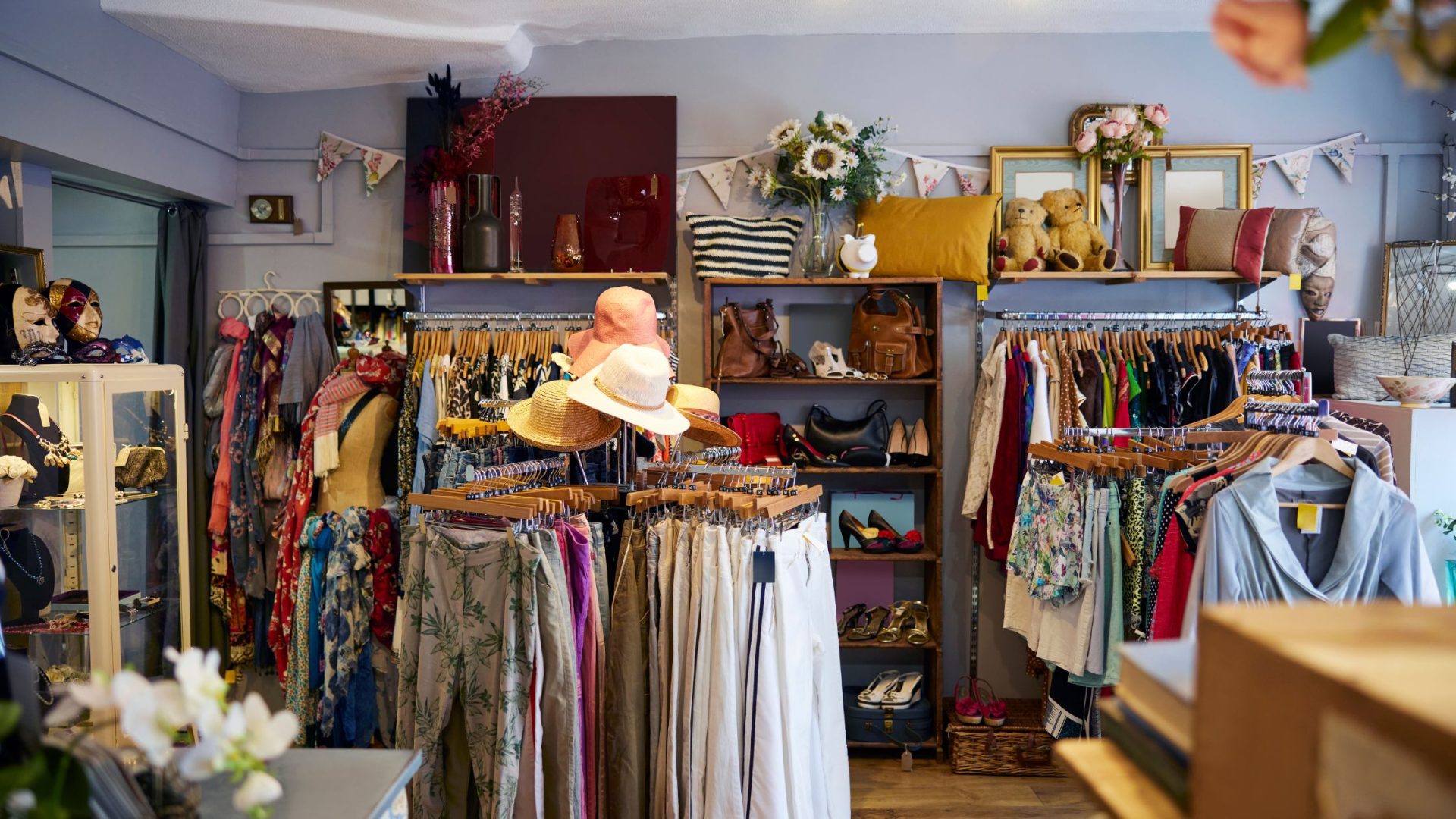
Thrifting can be an exciting way to save money, support your local community and discover some unbelievable finds. Shopping at thrift stores also helps to reduce waste, because you’re rescuing items that would’ve otherwise ended up in a landfill. You’re supporting sustainable systems and helping combat harmful industry practices like fast fashion.
Getting the most out of thrift shopping, though, takes time, patience and a little bit of insider know-how. Here are some tips to get you started.
Before You Shop
Where You Thrift Matters: Not all thrift stores are created equal. Some may have a better selection than others, some may be cleaner or more organized, and pricing can vary as well. It’s a good idea to do a quick search online to see what other people have said about your local stores. You can read reviews on Yelp, or check out the store’s social media pages.
While you’re searching, you might also want to consider the fact that many thrift stores are run by nonprofit organizations or small business owners. This not only affects what they sell (for example, someone keeps donating high-end designer labels to one secondhand store near me that is run by a local church) but you might pick one store over another if you’re interested in supporting a certain cause.
Finally: location, location, location. Local thrift stores are dependent upon what the people who live there are donating, so it follows that wealthier neighborhoods may have more high-end, quality items.
Be Wary of Overconsumption: Thrift shopping can be addictive; I was never someone who shopped “for fun” until I started haunting my local Goodwill stores. The combination of low prices and the thrill of finding a diamond in the rough can really grow on you. But if you’re not careful, it can also lead to your house looking as if it should be featured on the next episode of Hoarders. To combat overconsumption:
- Sell or donate before you buy. Selling or donating old clothes, books, furniture, cookware or children’s toys can be a great way to fund your shopping spree, and it clears space for any new purchases.
- When you’re shopping, be sure to ask yourself: “Will I really wear this? Can I see myself using this item? Does it go with other items in my home or closet that I already own?”
When to Shop
Go Early and Often: One of my best girlfriends and I have a standing “Thrifty Thursday” date, where we meet for lunch and then peruse our favorite thrifting spots while we chat and giggle at the funny items we discover. As it turns out, we’ve been doing it all wrong. Thrifting experts suggest shopping right when the store opens — especially early in the week after people have unloaded items over the weekend — to get the best finds. That way you will ensure that you get first dibs, and you’re not just poking through picked-over goods.
Shop Offseason: Many people donate clothing at the end of a season. And, because shoppers are less likely to buy shorts in December, for example, items like these may be offered at further discounted prices.
The best time of year to thrift is usually in the spring or after big holidays. Many people choose to declutter and donate during their time off — so it’s the perfect time to make the most of their hard work!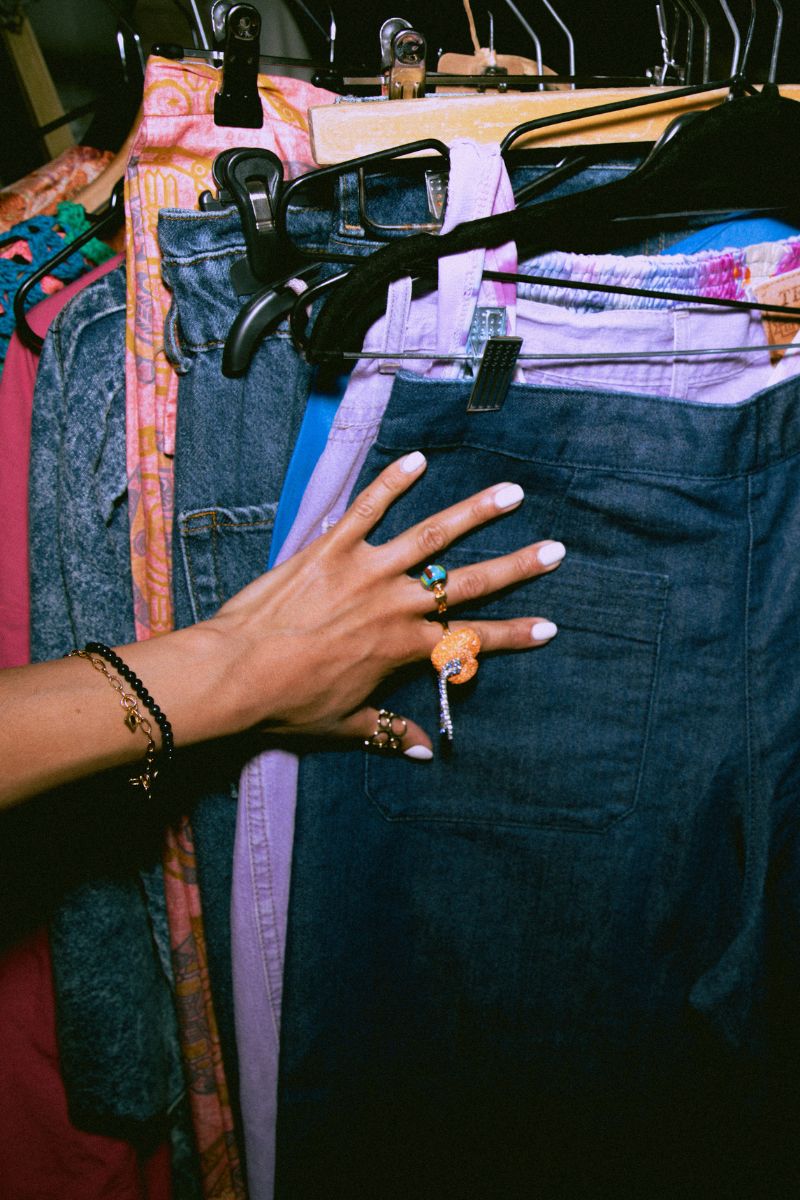
At the Store
If you’ve never thrifted before, walking into a Goodwill or GreatFinds, the women’s thrift boutique run by Equinox in Albany, can feel overwhelming. It helps to get yourself into a thrifting mindset: Are you looking for something in particular, or just hoping for a fun discovery?
If you’re looking for something, stay flexible. For example, it can be helpful to have a mission, like finding a denim jacket, but if you get too specific — like a pink denim jacket with floral decals — you’re going to strike out. On the other hand, sometimes it’s best to just have a completely open mind. My favorite way to thrift is to explore and let the items find you.
Beyond that, here are a few tips and tricks for finding great stuff and getting the best deals:
Shopping Tactics
- If you’re short on time, try the “go-back rack” located by the dressing rooms (if there are any) or the cashier. Many times, what’s there is good stuff that someone else found and rejected only because it didn’t fit, so you can take advantage of their efforts.
- Ask about any current discounts or promotions. Some stores may have discount days, such as a day of the week when seniors’ purchases have an additional percentage taken off. Goodwill stores have a running system where all items with a certain color tag are offered at an additional percentage off the price.
- Wear clothing that will facilitate trying things on. Some thrift stores don’t have dressing rooms, so it helps if you wear layered clothing like leggings so you can discreetly try things on in the aisles.
- Inspect items carefully for quality. Look for stains, damage, ripped seams, or nicks and scratches. Make sure furniture isn’t wobbly or water-damaged.
- Look high and low. People put things back in weird places, and people who are just casually browsing tend to stick to things at eye level.
- Keep Google handy. If you’re not super-knowledgeable about brand marks, take the time to look something up if you think it might be worth something.
Top image by Daisy-Daisy from Getty Images, via Canva.com.