

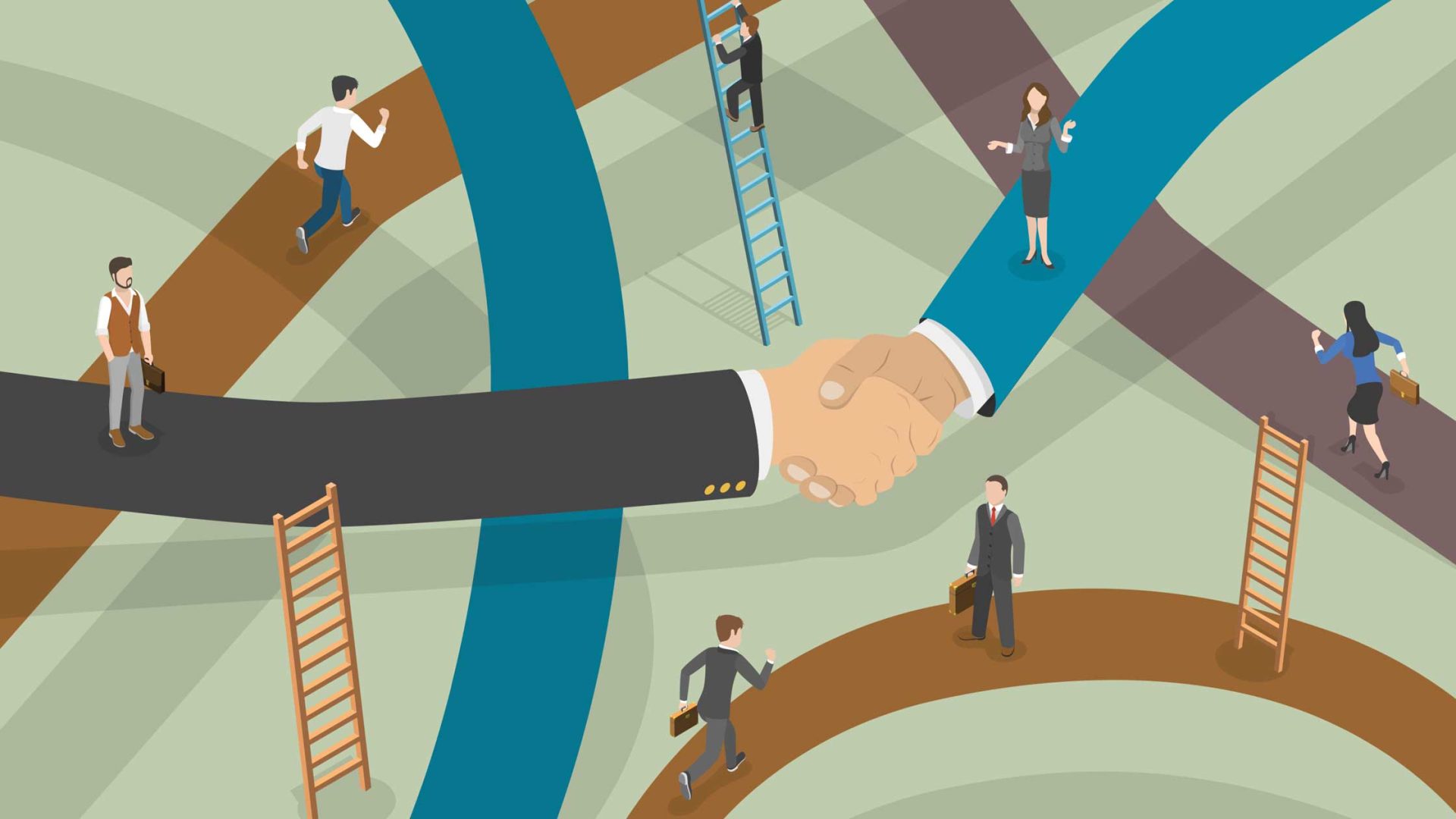
The Enduring Promise of “We”: Unsung Grassroots Organizations are Chipping Away at “Us-Versus-Them” Thinking
At a time when national headlines can make it feel as if our country is more divided than ever, the good news is that the Capital Region is home to a mosaic of grassroots groups working to bring people together. On neighborhood streets, inside local community centers and around kitchen tables, unlikely allies are gathering to share ideas and cultivate real solutions.
The missions of these groups may vary, but they share a common belief that communities grow stronger when people from all walks of life feel connected, supported and seen. The stories here highlight just a few of these organizations and their volunteers — and the ways they are creating a more compassionate, cohesive Capital Region, one conversation at a time.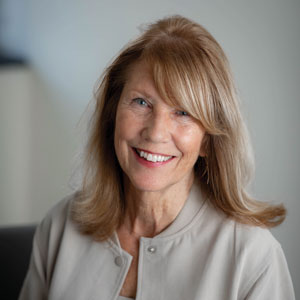
At Albany’s International Center of the Capital Region, for instance, the work is centered on one simple idea, says Executive Director Beth Wales: “to bridge the gap between our local community and the wider world by bringing international visitors into classrooms, connecting students with emerging global leaders, and creating spaces where neighbors can engage across cultures.”
The work, she says, helps people realize that understanding the global picture is not an abstract concept — “it’s personal, local and deeply relevant to our daily lives.” Fostering these connections, she says, means creating spaces where people from different backgrounds, generations and cultures can meet and learn from one another and form real human connections.
Those connections happen, she says, when a student speaks with an international diplomat for the first time, when neighbors share food from another culture, when volunteers open their doors to host international visitors, or when educators, business leaders and global speakers sit down for conversation. “For us, community is not just about proximity,” Wales says. “It’s about shared curiosity, mutual respect and a sense of belonging in a diverse and interconnected world.”
While the International Center is about nourishing global connection, at Capital Roots, the work is about nourishing the community. The Troy-based nonprofit provides fresh food and green spaces for gardens, among other things.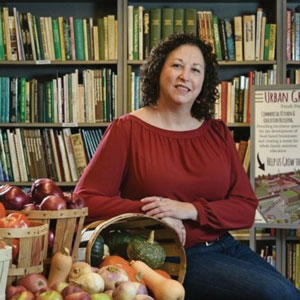
“We work to ensure that everyone, regardless of ZIP code, age or income, has the opportunity to eat well and live healthier lives,” says Amy Klein, Capital Roots CEO. “Too many families in our region live in communities where high-quality produce is scarce or unaffordable.”
Building community means creating spaces and systems where people can grow and share food, says Klein. The organization offers local brick-and-mortar and mobile markets, an incubator kitchen, events and resources, gardens and more. “Community is built every time someone feels seen, supported and connected through food,” she says.
Capital Roots has brought together farmers, volunteers, seniors, families, students, policymakers, donors and neighbors from every background, delivering more than 500,000 pounds of fresh food to the region’s most vulnerable residents in 2025, she adds.
“Our events, like Spring Brunch and Autumn Evening, are often an opportunity to share a table and meal with someone from a different walk of life,” she says. “Through good food, we create spaces where people who might never meet discover common purpose, shared values and respect.”
That same belief in the power of connection and shared dignity also guides the work of Albany-based IPH, which provides services and housing for the region’s homeless and low-income communities.
“Meeting people where they are and creating spaces where everyone is treated with dignity, can access essential resources and feels like they belong,” is at the heart of IPH’s mission, says CEO Janine Robitaille. “It’s about fostering trust and connection, because when people feel supported, they’re able to take the next step toward stability and reach their goals.
“When people come to our doors, it’s often during one of the most challenging moments in their lives,” Robitaille adds. “IPH is able to offer a safe space, steady support and genuine connection that helps people reconnect with themselves, identify their goals and find permanent housing.”
That impact might look like helping a shelter guest secure a new ID so they can apply for a job or an apartment, connecting someone with a primary-care provider after years without health care, or supporting a neighbor as they move from a shelter into a home of their own.
“Sometimes it’s simply offering a listening ear on a particularly hard day,” Robitaille adds. “All of these moments matter, and together they share the tremendous difference compassionate, person-centered care can make.”
That same focus on meeting people where they are continues at the SEAT Center (Social Enterprise and Training) in Schenectady, which helps bridge the gap between young people looking for work but lacking skills, training and job experience, and companies seeking employees. SEAT provides education, hands-on training, internships, support services and leadership development that lead to good-paying jobs, long-term careers and a kind of stability participants may not have had otherwise, says founder and CEO Jennifer Lawrence.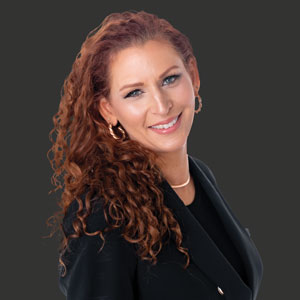
“We see countless young people come to us because they were not successful in traditional school or because they faced a life obstacle at an early age,” says Lawrence. “Often, they feel out of hope and out of options.”
Within months, through the community they find at SEAT, Lawrence says their sense of hope skyrockets. They begin to dream, they gain confidence, they build a resume of skills, and they meet a network of like-minded people and community leaders who can propel them into life.
“This sort of community network creates a safety net for SEAT’s students, so that they can find success,” says Lawrence. “Our graduates are now working in industries across the Capital Region: construction, energy, hospitality and media.”
Fostering meaningful connections like these, she says, means that everyone has a seat at the table.
“It means that we need everyone to accomplish a goal bigger than any one of us. It is bringing a diverse group of supporters, leaders and volunteers together with disenfranchised young people — all who have something to give to each other. It is walking our paths alongside one another and recognizing the contributions we can make to young people and that they, in turn, have so much to give and deposit back into our lives.”
For organizations like these, the focus is on connection and recognizing the value of our differences.
“People change when they meet one another,” agrees Wales. “That is what building community truly means.”
Read More:
- How Purpose-Driven Living is Powering the Golden Years
- Finding Your Life’s Next Great Adventure in Retirement
- The Age of Possibility