

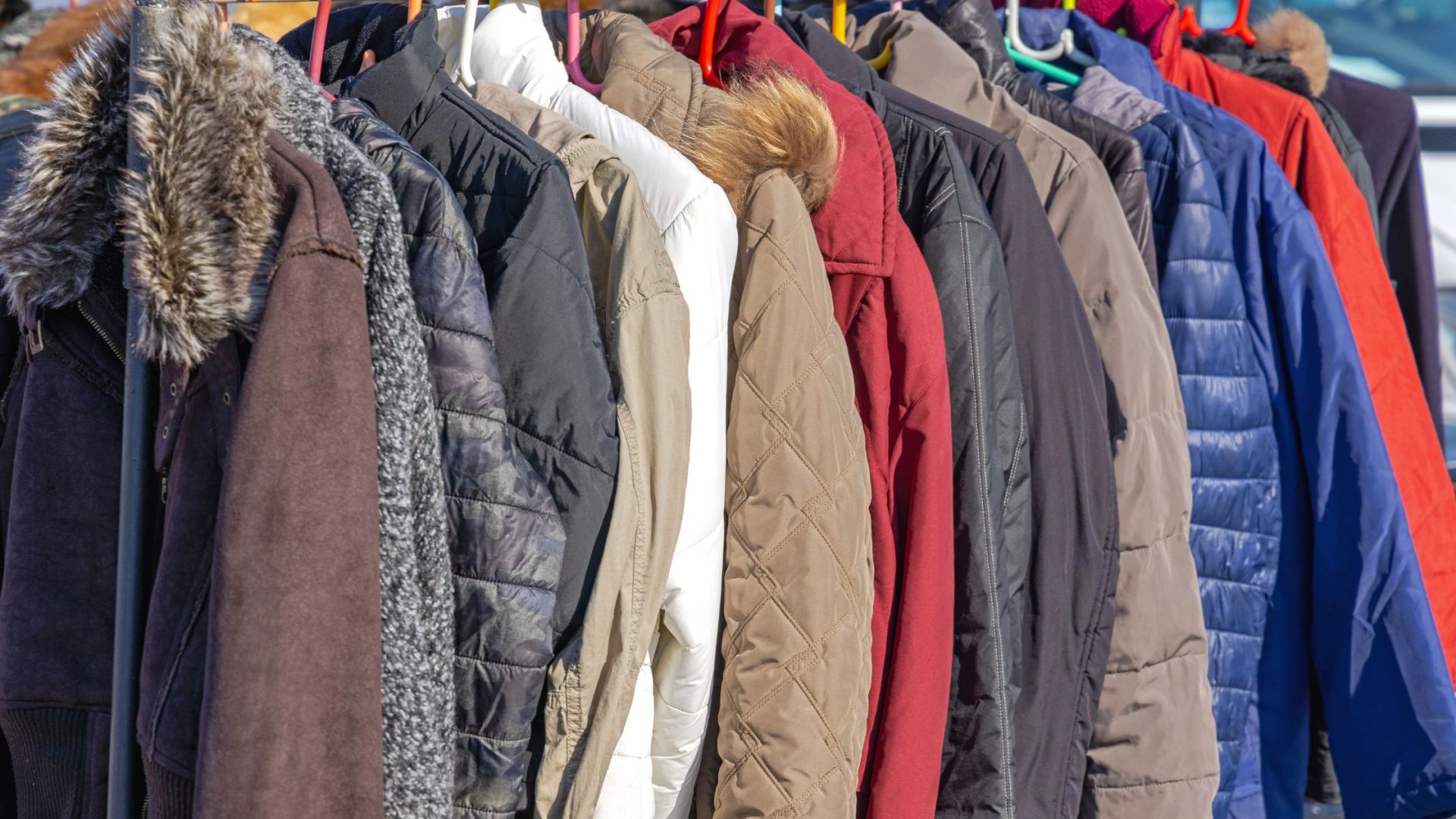
If you’re in the market for a new winter coat, you probably already have a good idea of what you’re looking for. After all, you’ve been keeping yourself warm for this long, right? But you might want to ask yourself if what you’re used to wearing is actually the best winter coat for your specific needs. Different fabric materials offer different benefits in terms of warmth, durability and water resistance — which in turn make all the difference in the world in terms of comfort. So, here’s a refresher on what to consider for your perfect winter coat.
Fabric and Insulation Properties
First thing to think about is how you’ll be using the coat (or perhaps coats, once you consider this). Will you be shoveling the driveway or walking the dog, battling wind and snow and wet conditions? Or are you looking for something to keep you warm without feeling too bulky while you drive to work every morning? These factors will impact whether you’re going to need a heavily insulated, water- and windproof outer layer, or whether you can consider something a little more stylish.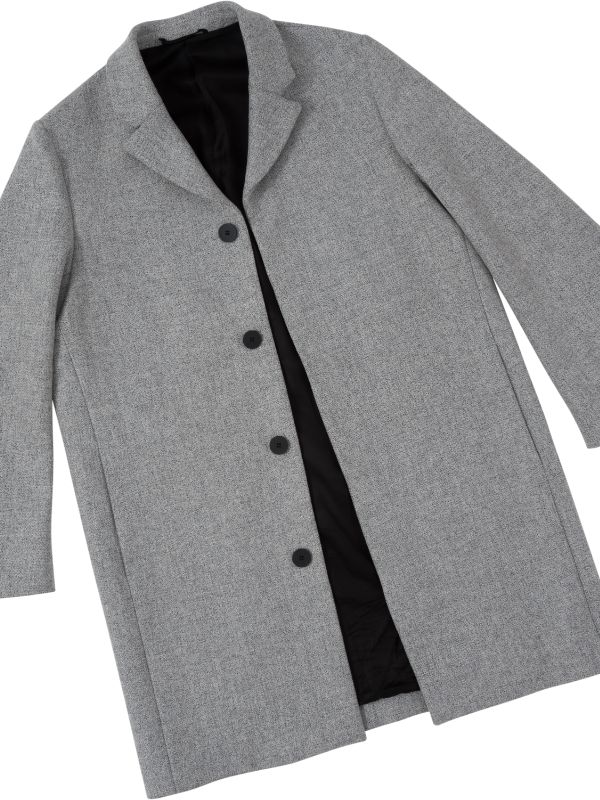
Wool: When you think of a classic winter coat, the first fabric that likely comes to mind is wool. It’s warm, lightweight and incredibly durable. Wool naturally wicks away moisture and traps body heat, making it an obvious choice for winter wear. It’s also, unfortunately, kind of itchy. In an effort to minimize the itch factor (and reduce cost) many manufacturers will blend wool with other synthetic fibers like nylon and spandex. This may make it more comfortable, but it can reduce how much heat the fabric can retain, so be sure to check the labels for the composition percentages.
Faux Fur: Faux fur feels great and is mostly a good bet, although the heat retention will really depend on the quality and thickness of the inner lining. Typically made from synthetic materials like acrylic and other polymers, it’s going to be far cheaper, easier to maintain and more ethical than the real thing — and it should definitely keep you nice and toasty.
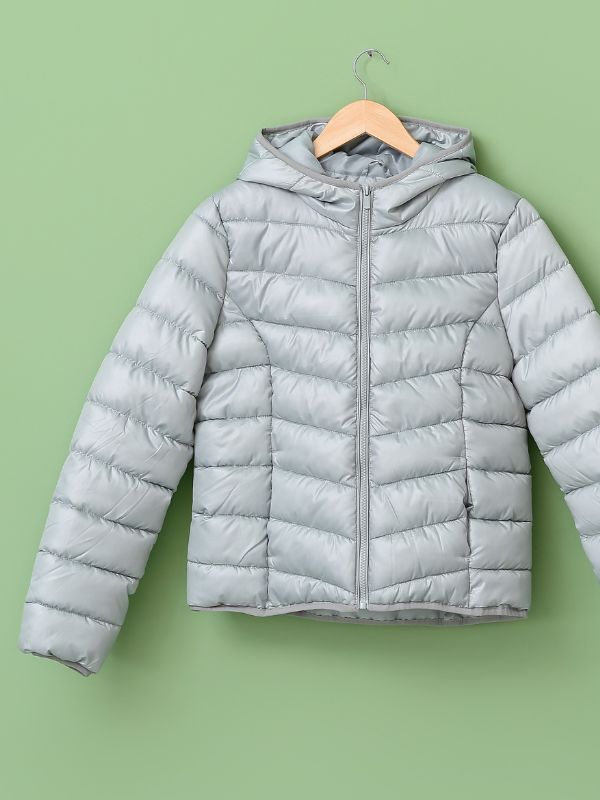
Nylon: Nylon is the synthetic, tightly woven material used to make those “puffer jackets” that seemingly everyone has these days. On its own, nylon doesn’t hold much heat, although if you opt for the kind made with Gore-Tex, it will provide protection against wind and water and add durability. When it comes to puffer jackets, the insulation is really what matters. Natural down, made from duck or goose feathers, will be the warmest and lightest material while retaining breathability. Synthetic down isn’t as warm and tends to add bulk, although it has the added bonus of being more water-repellent (and less expensive). The second factor to look at is the down “fill power.” It will range between 500 and 900; the higher the number, the better the insulation. A third material used for puffer insulation is something called PrimaLoft, which is made of ultrafine fibers measured in grams per square meter (usually between 600 and 100 grams is the norm).
Hemp: Before you scoff and call us “aging hippies,” hear us out: Hemp fibers are excellent insulators, making hemp a sustainable, cruelty-free, eco-friendly and warm option. Hemp also has natural antibacterial and antimicrobial properties, which prevent odor and make it a good choice for people with sensitive skin. Unfortunately, you’ll be hard-pressed to find a lot of heavy-duty outerwear made out of this versatile plant, but REI and Patagonia have some excellent layering options available.
Fleece: Hugely popular for its warmth and touchable softness, fleece is best reserved for layering or for those transition days when it’s just a tad chilly but not cold enough to break out the big guns. It’s lightweight, breathable and quick-drying, which makes it an excellent mid-layer or liner. But be forewarned: On its own, the wind will go right through it.
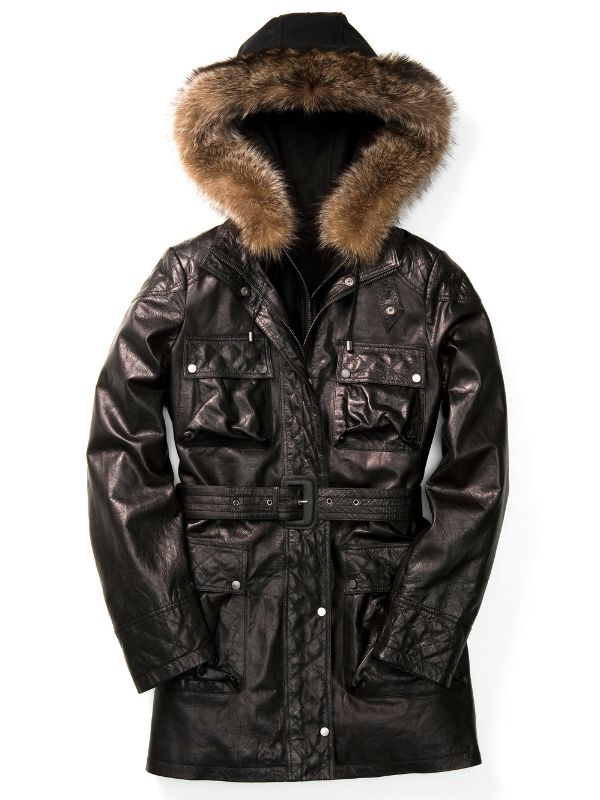
Leather/Faux Leather: Like fur, real leather has stood the test of time as winter wear because it works. It’s durable, warm and can be treated to make it mostly water-resistant. However, it’s expensive, and then there’s the whole ethical consideration. Faux leather, or polyurethane, is an attractive alternative. It’s not as warm as the real thing, but it’s lightweight and breathable, providing reliable protection against rain and snow. Faux leather isn’t ideal for wintery conditions — at least not in New England or upstate New York — but it is a stylish warm option for commuters.
Features to Look For
Length: If you hate being cold, look for a full-length coat. Having a jacket that covers your bottom when you sit down (and doesn’t allow a blast of cold air up your backside if you bend over) makes a huge difference if you’re spending any amount of time outside.
Hood: Although the old adage that you lose most of your body heat through your head is false, having a hood to help retain the heat from your neck and head can help immensely when it comes to staying warm, especially if the wind is blowing. And, if your hood has a thick rim, like the faux-fur ones that line many of the parkas today, it can help keep your face warm as well.
Quality Zippers: It may seem like common sense, but the quality of a zipper can really make or break a good winter coat. It should be durable, waterproof, easy to manipulate (even while wearing gloves, ideally) and operate from both the top and the bottom.
Drawstrings: Insulators can only retain your precious body heat if there isn’t another way for the air to escape. Drawstrings around the wrists, hood and waistline (or around the bottom) enable you to pull them tight when needed. It’s also a good idea to check the label to see if the coat is “fully seam-sealed” to protect against moisture. If it says “critically seam-sealed,” that means only certain areas like the shoulders and back will be sealed at the seams.
Top image source: Baloncici from Getty Images, via Canva.com.